
Bingo halls have long been a cornerstone of community engagement and social interaction, with a rich history spanning back to the Great Depression and World War II. These venues have evolved over time, reflecting changes in society and technology. Today, managing a bingo hall successfully requires more than just organizing games; it demands efficient software solutions to navigate complex regulatory landscapes, track player data, and enhance overall experience.
The rise of digital management software is revolutionizing the bingo hall industry, addressing the operational challenges faced by a sector steeped in tradition. By embracing technology, bingo hall operators can streamline processes, boost player retention, and preserve the vibrant culture that has captivated communities for generations. In this deep dive, we explore how management software is reshaping the future of bingo hall history & culture.
- Understanding Bingo Hall Management: Past and Present
- Software Evolution in the Bingo Hall Industry
- Key Features: Efficient Bingo Hall Operations
- Integrating History & Culture: Community Engagement
- Best Practices for Successful Bingo Hall Software Implementation
Understanding Bingo Hall Management: Past and Present

Bingo halls have long been a cornerstone of community life, evolving alongside the social and cultural landscapes of their respective regions. Understanding the history of bingo hall management is crucial for operators aiming to provide a top-rated bingo hall experience today. From their humble beginnings during challenging economic periods, such as the Great Depression and World War II, bingo halls have transformed into vibrant venues offering more than just games. They have become cultural hubs, reflecting the unique personalities and themes of their local communities.
The management of these establishments has also evolved significantly. In the past, bingo hall operations were often governed by strict gaming laws and licensing requirements enforced by state gaming commissions. This was particularly evident in the Art Deco-inspired halls of yesteryear, where every detail, from call numbers to dauber pens, contributed to a distinct atmosphere. Today, successful bingo hall management requires a deep understanding of both historical and contemporary cultural influences. Operators must curate experiences that cater to a diverse range of players, from traditionalists who remember the early days of bingo to younger patrons who appreciate niche themes and modern amenities.
Licensed bingo hall hosts can create immersive environments by incorporating elements from popular culture or specific community interests. This strategy not only attracts a broader audience but also fosters a sense of belonging and loyalty. By recognizing and respecting the rich bingo hall history & culture, operators can ensure their venues remain vibrant and relevant, providing memorable experiences for players of all ages and backgrounds. Practical steps include regular staff training on the history of bingo, promoting local cultural events, and leveraging loyalty programs to reward frequent visitors.
Software Evolution in the Bingo Hall Industry
The evolution of software in the bingo hall industry mirrors the broader digital transformation of the gaming sector, reflecting changes in player expectations and technological advancements. Early bingo halls relied on manual processes for player registration, number calling, and prize tracking. As technology advanced, so too did the tools for managing these operations. The introduction of computer-based systems in the late 20th century marked a significant turning point. These early software solutions streamlined player data management, enabled automated number calling, and simplified record-keeping. They were, however, clunky and expensive, often requiring dedicated hardware and specialized training for staff.
Today, affordable bingo hall equipment, coupled with advancements in cloud-based software, has democratized access to sophisticated bingo hall management tools. This shift has empowered smaller operations to compete effectively with larger, more established halls. Modern software platforms offer a suite of features, from player tracking and loyalty programs to integrated marketing solutions and real-time analytics. Cost-effective marketing strategies, powered by these platforms, can be tailored to individual player preferences, enhancing engagement and retention. Professional bingo hall decorators leverage these software tools to design visually appealing, themed environments, creating immersive experiences that boost attendance.
The intersection of bingo hall history & culture with software innovation has been a driving force behind the industry's resurgence. By embracing technology, bingo halls have not only kept pace with changing consumer demands but also reclaimed their place as vibrant community centers. The evolution continues, with new developments in artificial intelligence promising even more personalized and engaging experiences for players.
Key Features: Efficient Bingo Hall Operations
Bingo halls have been a staple of community entertainment for centuries, evolving through historical shifts and societal changes. From their roots in community centers during the Great Depression to their resurgence in World War II-era morale-boosting, bingo has left an indelible mark on our cultural landscape. Today, managing a bingo hall successfully requires a blend of historical understanding and modern, efficient operations. This is where professional and trusted bingo hall operators come into play, ensuring a seamless experience for players while navigating the unique challenges of the industry.
Efficient bingo hall operations are built on a foundation of robust software solutions. A comprehensive management software suite is not just a luxury; it's a necessity. Consider same-day bingo hall rentals, for instance. With the right software, operators can streamline the rental process, from initial inquiry to final check-out, saving valuable time and ensuring a consistent flow of business. This is particularly beneficial for special events or when a hall is used for multiple purposes, allowing for a quick transition between sessions.
Cost-effective marketing is another area where management software excels. It enables targeted promotions, personalized loyalty programs, and strategic campaign planning. Bingo hall operators can leverage the software to create loyalty points systems, encouraging repeat visits and player retention. A hall could offer a "Bingo Club" membership with exclusive benefits, fostering a sense of community and boosting attendance. By understanding the historical context and leveraging modern tools, operators can create dynamic and profitable bingo hall environments.
Bingo Hall History & Culture provides a unique lens through which to view these operations. The art deco aesthetics and nostalgic appeal of traditional halls still resonate with many players. Incorporating historical elements into the modern experience not only attracts a diverse crowd but also strengthens the cultural significance of bingo. By embracing both the past and the present, bingo hall operators can create a professional, engaging, and ultimately successful venue.
Integrating History & Culture: Community Engagement
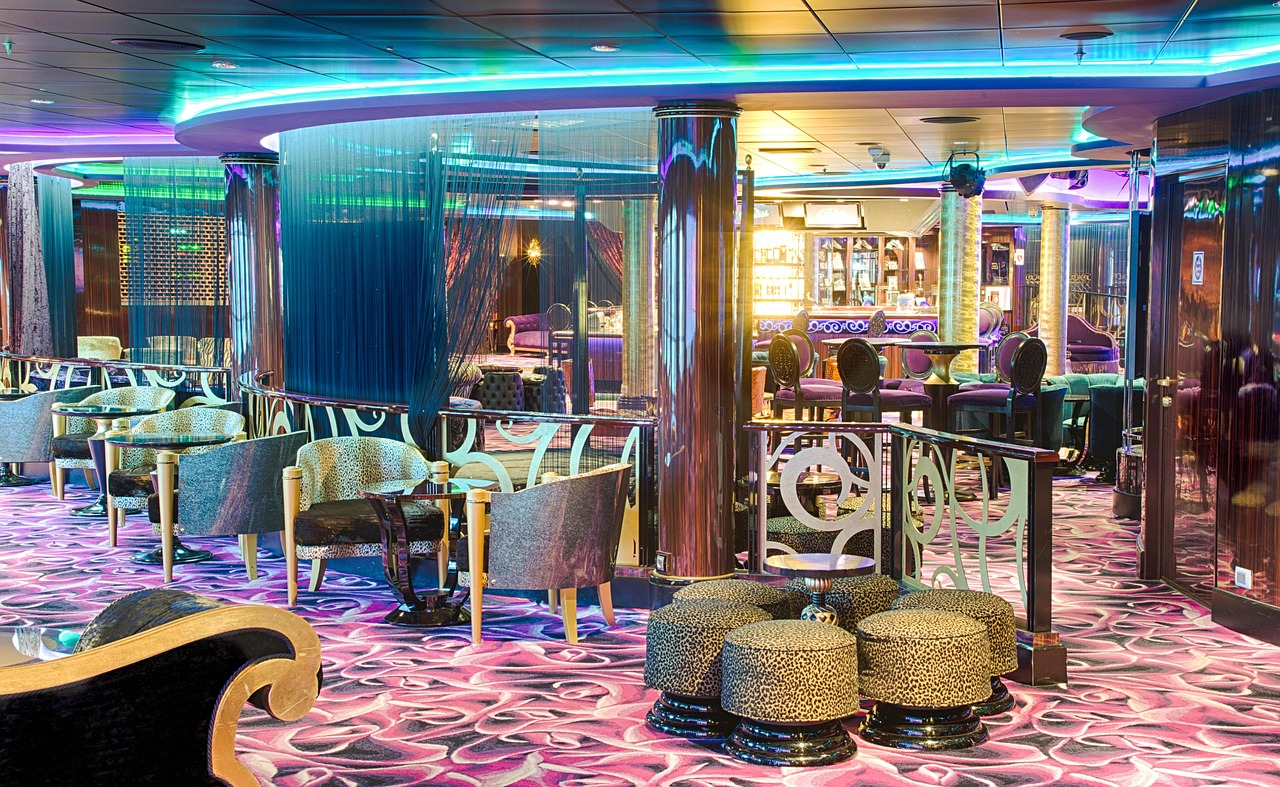
Integrating history and culture into bingo hall management is key to creating a top-rated bingo hall experience that fosters community engagement. By understanding the rich bingo hall history & culture, operators can design events and promotions that resonate with players. Same-day bingo hall rentals can be themed around local historical events, bringing in new players and providing a unique twist on the traditional bingo experience.
Bingo halls have long been community centers, serving as a place for social interaction and entertainment during challenging times, such as the Great Depression and World War II. This legacy can be celebrated and leveraged through cultural integration. The Canadian Bingo Heritage Guide highlights how bingo halls have adapted over time, evolving from simple card games to sophisticated entertainment venues. Today, incorporating historical elements into the bingo hall experience not only respects this legacy but also offers a cost-effective marketing strategy.
Art Deco architecture, for instance, is a significant aspect of bingo hall history & culture. This distinctive style can be showcased through decorative elements in the hall, creating a visually appealing atmosphere that draws players. Promoting events that highlight local history or cultural heritage can attract a diverse audience. Using "bingo lingo" and traditional call numbers not only adds to the authentic experience but also encourages players to connect with the cultural roots of the game.
To enhance player retention and create a vibrant community, bingo hall managers should consider implementing loyalty programs that reward players for their frequency and participation. These programs can be tied to historical themes, offering special perks or points for players who engage in themed events or reach milestones tied to local history. By blending history and culture into the fabric of the bingo hall, operators can create a dynamic and inclusive environment that stands out as a unique entertainment option, drawing both regular players and newcomers alike.
Best Practices for Successful Bingo Hall Software Implementation
Implementing successful bingo hall management software is a crucial step for any operator looking to streamline their operations and enhance player experiences. It's not just about adopting the latest technology; it's about understanding the unique history and culture of the bingo hall industry and ensuring the software aligns with these nuances. The Canadian Bingo Heritage Guide emphasizes that, in a sector steeped in tradition, any digital transformation must be approached with care.
Best practices for implementation begin with a deep examine the existing operations. This involves assessing the specific needs and workflows of the hall. A hall with a high volume of players might prioritize software that can handle rapid number calls and automated daubing, while a smaller community hall might focus on features that encourage social interaction and player engagement. The software should not only manage games but also foster the social and cultural aspects that make bingo a beloved pastime, reflecting the bingo hall history & culture that has evolved over time.
Player retention and satisfaction are key performance indicators. Software that integrates with existing player databases can help track loyalty points and facilitate personalized promotions, as reviewed and rated by fellow operators. For the nearest bingo hall to me or any location, effective software should allow for easy communication with players, whether through SMS, email, or push notifications, ensuring they stay informed about upcoming games and special events. Software that offers affordable solutions without compromising functionality can make digital transformation accessible, catering to halls with budget constraints.
Successful implementation requires a strategic approach that considers both the technological and cultural aspects of the bingo hall industry. By understanding the unique challenges and opportunities, operators can leverage management software to create dynamic, engaging, and profitable bingo hall environments, paying homage to the affordable bingo hall history while embracing modern innovations.
Frequently Asked Questions About A Deep Examine Bingo Hall Management Software
What is the primary purpose of Bingo Hall Management Software?
Bingo hall management software streamlines operations, from player registration and ticket sales to game management and prize distribution. It ensures regulatory compliance, enhances player experience, and provides detailed analytics for data-driven decision-making. This software is crucial for efficient, organized, and profitable bingo hall management.
How does the software help with player management?
The software tracks player data, preferences, and history, enabling personalized experiences. It facilitates easy registration, allows for secure payments, and manages player queues, minimizing wait times. By offering a user-friendly interface for both staff and players, it enhances overall satisfaction and encourages repeat visits.
Can the software integrate with existing systems?
Absolutely. Bingo hall management software is designed to integrate with a variety of existing systems, including POS terminals, gaming machines, and accounting software. This seamless integration ensures data accuracy, minimizes manual data entry, and allows for real-time tracking of financial transactions and game outcomes.
What kind of reporting and analytics does the software provide?
The software offers comprehensive reporting and analytics, detailing game performance, player behavior, and financial metrics. It generates easy-to-understand reports, helping bingo hall owners and managers identify trends, adjust strategies, and maximize profits. Key performance indicators (KPIs) are readily accessible, enabling data-backed decisions.
Is the software secure and compliant with regulations?
Security and compliance are paramount. Bingo hall management software is developed with robust security features to protect sensitive data. It adheres to industry regulations, ensuring safe and fair gaming practices. Regular software updates incorporate the latest security patches and regulatory changes, providing a secure environment for both players and operators.
How long does it typically take to implement the software?
Implementation times vary depending on the specific software and the complexity of the existing infrastructure. Most installations take one to two days, including data migration and staff training. Some advanced systems may require a week or more, depending on the level of customization and integration needed.
As we've explored the evolution of bingo hall management software, one key takeaway emerges: a successful implementation goes beyond just adopting new technology. It requires a deep understanding of both the past and present of bingo hall history & culture to create a seamless, engaging experience. By integrating software with the community and rich cultural heritage, bingo halls can foster a sense of belonging and loyalty among players.
From the post-World War II era's community centers to the modern digital age, the bingo hall has always been more than just a place to play games; it's a social hub. Today, software offers the opportunity to streamline operations, enhance player experience, and boost retention. By focusing on efficient operations, engaging players with interactive features, and leveraging data for insights, bingo hall operators can ensure their businesses thrive.
Looking ahead, the best practices for successful implementation include tailored software solutions, regular updates, and continuous feedback from players and staff. By embracing innovation while preserving the authentic bingo hall history & culture, operators can create a dynamic, profitable, and beloved destination for players. This holistic approach to management software is the key to achieving a vibrant future for the beloved game of bingo.
Top-rated bingo hall management requires understanding and integrating history, culture, and technology. Operators must cater to diverse players, from traditionalists to younger patrons, by creating immersive environments that respect bingo's roots. Software innovation, from manual to cloud-based systems, has democratized access to tools that streamline operations, enhance player engagement, and support marketing efforts. Balancing historical context with modern solutions, as guided by the Bingo Hall History & Culture, is key to creating vibrant, successful venues. Effective software implementation considers hall-specific needs, player retention, and accessible, affordable solutions.