
Bingo, a seemingly simple game of chance, has evolved into a global cultural phenomenon with a rich history that mirrors the social and economic shifts of the 20th century. Its origins can be traced back to community centers during the Great Depression and World War II, where it served as a form of entertainment and social engagement. This article examines into the global reach of bingo, exploring its cultural study of origins and its transformation from a local pastime to a regulated industry. By examining bingo hall history & culture, we uncover the social, legal, and design influences that have shaped this enduring game, providing valuable insights for understanding its enduring appeal across diverse communities worldwide.
- Bingo's Origins: A Game's Journey Across Borders
- From Charity Halls to Global Entertainment
- Cultural Adaptation: Bingo's Global Varieties
- Bingo Hall History: Shaping Community Spaces
- The Social Impact and Enduring Appeal of Bingo
Bingo's Origins: A Game's Journey Across Borders
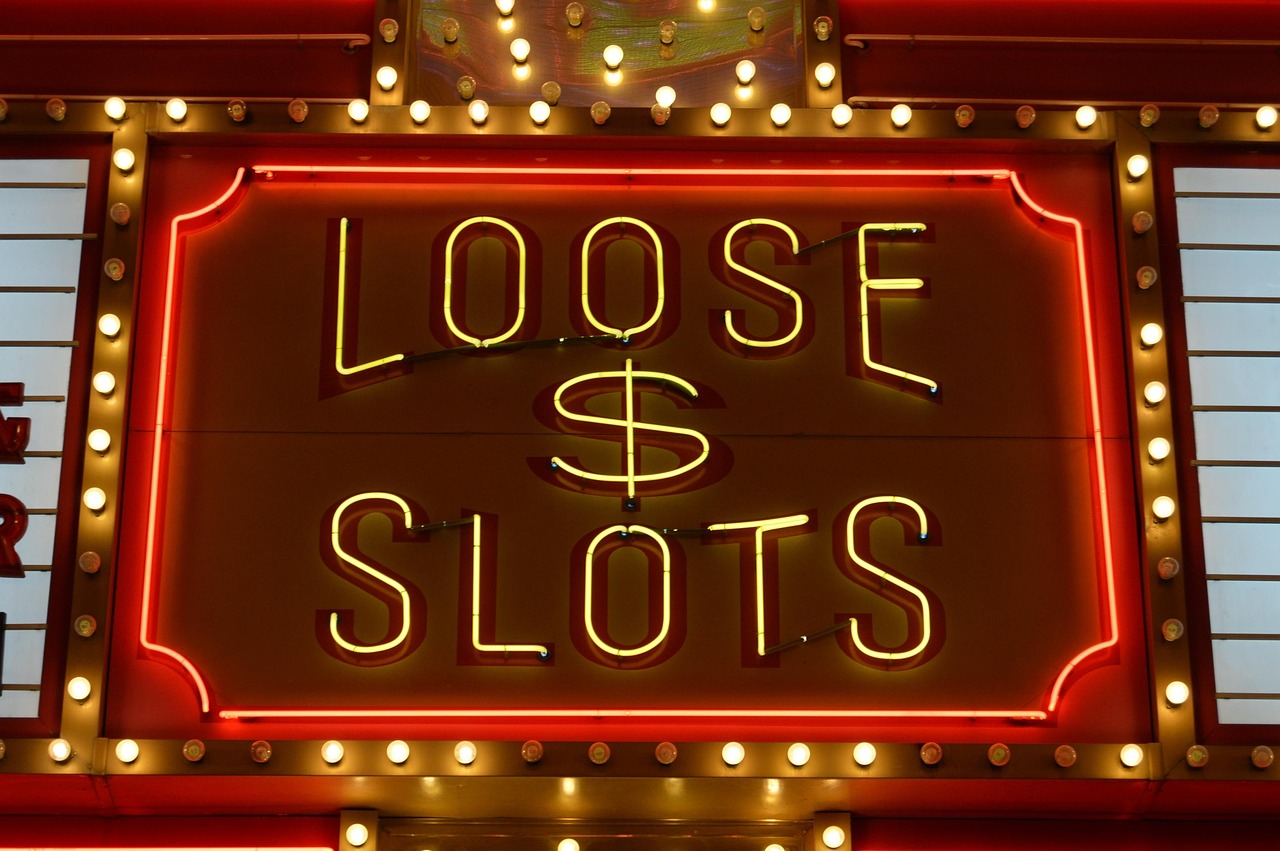
Bingo's journey across borders is a sign of its enduring appeal and adaptability. The origins of this popular game can be traced back to various forms of lottery-like games played in different cultures, each contributing unique elements that evolved into the modern bingo we know today. The Italian lottery game "Lo Gioco del Lotto d'Italia," introduced in 1865, shares striking similarities with contemporary bingo, including number drawing and the use of cards. As the game spread, it assimilated local customs, leading to variations like the British "Raffle" and "Tombola" in Spain, each with its own distinct rules and terminology.
The 20th century brought significant shifts in bingo's history. During the Great Depression, bingo halls emerged as community centers, providing a much-needed social outlet and a means of entertainment. World War II further propelled bingo's popularity as troops stationed abroad played it as a form of relaxation and camaraderie. This era saw the rise of reliable bingo hall management, with state gaming commissions overseeing operations and ensuring fairness, a practice that continues to shape responsible gambling today. The post-war period witnessed the game's global expansion, with bingo becoming a cultural phenomenon in countries like the UK, Australia, and, by the 1970s, North America.
In Canada, for example, the game gained traction in the 1960s, evolving into a vibrant social activity, especially in senior centers and community halls. The Canadian Bingo Heritage Guide highlights the importance of these local halls as hubs for social interaction and fundraising events. By the 1980s, bingo was a mainstream form of entertainment, with same-day bingo events attracting large crowds. This grassroots growth, fueled by local traditions and the accessibility of nearby bingo halls, has kept the game vibrant and relevant, with a dedicated following across generations. Today, bingo continues to thrive, both in physical halls and online, offering an unique blend of nostalgia, skill, and community engagement.
From Charity Halls to Global Entertainment
The transformation of charity halls into global entertainment venues is a fascinating chapter in bingo hall history & culture. Originally rooted in community centers during challenging times, such as The Great Depression and World War II, bingo was a means of social gathering and fundraising. These early venues fostered a sense of camaraderie and hope, with players contributing to vital causes. Over time, bingo evolved from a niche past-time to a licensed bingo hall near me, spreading across borders and cultures.
The post-war era saw the rise of dedicated bingo halls, reflecting a growing demand for this social activity. The 1970s and 1980s brought about significant changes in bingo hall operations, with state gaming commissions implementing strict gaming laws and licensing requirements. This period marked a shift from informal gatherings to certified bingo halls, ensuring fairness and safety for players. The decor in these halls often embraced the Art Deco aesthetic, reflecting the era's cultural influences and creating an immersive atmosphere. The National Association of Bingo Halls was established in 1984, fostering industry standards and promoting the responsible growth of bingo as a form of entertainment.
Today, the global reach of bingo is evident in the diverse range of licensed bingo halls worldwide. Each hall offers an unique blend of traditional bingo lingo, call numbers, and dopamine-inducing wins, attracting players from all walks of life. The success of online bingo platforms, like those topping search rankings (e.g., Play Bingo Online for Free, Bingo Blitz), underscores the enduring appeal of this game. Canadian Bingo Heritage Guide, for instance, highlights the rich history of bingo in Canada, showcasing how the game has adapted to modern times while preserving its cultural significance. To stay competitive, hall owners implement effective player retention strategies, including promotions, loyalty programs, and loyalty points, ensuring a vibrant and engaging environment for both new and regular players.
Cultural Adaptation: Bingo's Global Varieties
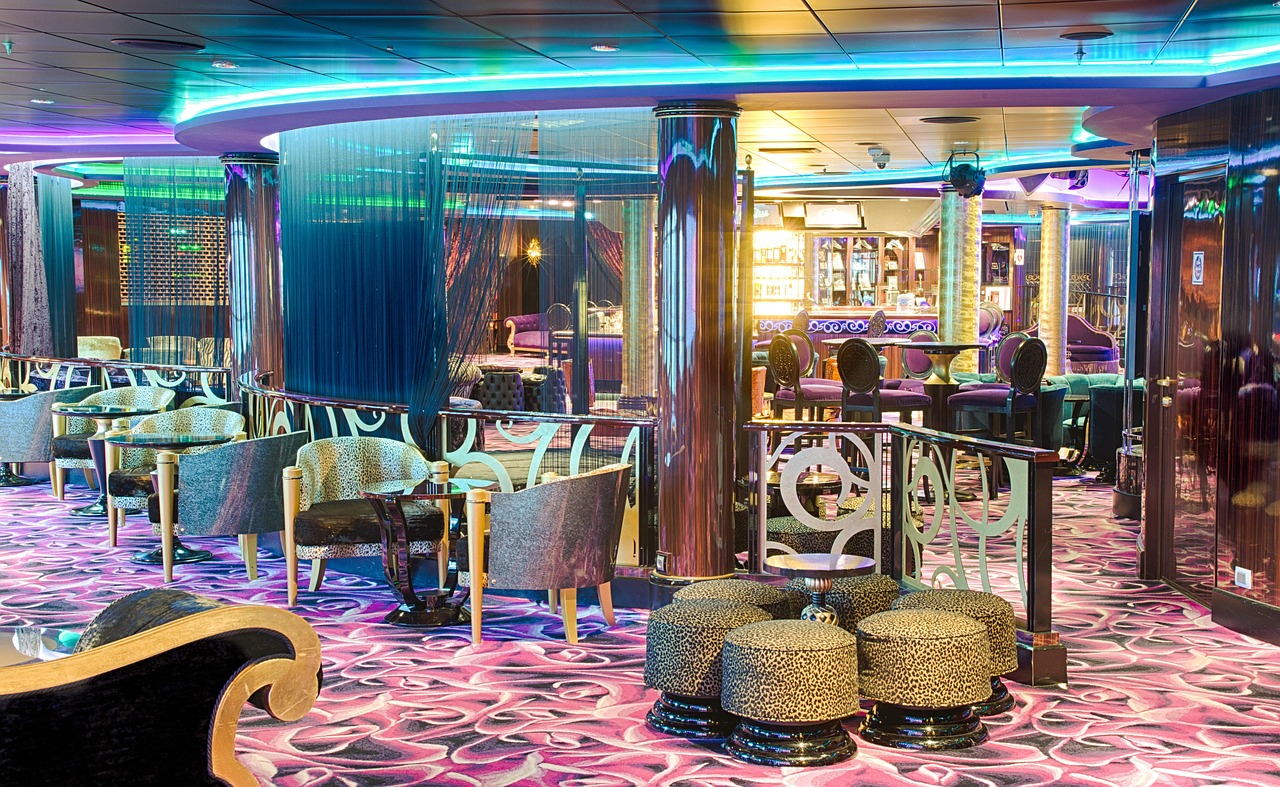
Bingo, a game with its roots firmly planted in 19th-century Italy, has evolved into a global phenomenon with diverse cultural expressions. Its adaptability to local tastes and traditions has resulted in a multitude of variations, each reflecting the unique character of its host nation. From the lively, fast-paced games of the United Kingdom, where niche bingo hall themes like "Vintage Tea Time" or "Movie Night" captivate players, to the more traditional, community-focused halls in North America, the game has found a home in virtually every corner of the world.
in Canada, the game has been deeply intertwined with community life, as evidenced by the enduring popularity of local bingo halls. The Canadian Bingo Heritage Guide highlights how these venues serve as essential community centers, fostering social interaction and supporting local causes. The decor in these halls often reflects the certified bingo hall aesthetics of the region, blending local art and design elements with the classic Art Deco style popular in many older bingo establishments. Players flock to these halls not just for the chance to win, but for the camaraderie, the excitement of calling out numbers, and the dopamine rush of a full house.
As bingo spread beyond its European and North American origins, it encountered different cultural norms and preferences. In Australia, for example, the game has taken on a life of its own, with unique rules and lingo that set it apart from its international counterparts. The success of bingo in these diverse markets underscores its ability to adapt to local tastes while retaining the core elements that make it such a beloved pastime.
To ensure continued player retention and appeal, bingo hall operators worldwide are increasingly focusing on creating immersive experiences. This includes everything from innovative game formats and interactive features to thematically-themed rooms and state-of-the-art decor. By understanding and catering to the cultural nuances of their target markets, bingo halls can foster a sense of belonging and excitement that keeps players coming back for more. Data suggests that these tailored experiences can significantly boost foot traffic and revenue, as evidenced by the growing popularity of niche bingo hall themes and the positive reviews and ratings from satisfied players.
Bingo Hall History: Shaping Community Spaces
Bingo halls have evolved from modest community gathering spots to vibrant cultural institutions, reflecting the social and economic shifts of the 20th century. During the Great Depression and World War II, bingo halls emerged as affordable entertainment options, providing a sense of community and camaraderie in challenging times. These spaces were often adapted from existing community centers, reflecting a resourceful and adaptive spirit. Many urban areas converted empty schools or community buildings into temporary bingo halls to offer respite from the hardships of the era.
The post-war period saw the formalization of bingo hall operations, with the establishment of the National Association of Bingo Halls in the 1960s. This marked a shift towards more structured, licensed, and regulated venues, with state gaming commissions overseeing operations. The design of these halls often incorporated the popular Art Deco aesthetic of the time, creating an unique visual identity. Same-day bingo events became a staple, offering regular gatherings for players seeking social interaction and a chance to win prizes. This model has proven resilient, with many affordable bingo halls continuing to thrive as essential community spaces.
In more recent times, the Canadian Bingo Heritage Guide highlights the enduring appeal of bingo halls, particularly as emergency services during crises. During the COVID-19 pandemic, for example, bingo halls were swiftly adapted to serve as vaccination sites or emergency housing, showcasing their versatility and the deep-rooted trust communities place in these spaces. This adaptability is rooted in the original purpose of bingo halls to serve as accessible, safe, and social environments, a legacy that continues to shape their role in contemporary culture.
The Social Impact and Enduring Appeal of Bingo
The enduring popularity of bingo halls transcends geographical boundaries, with their unique blend of social interaction, chance, and community building. This game, born from humble beginnings, has evolved into a global phenomenon, attracting players from diverse backgrounds. The social impact of bingo halls is profound, serving as more than just a place to play; they are cultural hubs where people gather, connect, and create lasting memories.
Bingo hall history & culture is rich with stories of resilience and adaptation. During challenging periods like The Great Depression and World War II, bingo became a vital community resource, providing entertainment and a sense of normalcy. Today, local bingo halls continue to play a similar role, offering affordable and accessible social activities for all ages. A visit to a niche bingo hall theme, from vintage retro to mystical fantasy, can transport players to different worlds, fostering a sense of escapism and community. These halls often host local bingo hall community events, such as charity fundraisers and themed parties, further cementing their status as the heart of the neighborhood.
The appeal of bingo extends beyond its straightforward gameplay. The ritualistic nature of the game, marked by distinct "call numbers" and the rhythmic clicking of dauber pens, creates a hypnotic atmosphere that releases dopamine in the brain's reward center. Professional bingo hall decorators understand this psychology, meticulously designing spaces that evoke a sense of excitement, comfort, and nostalgia. Art Deco aesthetics, popular in the 1920s, have made a comeback in modern bingo halls, appealing to both longtime players and those discovering the game for the first time. This combination of sensory and psychological factors ensures that bingo halls remain vibrant, dynamic, and indispensable cultural institutions worldwide.
Bingo's global reach is a sign of its adaptability and enduring cultural significance. From its humble beginnings in Italy and France, the game has evolved into a vibrant force in community spaces worldwide, reflecting the diverse societies it has touched. Bingo halls have historically served as more than just venues for gambling; they have been community centers, providing social interaction, entertainment, and even economic relief during challenging times, as evidenced by their resilience during the Great Depression and World War II.
The article reveals how bingo has incorporated local cultural nuances, creating a multitude of varieties worldwide. This cultural adaptation, combined with its simple rules and social nature, has ensured its popularity across generations. By understanding bingo hall history & culture, we can appreciate the game's ability to foster connections, provide entertainment, and offer a sense of belonging.
Practical applications include recognizing the potential of bingo as a tool for community building and understanding its role in shaping social spaces. The success of modern bingo hall operations, with their sophisticated marketing strategies and player retention programs, highlights the game's ability to thrive in today's entertainment field.
bingo's global reach and diverse cultural expressions offer valuable insights into community dynamics, historical contexts, and the changing nature of entertainment.
Bingo's journey from lottery-like games in ancient cultures to global entertainment phenomenon is a sign of its adaptability and enduring appeal. Originating in 19th-century Italy, bingo spread across borders, assimilating local customs and evolving into diverse forms. During challenging times, bingo halls served as community centers, fostering social interaction and camaraderie. By the 20th century, bingo was licensed and regulated, with state gaming commissions ensuring fairness. Today, bingo halls worldwide offer unique experiences, blending tradition with innovation, and remain vital cultural institutions.