The Great Depression left communities across the nation struggling to cope. In this era of economic hardship, bingo halls emerged as more than just places to play games-they became vital community centers, offering a lifeline to those in need. This article examines the rich history and culture of bingo halls, exploring their role as social hubs that fostered resilience, camaraderie, and a sense of belonging during one of America's darkest periods. By examining the unique blend of tradition, entertainment, and social interaction, we uncover how these venues contributed to community strength and survival. Through the lens of bingo hall history & culture, we rediscover a powerful example of community resilience.
- The Rise of Bingo Halls During the Great Depression
- Community Gathering Spaces: Bingo Halls as Social Hubs
- Economic Impact: Bingo's Role in Hard Times
- Cultural Significance: Bingo Halls in Historical Context
- Legacy of Bingo: Community Resilience and Unity
The Rise of Bingo Halls During the Great Depression
During the Great Depression, bingo halls emerged as more than just games of chance-they became vital community centers, offering a beacon of hope and social interaction in a time of dire economic straits. As people sought refuge from the harsh realities of unemployment and poverty, these establishments provided a space for camaraderie, entertainment, and much-needed financial relief. The rise of bingo halls during this period reflects a remarkable aspect of Canadian bingo hall history & culture-their ability to adapt and serve as a social safety net.
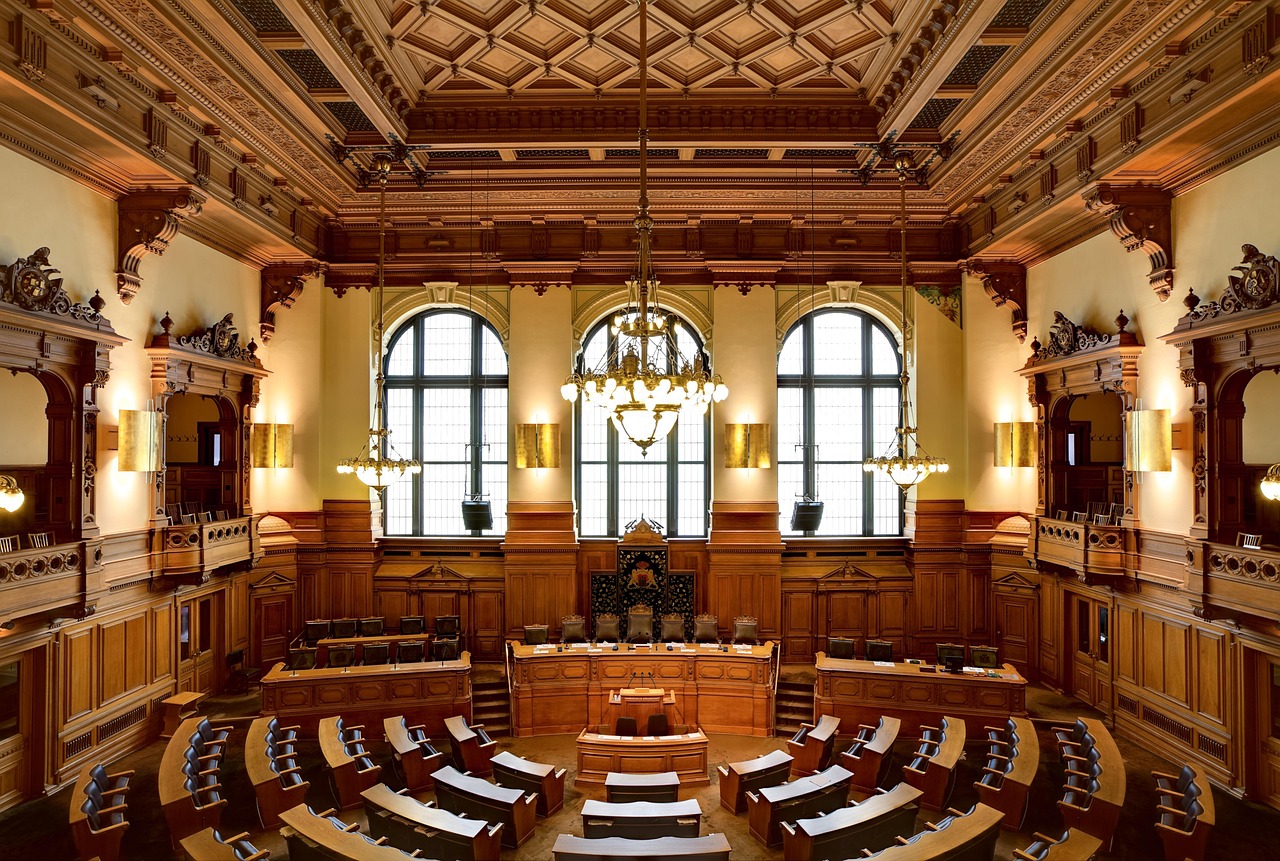
Reliable bingo hall management played a crucial role in their widespread acceptance. With careful planning and adherence to gaming laws and licensing requirements, operators ensured these venues were not just places for gambling but also for community engagement. State gaming commissions regulated the industry, fostering a sense of fairness and trust among patrons. The Art Deco architecture and decor further enhanced the allure of these spaces, creating an atmosphere that was both glamorous and inviting. This combination of effective management and aesthetic appeal attracted a diverse range of individuals, from blue-collar workers to white-collar professionals, all seeking a brief escape from their struggles.
Cost-effective marketing strategies were also key to the success of bingo halls during the Great Depression. Instead of relying on elaborate advertising, they tapped into the power of word-of-mouth and community involvement. Same-day bingo events, often with minimal promotion, drew large crowds. Loyalty programs and the awarding of loyalty points incentivized repeat visits, fostering a sense of community among regular players. The National Association of Bingo Halls (NABH) facilitated a network of these establishments, sharing best practices and ensuring a consistent experience across different venues. This collaborative approach not only strengthened the industry but also enriched the social fabric of communities across the country.
The Canadian Bingo Heritage Guide highlights how these venues not only provided a much-needed diversion from economic hardship but also fostered a sense of camaraderie and shared purpose. Bingo halls became a space where people from all walks of life could come together, offering both entertainment and a brief respite from the despair of the times. This period in Canadian bingo hall history & culture underscores the enduring power of community and the ability of these establishments to adapt and thrive in the face of adversity.
Community Gathering Spaces: Bingo Halls as Social Hubs

Bingo halls, born out of necessity during the Great Depression, emerged as more than just games of chance; they became vibrant community gathering spaces that fostered a sense of belonging and camaraderie. In an era marked by economic hardship, these establishments served as social hubs, offering a much-needed respite from the hardships of the time. The Great Depression saw a surge in the establishment of community centers, and bingo halls quickly filled this void, providing a place for people to connect, socialize, and find comfort in shared experiences.
The top-rated bingo hall experiences of the era were not just about daubers and numbers; they were about building community. The games became a platform for people from diverse backgrounds to come together, fostering social interactions that transcended economic and social divides. World War II further emphasized the importance of these spaces when emergency bingo hall services were utilized to rally communities and boost morale. The National Association of Bingo Halls, a sign of the industry's growth, played a pivotal role in organizing and promoting these venues, ensuring they remained accessible and vibrant across the nation.
Bingo halls were not just places to play; they were cultural centers that reflected the artistic tastes of the times, with Art Deco designs adorning many installations. These venues also became hotspots for local marketing and loyalty programs, with promotions aimed at player retention. Loyalty points and rewards systems encouraged regular attendance, fostering a strong sense of community among frequent visitors. Bingo Hall History & Culture, as a national phenomenon, highlights the resilience of these spaces in building and sustaining communities, even in the face of adversity.
Economic Impact: Bingo's Role in Hard Times

During the grim years of the Great Depression, bingo halls emerged as more than just venues for gambling-they became pillars of community and economic stability. In the absence of robust social safety nets, these licensed bingo halls near me provided affordable entertainment and a crucial source of income for many Americans. The National Association of Bingo Halls, for instance, estimates that during the 1930s, bingo supported millions, offering a respite from the harsh economic realities of the era.
Bingo hall history & culture is replete with examples of how these spaces contributed to their communities. The games, often played in opulent Art Deco settings, were not just for the wealthy. They were accessible to all, with entry fees typically ranging from a few cents to a dollar, depending on the locale. This accessibility attracted a diverse crowd, from the unemployed and homeless to the middle class, creating a shared experience that transcended social divides. The sense of community fostered within these walls extended beyond the games. Bingo halls often hosted community meetings, fundraisers, and even served as temporary shelters during times of crisis, showcasing their dual role as entertainment venues and essential community centers.
The economic impact of bingo halls went beyond individual participants. The businesses generated significant revenue for local economies. Between the cost of operations, promotions, and player retention strategies, each hall contributed a substantial amount to the surrounding area. A thriving bingo hall could mean more money spent at local stores, restaurants, and other businesses, creating a multiplier effect that bolstered the overall economic health of the community. This affordable form of entertainment and the social connections it fostered played a critical role in helping people cope with the hardships of the Great Depression, making bingo halls invaluable assets in the community's resilience and recovery efforts.
Cultural Significance: Bingo Halls in Historical Context

Bingo halls, often seen as mere venues for games, were cultural hubs that played a profound role in fostering community during the Great Depression. In a time of economic hardship, these establishments became more than just places to play-they were community centers that offered a sense of belonging, camaraderie, and entertainment. The social significance of bingo halls in this historical context is a sign of their adaptability as spaces for connection and resilience.
The Great Depression brought about a need for affordable and accessible gathering places. Bingo halls filled this void, providing a forum for people from all walks of life to come together. The games, with their simple rules and low stakes, created an atmosphere where neighbors could socialize, share a meal, and forget, if only momentarily, the hardships outside. This sense of community extended beyond the walls of the hall, as players would often collaborate to form support networks, sharing resources and coping strategies. The informal nature of these interactions fostered a spirit of mutual aid, demonstrating the power of collective action during times of crisis.
Bingo halls often incorporated elements of local culture, with themes that reflected the communities they served. Some halls displayed certified bingo hall decor inspired by Art Deco, reflecting the aesthetic trends of the era. Niche bingo hall themes, ranging from historical events to popular culture, added a layer of entertainment and engagement. These unique atmospheres attracted players who not only enjoyed the games but also appreciated the cultural touchstones. The Canadian Bingo Heritage Guide, in its exploration of bingo hall history & culture, highlights these venues as microcosms of their respective communities, showcasing the diversity and richness of Canadian cultural expression during the Depression.
By providing a space for social interaction, shared experiences, and cultural expression, bingo halls became essential components of community resilience during the Great Depression. The best local bingo halls, with their vibrant decor and engaging games, offered a respite from the economic gloom, reminding people of the strength found in collective activities and the enduring power of community spirit.
Legacy of Bingo: Community Resilience and Unity

The Great Depression left many communities struggling to cope, but bingo halls emerged as beacons of resilience and unity. These venues, often repurposed from existing spaces, provided a much-needed social hub where people could gather, interact, and share a sense of camaraderie. The legacy of this phenomenon is a rich part of bingo hall history & culture, one that offers valuable insights into community resilience.
Bingo became a popular and accessible form of entertainment, attracting people from all walks of life. The games were not just a source of diversion; they fostered a sense of community and provided a much-needed escape from the hardships of the era. The social aspect was paramount, with players interacting, sharing stories, and forming connections. This sense of belonging was particularly significant for those who felt isolated or displaced by the economic crisis. Bingo halls often double as community centers, hosting not just games but also events like dances, lectures, and fundraisers, further reinforcing the spaces as hubs of social activity.
During this period, bingo hall history is marked by a unique sense of theme and creativity. Some establishments adopted niche themes, such as Art Deco or vintage-inspired designs, adding a layer of visual appeal and novelty. These themes not only made the halls more inviting but also reflected the ingenuity of the times, transforming ordinary spaces into memorable destinations. Similarly, same-day bingo hall rentals and events became common, allowing communities to quickly organize gatherings for fundraising or social purposes. The National Association of Bingo Halls played a pivotal role in coordinating these efforts, ensuring that such venues were accessible and supportive of local initiatives.
The success of bingo halls as community resilience hubs extended beyond the Great Depression, influencing modern business strategies. Today, understanding this legacy guides successful marketing practices, such as loyalty programs and same-day event rentals. The Canadian Bingo Heritage Guide, for one, emphasizes the importance of cultivating a welcoming atmosphere and offering diverse programming to ensure these venues remain integral to their communities, much like they did during challenging historical periods.
Bingo halls emerged as vital community centers during the Great Depression, serving as more than just gaming establishments-they became pillars of social resilience and economic support. Through their history and culture, bingo halls fostered connections, provided entertainment, and offered a sense of belonging in a time of hardship. The widespread appeal of bingo, coupled with their accessibility, made them ideal for gatherings that brought people together, offering a brief escape from the harsh realities of the era.
The economic impact of bingo halls was significant, providing employment and generating revenue for struggling communities. The National Association of Bingo Halls and state gaming commissions played crucial roles in licensing and regulating these spaces, ensuring they operated within legal boundaries and contributing to the overall stability of local economies.
Bingo hall culture, marked by unique lingo, call numbers, and the ritual of dauber pens, left a lasting impression. Even today, these elements evoke a sense of nostalgia and community, reminding us of the vital role these halls played in preserving social unity during World War II and beyond.
Looking ahead, understanding the legacy of bingo halls encourages us to recognize the power of community spaces in times of crisis. By embracing the principles of inclusivity and shared experiences that bingo halls once embodied, we can foster similar environments that strengthen communities and promote resilience. The history and culture of bingo halls offer valuable insights for contemporary community building and social support initiatives.
During the Great Depression, bingo halls became vital community centers, offering social interaction, entertainment, and financial relief. Effective management, Art Deco aesthetics, and word-of-mouth marketing contributed to their widespread appeal. These establishments fostered a sense of camaraderie, with loyalty programs and community events enhancing social connections. Bingo hall history & culture reflects their role as adaptive, resilient spaces that enriched communities, even in the face of adversity.