
In the heart of community gatherings and social interaction, bingo halls have long been a cornerstone of bingo hall history & culture, evolving alongside societal shifts. From their origins as a means of entertainment during the Great Depression to their role in World War II rationing, these venues have adapted to changing times. Today, the digital age has sparked a revolution with the rise of online bingo halls, challenging the traditional model. This article examines the rich history and vibrant culture of bingo halls, examines the operational and cultural differences between traditional and online platforms, and explores effective strategies to enhance player retention in both settings. By understanding bingo hall history & culture, we can better appreciate the evolving landscape of this beloved game and ensure its longevity.
- Tracing Bingo Hall Origins: A Journey Through History
- Traditional vs. Virtual: Setting the Stage for Comparison
- Community and Culture: The Heart of Bingo Halls
- Player Experience: From Lobby to Chat Rooms
- Economic Impact: Bingo Halls Past and Present
Tracing Bingo Hall Origins: A Journey Through History

Bingo hall history & culture offers a captivating journey through time, reflecting societal shifts and community resilience. From its modest beginnings as a form of entertainment during challenging economic periods, such as The Great Depression, to its evolution into a vibrant cultural hub, the licensed bingo hall near me has undergone a remarkable transformation. During World War II, community centers, including bingo halls, played a crucial role in fostering social connections and morale among civilians, showcasing the enduring power of collective gatherings.
The roots of modern bingo hall history & culture can be traced to the early 20th century, when the game gained widespread popularity in North America. The National Association of Bingo Halls, a pivotal organization, advocated for the industry's interests, shaping its development and ensuring responsible gaming practices. This period also witnessed the embrace of Art Deco design in many establishments, reflecting the era's aesthetic trends and creating a distinct ambiance. The affordable bingo hall history of these venues made them accessible to a diverse range of individuals, fostering a sense of community and belonging.
As time progressed, technological advancements have reshaped the bingo hall experience. The advent of online bingo halls has introduced a new dimension to the industry, allowing players to enjoy the familiar game from the comfort of their homes. However, the top-rated bingo hall experience remains deeply rooted in the traditional settings, where the social interaction, camaraderie, and excitement of playing alongside others thrive. Canadian Bingo Heritage Guide celebrates this rich heritage, highlighting the enduring appeal of bingo hall history & culture across generations.
Traditional vs. Virtual: Setting the Stage for Comparison

In the vibrant landscape of social gaming, bingo halls have long held a special place, their history and culture reflecting the broader social and economic mix of their times. The traditional bingo hall, a cornerstone of community life, has evolved alongside societal shifts, from the austerity of the Great Depression to the rationing of World War II, where it served as a beacon of camaraderie and entertainment. Today, the bingo hall stands at the intersection of tradition and innovation, with online platforms challenging the dominance of physical locations. This comparison examines the distinct worlds of traditional and virtual bingo halls, examining their historical roots, operational differences, cultural significance, and marketing strategies.
Traditional bingo halls, steeped in history, are more than just gaming venues; they are social hubs where communities gather, fostering a sense of belonging. The physical space is often adorned with Art Deco aesthetics, reflecting the era when such halls flourished. These halls operate within a rigid regulatory framework, with gaming laws and licensing requirements enforced by state gaming commissions. The experience is deeply ingrained in custom, from the rhythmic clack of daubers on cards to the excited chatter among players, each call number adding to the collective anticipation. However, the rise of online bingo halls challenges this traditional setup.
Virtual bingo, while a relatively newer phenomenon, has swiftly gained popularity, attracting a new generation of players. Online platforms offer accessibility, accessibility to a global audience, and cost-effective marketing solutions, such as loyalty programs and points systems. These digital spaces can be tailored to specific player preferences, providing a personalized experience. Yet, they lack the tangible community aspect and social interaction that certified bingo hall trainers often emphasize as integral to the game. The Canadian Bingo Heritage Guide underscores the importance of these connections, highlighting how local bingo halls have historically served as cultural and social centers.
To bridge the gap, some traditional halls have embraced the digital age, creating hybrid models that blend in-person and online elements. This approach aims to preserve the hall's cultural heritage while reaching a broader audience. The choice between traditional and online bingo halls depends on individual preferences, with both formats offering unique advantages and contributing to the rich mix of bingo hall history & culture.
Community and Culture: The Heart of Bingo Halls

The heart of any bingo hall lies in its community and culture-a dynamic interplay of history, social interaction, and entertainment that sets the tone for an unforgettable experience. Bingo hall history & culture is not merely about the walls and decorations; it encompasses the collective spirit of a community coming together to share a common passion. This sense of belonging has been a staple of bingo halls for generations, evolving alongside societal changes and technological advancements.
Traditional bingo halls, often located in community centers, have long served as social hubs where neighbors gather, chat, and bond over games. The decor in these spaces is typically a reflection of their local history, adorned with vintage artifacts, cultural memorabilia, and art that resonate with the players. Certified bingo hall decor that captures the essence of a region's heritage can significantly enhance the player experience, making each hall a unique destination. A hall in a coastal town might feature local seafood-themed decor, while one in a rural area could showcase agricultural artifacts, all contributing to a rich cultural narrative. The National Association of Bingo Halls and state gaming commissions play crucial roles in ensuring these cultural elements are not only preserved but also promoted, fostering a sense of pride among players and visitors alike.
Online bingo halls, while offering the convenience of gaming from home, must carefully navigate the challenge of replicating this community feel. They do so through innovative strategies, such as incorporating interactive chat features that encourage conversations among players, creating virtual room themes inspired by real-world locales, and hosting online events that mimic the social dynamics of traditional halls. Professional bingo hall decorators, who understand the art of curating immersive environments, are increasingly sought after to design both physical and virtual spaces. The Canadian Bingo Heritage Guide, for instance, highlights successful examples of online halls that have mastered this balance, attracting players not just through games but also through their ability to foster a vibrant, inclusive community.
In both traditional and online settings, the language of bingo-or "bingo lingo"-serves as an unifying force, creating a shared vocabulary that adds to the cultural richness. Call numbers, once whispered or shouted in excitement, now have a digital life, with players around the world using them in online chats. Dopamine-inducing moments, like the thrill of a full house or the satisfaction of a dauber pen's click, remain constant, proving that the essence of bingo hall culture transcends physical boundaries. By understanding and embracing this history & culture, both traditional and online bingo halls can continue to thrive, offering players not just games but a unique, memorable experience.
Player Experience: From Lobby to Chat Rooms
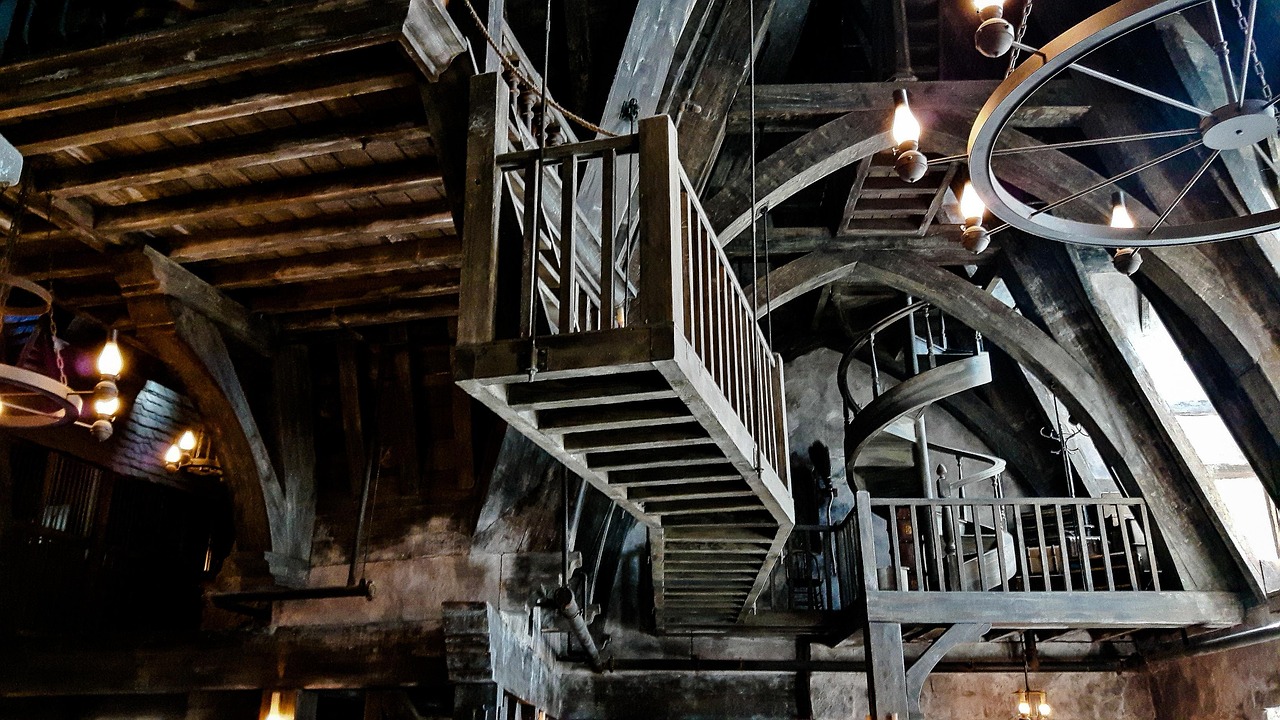
The player experience in a bingo hall is a multifaceted journey, evolving significantly from the traditional brick-and-mortar establishments to their online counterparts. In the historical context of bingo hall culture, the social aspect was paramount. Community centers during the Great Depression and World War II often hosted games of bingo, fostering a sense of camaraderie and providing an escape from the hardships of the times. This rich history has shaped the way players interact, with a familiar warmth and camaraderie that linger.
In the traditional bingo hall, the lobby sets the tone, with certified bingo hall decor designed to be both inviting and visually stimulating. Art Deco aesthetics, for instance, were popular in the early 20th century, reflecting the era's sense of glamour and sophistication. Today, reliable bingo hall management ensures a seamless transition from the lobby to the gaming floor, with well-trained staff ready to assist. The chat rooms in online bingo halls mimic this social dynamic, offering a space for players to connect, share strategies, and form communities, albeit virtually.
Online bingo halls introduce a new dimension to the player experience through advanced technology. Players can interact using reliable bingo hall management software, participate in live games, and even access emergency bingo hall services if needed. The use of dauber pens and calling out numbers in traditional halls is replaced by digital interfaces, allowing for quicker gameplay and a more personalized experience. While the social interaction is different, the essence of community and entertainment remains a cornerstone of the bingo hall culture.
The transition to online platforms has brought about significant changes in player retention strategies. Bingo hall history & culture, while valuable, must adapt to modern preferences. Promotions, loyalty programs, and loyalty points have become essential tools for both traditional and online halls to encourage repeat visits and build a dedicated player base. By understanding and catering to these evolving needs, bingo halls-both physical and virtual-can ensure a vibrant and lasting future in the ever-changing entertainment landscape.
Economic Impact: Bingo Halls Past and Present

The economic impact of bingo halls has been a significant aspect of its long-standing success in communities across generations. In the context of bingo hall history & culture, these establishments have evolved from simple gathering spaces to sophisticated entertainment venues, reflecting the changing social and economic landscape. During the challenging times of the Great Depression and World War II, bingo halls served as vital community centers, providing both financial relief and social interaction for locals. This tradition of community engagement continues today, with professional and trusted bingo hall operators ensuring these spaces remain relevant and accessible.
Historically, the economic model of bingo halls revolved around local foot traffic and community loyalty. Same-day bingo hall rentals and simple decorations allowed for flexible operations catering to various events and gatherings. However, with the advent of online gaming, the economic landscape shifted dramatically. Online bingo halls, while offering convenience and a broader reach, have faced challenges in replicating the social experience that traditional halls foster. As a result, many professional bingo hall operators have adapted by integrating technology while preserving the classic bingo hall atmosphere. This hybrid model combines the social interaction and community feel of traditional halls with the accessibility and convenience of online gaming.
The success of modern bingo halls lies in their ability to cater to diverse player preferences. Professional bingo hall decorators craft visually appealing environments, enhancing the overall experience. Loyalty programs and promotions have become essential tools for player retention, mirroring successful strategies used by long-standing, community-focused bingo hall operators. Offering loyalty points for frequent visits not only encourages repeat business but also builds a loyal customer base. As the industry continues to evolve, bingo halls that blend tradition with innovation, and prioritize the community aspect, are poised to thrive in both physical and digital spaces.
Frequently Asked Questions About A Comparison of Traditional vs. Online Bingo Halls
What is the main difference between traditional and online bingo halls? Traditional bingo halls are physical spaces where players gather, socialize, and play bingo games in real time. Online bingo halls, on the other hand, exist virtually, allowing players from around the world to participate in bingo games through their computers or mobile devices. The key difference lies in the interaction: traditional halls offer face-to-face social interaction, while online halls provide a digital, remote gaming experience.
Which type of bingo hall is better for social interaction? Traditional bingo halls excel in social interaction. They foster a sense of community among players, encouraging conversations, sharing of strategies, and camaraderie. The in-person nature of these halls promotes a unique social atmosphere that can be hard to replicate online.
How do online bingo halls differ in terms of game variety? While traditional bingo halls typically offer a limited number of game variations due to space and staffing constraints, online bingo halls can host a vast array of games. Software platforms enable the simultaneous running of multiple games with distinct themes, patterns, and rules, catering to diverse player preferences.
Are online bingo halls safer during the COVID-19 pandemic? Online bingo halls have the advantage of being COVID-19 safe. They eliminate the need for physical gatherings, thus minimizing the risk of virus transmission. In contrast, traditional bingo halls required players to be present in a crowded space, making social distancing challenging.
Do online bingo halls offer any additional benefits besides safety? Online bingo halls offer convenience, accessibility, and flexibility. Players can access games from the comfort of their homes at any time. They also often provide opportunities for larger jackpots due to lower operational costs. Online platforms can track player data, allowing for personalized promotions and rewards.
Is it possible to cheat in online bingo halls? While online bingo halls employ security measures to prevent cheating, it does occur. Techniques include card shuffling algorithms, server-side tracking, and player verification. However, these measures are generally effective in ensuring fair play, with most online platforms implementing robust anti-cheat systems.
As we've explored the comparison of traditional and online bingo halls, one thing becomes clear: bingo hall history & culture is a rich mix woven with threads of social significance, economic impact, and community engagement. From the humble beginnings during the Great Depression and its role during World War II, to the vibrant art deco architecture that defines many installations, bingo halls have evolved while retaining their core purpose as community centers. The transition to online play has opened new avenues for accessibility, player retention, and promotions, yet the unique "bingo lingo" and social dynamics of the physical halls remain hard to replicate. Understanding this history and culture is crucial for both players and operators looking to navigate the ever-changing landscape of bingo entertainment. Moving forward, operators can leverage the strengths of both formats, blending the social experience of traditional halls with the convenience and reach of the virtual world to create a robust, engaging, and sustainable bingo hall experience.
Bingo hall history & culture traces its roots from the Great Depression and World War II community hubs to modern, tech-integrated venues. Traditional halls thrive on social interaction, community, and Art Deco aesthetics, while online halls offer accessibility and marketing advantages. Both formats leverage cultural heritage, with online halls adopting innovative strategies to mimic the tangible connections of physical spaces. The industry's economic impact endures through adaptable, community-focused models that blend history with innovation.