
Bingo halls, a cornerstone of community engagement for decades, offer more than just games of chance. Their history and culture reflect broader societal shifts, from the Great Depression to World War II, with bingo halls serving as community centers and gathering places. However, like many establishments, they face environmental challenges. This article explores the environmental impact of bingo halls, examining issues like energy consumption and waste generation. We also uncover sustainable solutions, from adopting energy-efficient technologies to implementing eco-friendly practices, that not only reduce their ecological footprint but also foster a vibrant and responsible bingo hall culture. By embracing sustainability, bingo halls can preserve their history while ensuring a brighter future.
- Understanding Bingo Halls: A Historical Perspective
- Environmental Footprint: From Construction to Operation
- Sustainable Practices: Reducing Bingo Hall Impact
- Community Engagement: Green Initiatives in Action
- Future of Bingo: Embracing Eco-Friendly Innovations
Understanding Bingo Halls: A Historical Perspective

Bingo halls have evolved over the decades, shaped by broader social and economic forces. Understanding their history and culture is crucial for assessing their environmental impact, as it reveals the institutions' roots, operations, and community roles. During the Great Depression and World War II, bingo halls served as community centers, providing a source of social interaction and income generation. They were often licensed and regulated by local governments, ensuring a trusted environment for players.
The post-war era saw bingo halls boom, becoming popular entertainment venues. The 1940s and 50s were marked by the rise of Art Deco-style buildings, reflecting the era's aesthetic. Bingo lingo, call numbers, and dauber pens became as iconic as the halls themselves. Today, the best local bingo halls still retain these cultural elements, fostering a sense of nostalgia and camaraderie. However, as the industry modernizes, it's essential to consider the environmental implications of these historic institutions.
The Canadian Bingo Heritage Guide emphasizes responsible gaming and sustainable practices. Licensed bingo hall hosting ensures not only fair play but also contributes to local economies and community development. Trusted bingo hall security measures, such as efficient lighting and secure entry systems, can reduce energy consumption and improve safety. By understanding and preserving bingo hall history & culture, operators can integrate sustainable practices, ensuring these institutions remain vibrant and relevant for generations to come.
Environmental Footprint: From Construction to Operation

The environmental footprint of bingo halls, like any physical space, extends from construction to operation. While bingo hall history & culture values community, affordable bingo hall history has often been accompanied by environmental costs. From the materials used in construction to energy consumption and waste generation, each stage presents opportunities for sustainability. Professional bingo hall decorators can now incorporate eco-friendly materials and designs, reducing the carbon footprint of new installations.
Existing bingo halls, steeped in tradition and character, can also adopt sustainable practices. Upgrading to energy-efficient lighting and HVAC systems can significantly lower operational costs and environmental impact. Simple measures like recycling programs and water conservation can make a difference. The Canadian Bingo Heritage Guide emphasizes the importance of responsible management, aligning with global efforts to make every space, including cultural institutions like bingo halls, more eco-friendly.
Local bingo halls, known for their community spirit, can lead the way in sustainability by adopting innovative practices. One popular approach is the use of loyalty programs, not just for players but for vendors and partners, encouraging long-term relationships and minimizing waste. A local hall could partner with a nearby farm to source fresh, locally grown produce for their concession stand, reducing food waste and supporting the local economy. By integrating sustainable practices into their operations, bingo halls can preserve their cultural significance while minimizing their environmental footprint.
Sustainable Practices: Reducing Bingo Hall Impact
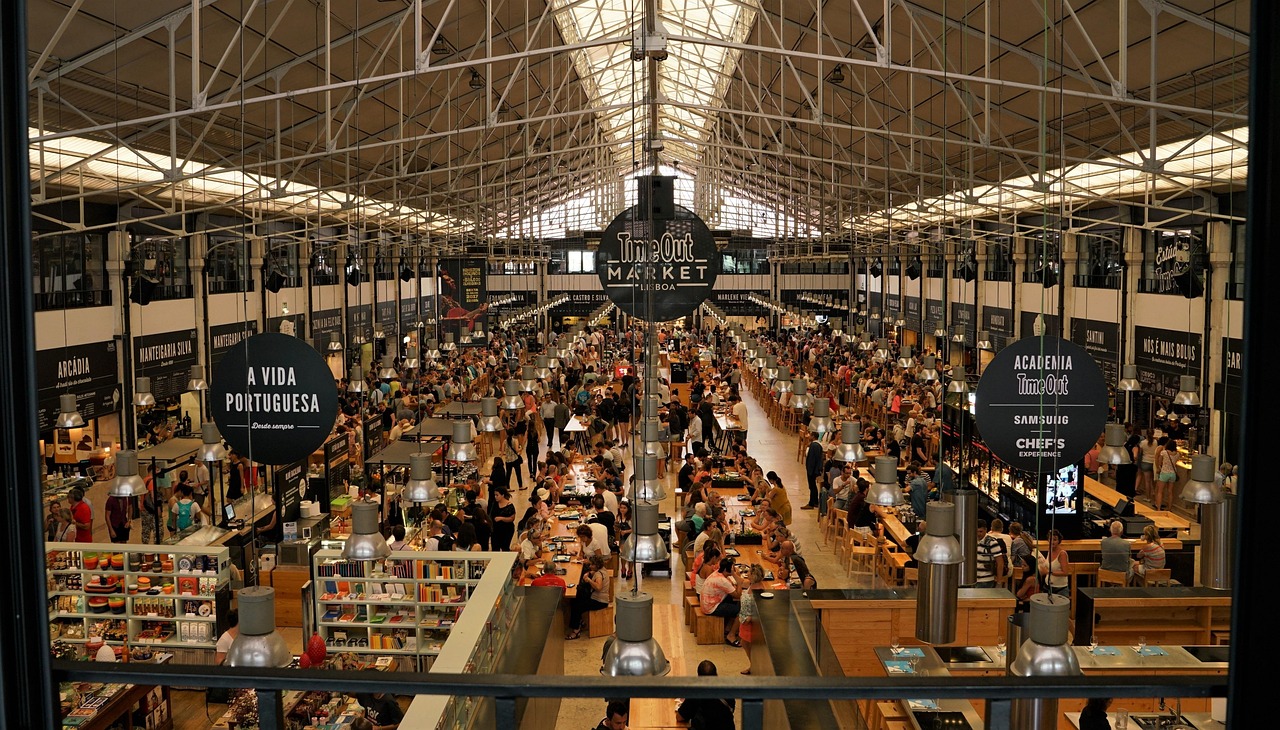
Bingo halls, deeply rooted in community and history, offer an unexpected opportunity to blend social interaction with sustainable practices. As we explore how these venues minimize their environmental impact, we also uncover a path forward for responsible entertainment.
Reducing Waste and Energy
Many bingo halls have embraced the "less is more" approach, focusing on minimizing waste and energy consumption. Simple changes like transitioning to LED lighting, encouraging paperless games, and adopting energy-efficient equipment significantly reduce their carbon footprint. Same-day bingo hall rentals can minimize the need for lengthy setup, cutting down on energy waste. Proper waste management, including recycling and composting, is integral to their sustainable efforts.
Green Cleaning and Security Measures
Trusted bingo hall security isn't just about protecting players; it also involves safeguarding the environment. Eco-friendly cleaning products, regularly updated air filtration systems, and efficient waste disposal systems contribute to a healthier indoor environment. The Canadian Bingo Heritage Guide emphasizes the importance of these practices, ensuring a positive experience for both patrons and the planet.
Community Engagement and Local Sourcing
Bingo halls can foster sustainability by engaging with the communities they serve. Partnering with local vendors for food and supplies reduces transportation emissions and supports area businesses. Hosting community events, such as eco-focused workshops or charity drives, strengthens the hall's role as a community center, aligning with its historical function in bingo hall history & culture.
Community Engagement: Green Initiatives in Action

In the heart of community engagement, many traditional bingo halls have evolved to embrace green initiatives, transforming their spaces and practices to minimize environmental impact. This shift is not merely about sustainability; it's a way to reconnect with the very fabric of bingo hall history & culture, where community welfare and social responsibility were core values. The Great Depression and World War II, for instance, saw bingo halls serve as community centers, offering not just entertainment but a sense of unity and support. Today, this legacy lives on as best local bingo halls implement eco-friendly practices.
Same-day bingo hall rentals, a popular service among local organizers, has been streamlined to reduce waste and energy consumption. From paperless ticket systems to reusable supplies, these halls are minimizing their carbon footprint while maximizing community engagement. Certified bingo hall trainers, who play a pivotal role in ensuring smooth operations, are now integrating sustainability workshops into their training curriculums, empowering staff to adopt green practices. This holistic approach extends to entertainment, with eco-themed promotions and events that educate players about environmental issues while fostering a sense of community.
Looking beyond the hall itself, some bingo halls are leveraging their spaces to support local green initiatives. Art Deco interiors, a common aesthetic in older halls, can double as a backdrop for art exhibitions or workshops focused on sustainability. These events not only attract players but also engage the broader community, fostering a culture of environmental awareness. By partnering with local charities and recycling programs, bingo halls can divert waste and contribute to the greater good, reinforcing their role as integral community hubs. This blend of entertainment, education, and social responsibility defines the modern approach to bingo hall history & culture, where sustainability is not an add-on but a core element.
Future of Bingo: Embracing Eco-Friendly Innovations

The future of bingo halls lies in embracing eco-friendly innovations, a shift that aligns with the evolving social and cultural landscape. As the industry navigates changing consumer preferences and a heightened awareness of environmental issues, top-rated bingo hall software and digital solutions are at the forefront of this transformation. These technologies offer not only enhanced player engagement but also significantly reduce the carbon footprint associated with traditional paper-based games. Digital bingo platforms enable same-day bingo hall rentals, minimizing waste and maximizing space utilization.
Bingo hall operators are increasingly recognizing the potential of sustainable practices to attract a new, environmentally conscious clientele. Professional bingo hall decorators are leveraging eco-friendly materials and designs to create visually appealing and immersive atmospheres. This trend not only reduces waste but also contributes to a more pleasant and responsible gaming experience. The integration of green initiatives, such as energy-efficient lighting and recycled decor, is becoming a hallmark of modern bingo halls.
Looking ahead, the industry must continue to innovate to stay relevant. Adopting digital solutions, minimizing waste, and promoting sustainable practices will not only benefit the environment but also enhance the overall bingo hall experience. Bingo Hall History & Culture, rich in community engagement and social interaction, can thrive by embracing these eco-friendly innovations. By doing so, bingo halls can ensure their longevity while contributing to a greener future.
Frequently Asked Questions About The Environmental Impact of Bingo Halls: A Sustainable Approach
What is the environmental impact of bingo halls? Bingo halls, like many large venues, have environmental footprints including energy consumption for lighting and heating, waste generation from operations, and transportation emissions from patrons. However, sustainable practices can significantly mitigate these impacts.
How can bingo halls reduce their carbon footprint? Implementing LED lighting, optimizing HVAC systems, and using renewable energy sources like solar panels can slash energy use. Waste reduction through recycling programs and responsible procurement practices also cuts environmental impact.
Are there examples of eco-friendly bingo hall operations? Yes, some bingo halls are leading the way in sustainability. One Canadian example, Bingo Hall History & Culture, has adopted green building practices, installed solar panels, and implemented a comprehensive recycling program, resulting in a notable reduction in their carbon footprint.
What role does community engagement play in a bingo hall's environmental sustainability? Community engagement fosters a sense of shared responsibility for the environment. Bingo halls can partner with local organizations to promote eco-friendly practices and educate patrons on sustainability, leading to collective behavioral changes that benefit the planet.
Can sustainable practices improve a bingo hall's bottom line? Absolutely. Reducing energy costs, waste disposal fees, and attracting environmentally conscious patrons can positively impact the hall's financial health. Positive public relations from eco-friendly initiatives can draw more customers.
How do sustainable bingo halls contribute to a broader environmental goal? By adopting and promoting sustainable practices, bingo halls can play their part in global efforts to combat climate change. Reducing their environmental impact also inspires others to do the same, creating a ripple effect for positive environmental change.
As we've explored the environmental impact of bingo halls through a historical and cultural lens, it's clear that these community spaces have evolved significantly over time. From their role during the Great Depression and World War II as community centers, to their modern adaptations to sustainable practices, bingo halls have proven their resilience and ability to meet changing needs. By understanding the bingo hall history & culture, we can appreciate the depth of their environmental footprint and the potential for positive change.
From construction materials and energy consumption to waste management and water usage, bingo halls, like any large gathering space, have a significant environmental impact. However, the industry's response has been encouraging. Embracing sustainable practices, such as energy-efficient lighting, recycling programs, and eco-friendly decorations, can significantly reduce their ecological footprint.
Community engagement is a powerful tool for driving green initiatives within bingo halls. Successful programs, like loyalty points for eco-friendly behaviors, have shown promise in increasing player retention and promoting sustainable habits. By fostering a sense of community and ownership around environmental issues, bingo halls can become models for sustainable entertainment.
Looking to the future, the integration of eco-friendly innovations, from digital signage to renewable energy sources, holds immense potential. By continuing to innovate and adapt, bingo halls can evolve while preserving their unique history & culture. These efforts not only benefit the environment but also strengthen the social fabric of communities they serve, demonstrating that sustainable practices and community engagement go hand in hand.
Bingo halls, steeped in history and culture, have evolved from community centers during depressions and wars to popular entertainment venues. Today, operators are embracing sustainability, from minimizing waste and energy to adopting eco-friendly materials and digital solutions. By integrating green practices, bingo halls can preserve their cultural legacy while reducing their environmental impact, attracting a new generation of conscious patrons, and ensuring their relevance in a changing world.