
The Great Depression cast a long shadow over America, leaving communities desperate for connection and economic relief. In this trying time, bingo halls emerged as more than just games of chance-they became pillars of community, offering a sense of belonging and a brief respite from hardship. This article examines the profound impact of bingo hall history & culture during the Great Depression, exploring how these spaces fostered social interaction, provided employment, and even played a role in war-time morale. By examining the operations, entertainment, and business strategies of the era, we uncover the enduring legacy of bingo halls as community hubs, offering valuable lessons for understanding their enduring appeal.
- The Rise of Bingo Halls: A Great Depression Solution
- Community Spaces: Bingo Halls as Social Hubs
- Economic Impact: Bingo's Role in Hard Times
- Cultural Significance: Bingo Hall Traditions and Heritage
- A Legacy Introduced: Bingo Halls in Modern Context
The Rise of Bingo Halls: A Great Depression Solution

During the Great Depression, as economic hardship gripped the nation, a new type of community gathering space emerged: the bingo hall. These establishments, often sprouting up in abandoned buildings or converted spaces, served as more than just venues for games; they became vital centers of social interaction, community building, and economic relief. The rise of bingo halls was not just a response to the times; it was a carefully cultivated solution designed to address the isolating effects of the Depression and provide a sense of normalcy and belonging.
Bingo hall history & culture offers a unique glimpse into this period, showcasing the ingenuity of communities across the country. These halls, often licensed and regulated by state gaming commissions, operated under strict gaming laws to ensure fairness and prevent the exploitation of vulnerable populations. The National Association of Bingo Halls played a crucial role in standardizing practices and promoting responsible gaming, fostering a sense of trust and community. The design of these spaces, influenced by the Art Deco movement, lent them an air of elegance and sophistication, providing a respite from the harsh realities of the outside world.
Same-day bingo events, affordable equipment, and accessible locations made these halls popular gathering spots. For just a few pennies per card, individuals could participate in games that offered a brief escape and the thrill of winning. Dauber pens and call numbers became tools of engagement, facilitating social interaction and friendly competition. The dopamine rush of a winning card, combined with the camaraderie of shared experiences, helped combat the isolation and despair of the era. For many, the nearest bingo hall to me became not just a place to play, but a sanctuary where they could connect with others and find a momentary reprieve from the hardships of daily life.
Canadian Bingo Heritage Guide's research underscores the importance of these spaces in communities across the country. By providing affordable entertainment and a sense of community, bingo halls played a significant role in maintaining social fabric during one of the nation's most challenging periods. For those looking to understand the resilience of communities in the face of adversity, exploring the history of bingo halls offers valuable insights into the human capacity for connection and adaptation.
Community Spaces: Bingo Halls as Social Hubs

Bingo halls, often seen as mere gaming establishments, played a pivotal role in fostering community during the challenging times of the Great Depression. These venues transcended their gaming functions to become the heartbeats of their neighborhoods, offering a sanctuary where people from all walks of life could gather, connect, and find respite from the economic turmoil. In the absence of community centers and other social hubs, bingo halls stepped up, providing a trusted space for social interaction, a sense of belonging, and much-needed relief from the gloom.
The Great Depression hit hard, leaving many families struggling to make ends meet. In this climate, the community-oriented nature of bingo halls became even more crucial. The rooms, often adorned with certified bingo hall decor reflecting the Art Deco style of the era, were designed to be welcoming and inclusive. The licensed bingo hall near me became a familiar, safe haven, where locals could gather, chat, and share stories over a game of bingo. This sense of community extended beyond the walls of the hall, as players often formed lasting friendships and supported one another during the difficult times.
The National Association of Bingo Halls, a sign of the industry's growth, played a vital role in maintaining these spaces as trusted community centers. They set standards for licensed bingo halls, ensuring they met the highest safety and security requirements. The certified bingo hall security measures in place instilled a sense of confidence among players, allowing them to fully immerse themselves in the social and entertainment aspects of the game. This balance between security and community fostered an environment where people could let their guards down, relax, and enjoy the camaraderie of their peers, a stark contrast to the hardships of the Great Depression.
The Canadian Bingo Heritage Guide highlights numerous stories of how bingo halls became the backbone of communities across the country. These spaces not only provided a means of entertainment but also served as venues for fundraising events, community meetings, and even temporary shelters during times of crisis. The enduring legacy of bingo halls as social hubs underscores their critical role in preserving community spirit during one of history's most challenging periods.
Economic Impact: Bingo's Role in Hard Times

During the Great Depression, bingo halls emerged as more than just gaming establishments; they became vital community centers, providing economic relief and social interaction in a time of profound hardship. As people faced unemployment and financial instability, bingo offered a rare source of income for both players and operators. The games, then typically played with cards and daubers, attracted crowds eager for a chance to win cash prizes, often modest but precious in an era of widespread poverty. This economic impact extended beyond the immediate financial gain, serving as a community-building mechanism that fostered connections and alleviated isolation.
The nearest bingo hall to many families became a haven, offering not just entertainment but also a sense of belonging. In an era when social services were limited, these halls provided emergency relief in the form of affordable or free meals and sometimes even temporary shelter. They became a central hub where people gathered, sharing stories, advice, and a collective spirit of perseverance. Bingo hall history & culture from this period is marked by resilience, with operators adapting to changing gaming laws and state regulations, such as the introduction of licensing requirements and the establishment of state gaming commissions. The hall's role as a community anchor was further solidified during World War II, when they continued to serve as recreational and social spaces, offering a brief respite from the war's hardships.
While the original purpose of bingo halls has evolved over time, the concept of a community gathering place remains a cornerstone of their enduring appeal. Today, best local bingo halls continue to thrive, leveraging the same principles of inclusivity and camaraderie that made them so vital during the Great Depression. Many modern halls offer loyalty programs and promotions, further incentivizing regular attendance and fostering a sense of loyalty among players. These efforts not only enhance player retention but also keep the tradition of bingo alive, reminding us of its enduring power to bring communities together, even in the most challenging of times.
Cultural Significance: Bingo Hall Traditions and Heritage
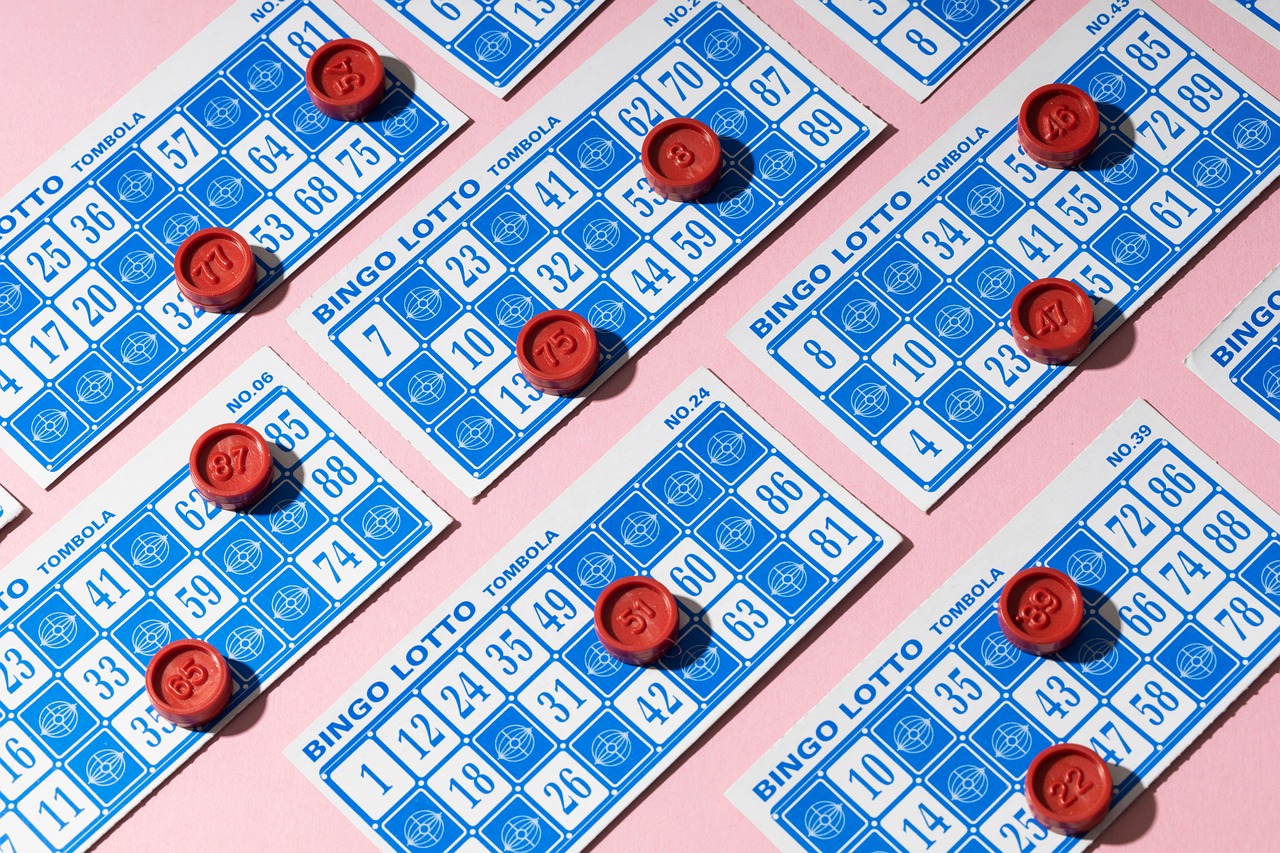
The bingo hall, a bastion of community during the Great Depression, wasn't just a place to play games; it was a cultural hub that nurtured traditions and fostered heritage. These halls, often nestled in the heart of communities, became the social fabric that bound people together. They provided a much-needed escape from the stark realities of the era, offering a sense of normalcy and camaraderie.
The cultural significance of bingo halls is evident in their unique traditions. Each hall developed its own lingo, call numbers, and rituals, creating a sense of identity and belonging. Professional bingo hall decorators would often incorporate the Art Deco aesthetic popular during the 1930s, adding a touch of glamour to the gaming environment. These halls also hosted emergency services, serving as community centers during times of need, reflecting their role as integral parts of the social safety net.
Bingo hall history & culture in Canada is rich and diverse, with the National Association of Bingo Halls playing a pivotal role in maintaining these traditions. The Canadian Bingo Heritage Guide showcases how these venues have evolved, from their humble beginnings as community gathering spots to their current status as niche entertainment centers. Today, some halls offer themed events, attracting players with promises of unique experiences. A "vintage bingo" night might feature vintage decor, music, and costumes, appealing to a nostalgic crowd.
By understanding the cultural significance of bingo halls, we can appreciate their role as more than just gaming venues. They are living museums, preserving the social history of communities across Canada. This heritage is not just about the games; it's about the stories, the connections, and the resilience of people coming together in times of both joy and hardship.
A Legacy Introduced: Bingo Halls in Modern Context

The legacy of bingo halls, once vibrant community hubs during the Great Depression, continues to resonate in modern times. These spaces, once steeped in historical and social significance, have evolved while retaining their core purpose: to bring people together. Today, professional bingo hall operators understand the power of these venues as community centers, offering more than just games. By leveraging the rich bingo hall history & culture, they create unique experiences that foster connections, spark memories, and build a loyal following.
In the current climate, bingo halls remain a cost-effective option for community engagement. Professional bingo hall decorators tap into the artistic flair of the Art Deco era, creating visually appealing spaces that evoke a sense of nostalgia. This strategic approach not only attracts players but also serves as a powerful marketing tool, appealing to a diverse range of audiences. Themed nights that celebrate the history of bingo, coupled with modern technology, can engage both younger and older generations.
The success of modern bingo halls lies in their ability to blend tradition with innovation. Loyalty programs, a contemporary practice, mirror the community-building aspects of their historical predecessors. By awarding loyalty points for frequent visits, bingo halls create a sense of belonging and encourage player retention. This strategy, coupled with effective promotions, ensures a steady stream of patrons. The Canadian Bingo Heritage Guide underscores the enduring appeal of these venues, reminding us that bingo halls, with their rich history and cultural significance, continue to play a vital role in fostering community connections.
Bingo halls emerged as a vital community resource during the Great Depression, serving as more than just games of chance. They became social hubs that fostered connections, provided economic relief, and preserved cultural heritage. By understanding bingo hall history & culture, we can recognize their enduring impact. These spaces not only entertained but also offered a sense of belonging and purpose, reminding us of humanity's resilience in challenging times. Moving forward, we can learn from this period to create inclusive community spaces that address modern needs, ensuring that bingo halls-and their spirit-continue to thrive.
Bingo halls during the Great Depression served as community anchors, providing economic relief, social interaction, and a sense of belonging. These spaces, regulated by state gaming commissions and promoted by the National Association of Bingo Halls, fostered resilience and connection. Today, modern bingo halls preserve this history & culture, leveraging tradition and innovation to create community hubs that bring people together.