
Bingo halls, far from being just games of chance, are woven deeply into the fabric of American pop culture and history. Their evolution reflects broader societal shifts, from the economic hardships of the Great Depression to the cultural vibrancy of World War II-era community centers. This article examines the fascinating journey of bingo hall history & culture, exploring how these venues have not only provided entertainment but also served as social hubs and economic engines. By tracing key milestones, from gaming laws and licensing requirements to the rise of player retention strategies, we uncover the multifaceted role bingo halls have played and continue to play in American life.
- Origins: Early Bingo Halls and Their Cultural Impact
- Post-WWII Boom: Popularization and Community Halls
- The 1970s: TV Influence and Commercialization
- Modern Era: Digital Bingo and Cultural Reimagining
- Community and Charity: Bingo Halls as Social Hubs
Origins: Early Bingo Halls and Their Cultural Impact
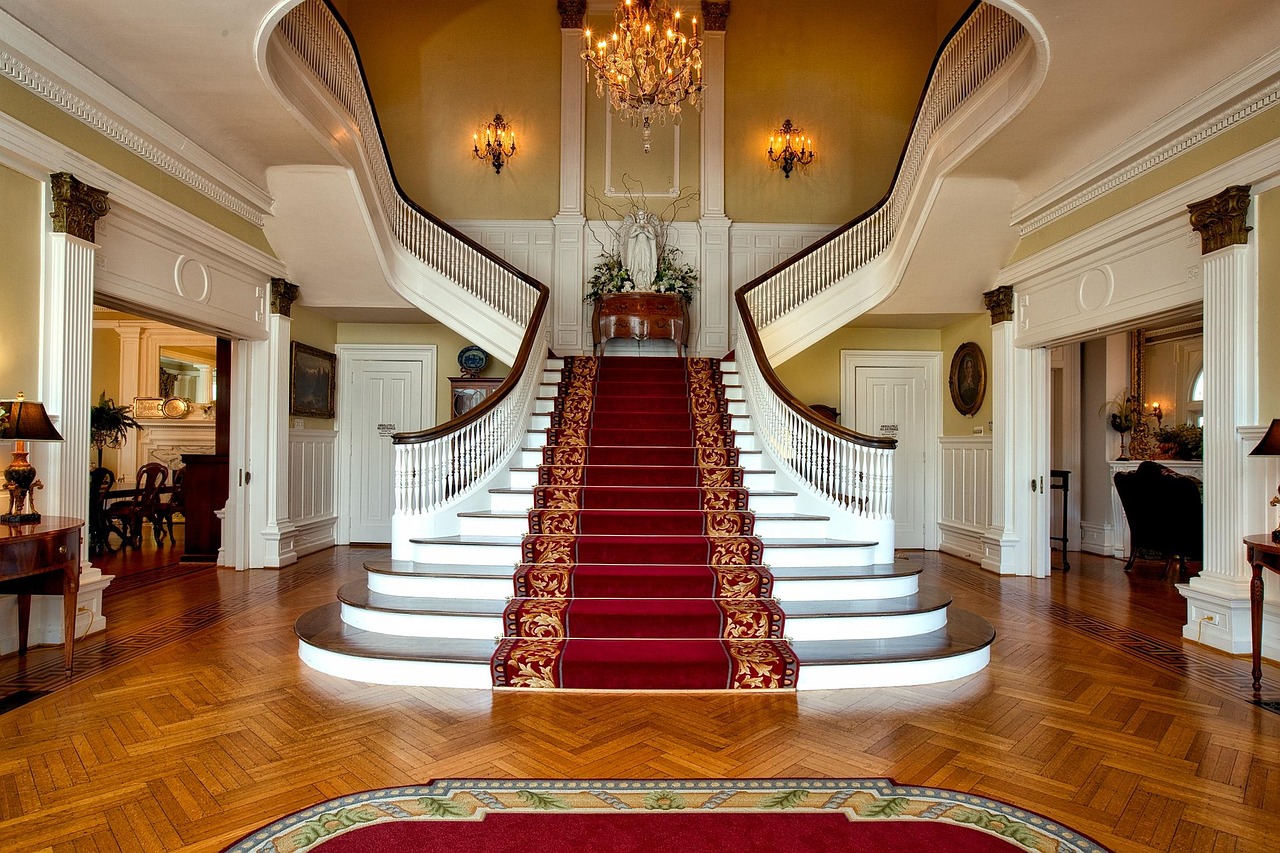
The origins of bingo halls are deeply rooted in the social and economic climate of early 20th century America. During the Great Depression, these community-centric spaces emerged as a cost-effective way to bring people together, offering both entertainment and a sense of camaraderie in a time of significant hardship. Bingo, with its simple rules and reliance on chance, became a popular past-time that didn't require a significant financial investment-a stark contrast to the expensive gambling options of the era. The first organized bingo halls often functioned as dual-purpose spaces, serving as community centers during the day and transforming into vibrant social hubs in the evening.
World War II played a pivotal role in the evolution of bingo halls, both in terms of their popularity and their cultural impact. As military personnel returned home, they brought with them stories of playing bingo in foreign lands, sparking a surge in interest back in the United States. This renewed popularity led to a proliferation of bingo halls across the country, many of which adopted the Art Deco aesthetic popular at the time, adding a touch of glamour to the otherwise humble venues. The post-war era saw bingo halls become a ubiquitous part of American pop culture, serving as venues not just for gambling, but also for community gatherings, fundraisers, and social events.
The Canadian Bingo Heritage Guide, among others, notes that during these formative years, bingo halls became a microcosm of American society, reflecting the cultural, economic, and social shifts of the times. They provided a space for people from all walks of life to interact, fostering a sense of community and belonging. The success of these early bingo halls lay in their ability to offer affordable entertainment that brought people together, a legacy that continues to shape their modern-day counterparts. Today, while technology has introduced digital bingo options, many traditional bingo halls remain vibrant cultural institutions, offering not just games but a sense of place and shared experience.
Post-WWII Boom: Popularization and Community Halls
After World War II, bingo halls experienced a surge in popularity, transforming from a mere game into a vibrant community hub. This post-war boom was fueled by a combination of economic recovery and a social need for connection. Many local bingo hall community events emerged as a way to bring people together, offering a sense of camaraderie and entertainment during a time of transition. The game's accessibility and simplicity resonated with a wide range of Americans, from blue-collar workers to stay-at-home mothers, making it a staple of local culture.
The top-rated bingo hall software of the era catered to this newfound demand, incorporating innovative features to enhance the player experience. These early software platforms aimed to streamline game organization, improve player engagement, and boost revenue. Digital dauber pens replaced traditional paper and markers, allowing for quicker game play and easier score tracking. This technological advancement, coupled with the game's growing popularity, led to a boom in bingo hall construction and expansion.
To ensure the highest standards, many new and existing bingo halls turned to certified bingo hall trainers. These professionals brought expertise in game rules, event management, and customer service, shaping the industry's culture and practices. Bingo Hall History & Culture, as seen in this era, exemplifies the power of community and entertainment, serving as a sign of the enduring appeal of bingo and its ability to adapt to changing times.
The 1970s: TV Influence and Commercialization
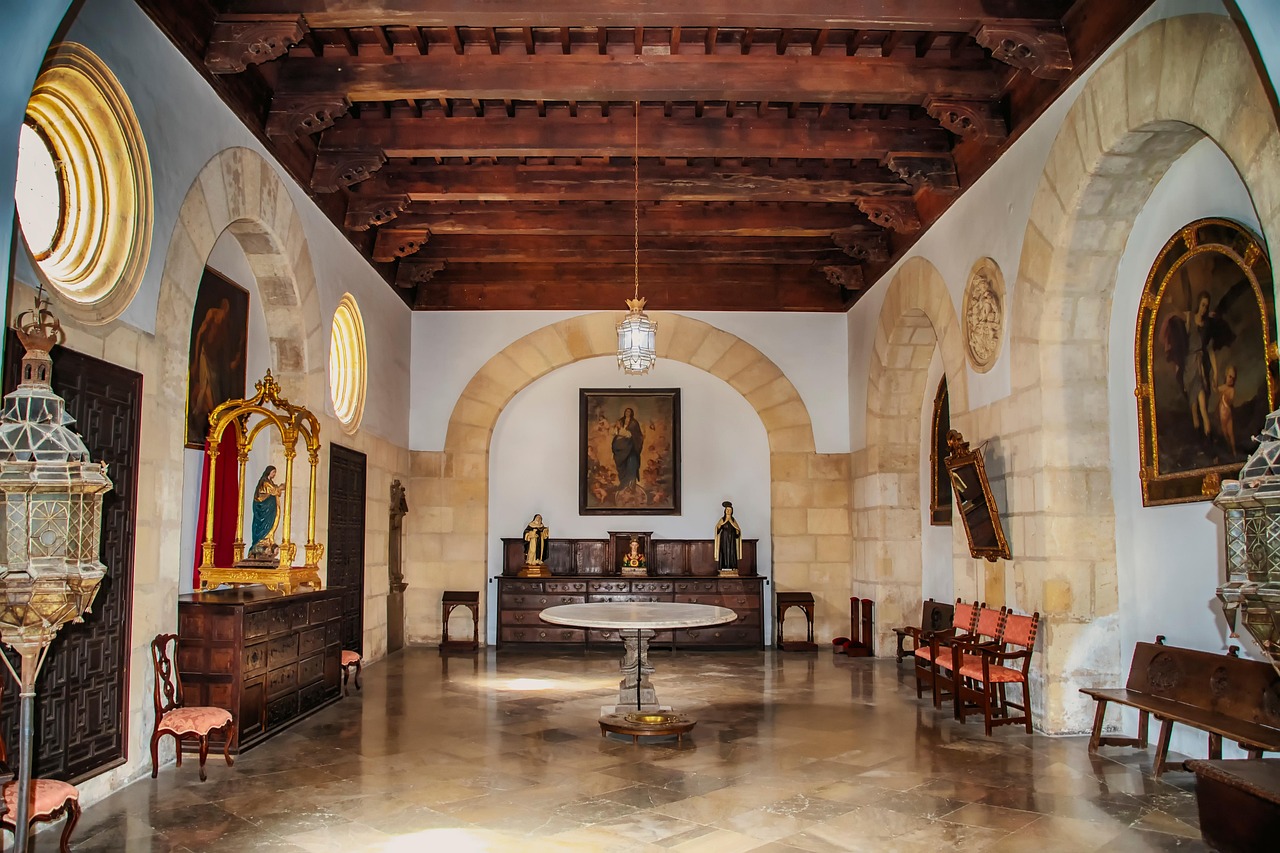
In the 1970s, bingo halls in America experienced a significant transformation as they adapted to cultural shifts and commercial demands. The rise of television played a pivotal role in shaping this era's bingo hall history & culture. Top-rated bingo hall experiences, once confined to community centers and social clubs, gained mainstream appeal through televised game shows. This period marked a shift from same-day bingo events to more structured, licensed operations, with state gaming commissions overseeing the industry.
The influence of TV shows like "The Price is Right" and "Let's Make a Deal" introduced bingo to a broader audience, commercializing the game and elevating its popularity. Bingo halls started to adopt more modern amenities, incorporating Art Deco design elements to attract a new generation of players. This trend further solidified the transition from local, grassroots gatherings to licensed bingo hall venues hosting games 1-3 times a week, catering to a diverse customer base.
Bingo lingo, once a staple of the gaming floor, evolved as these halls embraced a more commercial atmosphere. Call numbers, once passed down through generations, were standardized, and dauber pens gave way to more sophisticated marking tools. The 1970s also saw the emergence of loyalty programs, with early forms of loyalty points introduced as a way to encourage player retention. These innovations laid the groundwork for the modern bingo hall experience, demonstrating the dynamic nature of bingo hall history & culture.
Modern Era: Digital Bingo and Cultural Reimagining

In the modern era, bingo halls have undergone a significant transformation, adapting to technological advancements and evolving cultural landscapes. The introduction of digital bingo has been a pivotal shift in the industry, attracting a new generation of players and revitalizing the traditional game. This digital revolution has not only changed how bingo is played but also the role these halls play in American pop culture and community life.
Online platforms now offer virtual bingo experiences, making it accessible to a global audience. Players can connect from the comfort of their homes, participating in games hosted by licensed bingo halls around the country. This accessibility has led to an increase in player retention, as individuals can enjoy their favorite game at any time, breaking down geographical barriers. A player in a rural area can now play alongside urban residents, fostering a sense of community across distances. The digital transformation has also opened up new avenues for marketing and promotions, allowing bingo halls to reach a wider audience. Loyalty programs, often utilizing points or rewards systems, have become a common strategy to encourage repeat visits and engagement.
Despite the rise of digital bingo, the core culture and social aspects of these halls remain intact. Bingo Hall History & Culture continues to thrive, with many traditional halls still operating and hosting games regularly. Some even offer unique variations, incorporating modern themes and entertainment to cater to diverse audiences. This blend of old and new has created a dynamic environment, where emergency bingo hall services-once a staple during challenging times like the Great Depression and World War II-now serve as community gathering spaces for all. For those seeking a nearest bingo hall to visit, these establishments remain integral to local communities, offering more than just games; they provide a place for social interaction and entertainment.
Community and Charity: Bingo Halls as Social Hubs
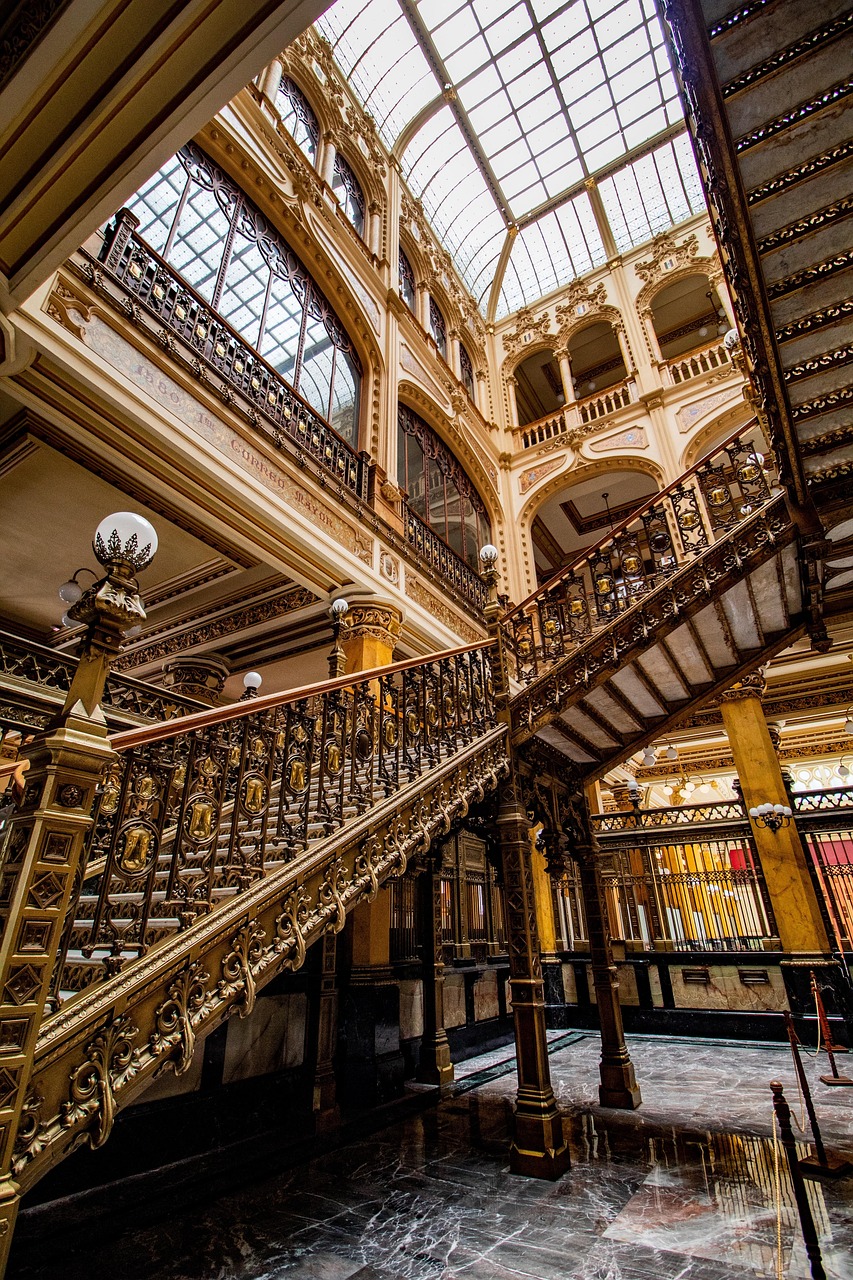
Bingo halls have long served as more than just venues for chance and camaraderie; they have been vital social hubs, deeply embedded in American community and charity. Throughout the Great Depression and World War II, bingo halls became critical gathering places, offering not only entertainment but also a sense of community and support. These establishments, often modeled after popular Art Deco design, acted as community centers, fostering connections among neighbors and providing a respite from the hardships of the era. The National Association of Bingo Halls, for instance, played a crucial role in coordinating and promoting these social spaces, ensuring they remained accessible and vibrant during challenging times.
As the popularity of bingo grew, these halls evolved to cater to a diverse range of patrons, from the elderly to young families. They became platforms for community events, fundraisers, and charity initiatives, further solidifying their role as trusted community assets. Top-rated bingo hall software and licensed hosting platforms, now essential for secure and fair gaming, were not the primary focus in these early years. Instead, the emphasis was on creating a welcoming atmosphere, where people of all backgrounds could come together. Trusted bingo hall security, though now a standard, was not a concern in the same way, as the camaraderie and mutual respect among patrons served as a de facto safety net.
The legacy of bingo halls as community and charity centers continues to this day, with many licensed bingo hall operations now incorporating loyalty programs and points to encourage player retention. These modern initiatives build on the foundational principles of fostering a sense of belonging and rewarding loyalty. A well-run bingo hall might host regular charity nights, using the game as a catalyst for fundraising and community engagement. This evolution demonstrates the adaptability of bingo halls in American pop culture, transitioning from social hubs during tough economic times to dynamic spaces that combine entertainment with community service. Bingo Hall History & Culture, then, is not just about playing a game; it's about building and sustaining the fabric of American communities.
Bingo halls have played a dynamic role in American pop culture, evolving from modest community centers during the Great Depression to vibrant social hubs shaped by global events. The post-WWII era saw a surge in popularity, transforming bingo from a game to a cultural phenomenon, while the 1970s introduced TV's influence, commercializing the experience. Today, the modern era has brought digital bingo, revitalizing the industry and allowing it to adapt to changing times. Throughout history, bingo halls have not only entertained but also served as essential community spaces, fostering connections and raising funds for charitable causes. By understanding this rich bingo hall history & culture, operators can modernize and innovate, ensuring these institutions continue to thrive as dynamic cultural landmarks. The next step is to apply these insights to develop inclusive, engaging spaces that cater to diverse players, preserving the heart of bingo hall tradition while embracing the future.
Bingo halls emerged during the Great Depression as community-focused spaces, offering entertainment and camaraderie. Post-World War II, they proliferated, reflecting social shifts and becoming a staple of American pop culture. In the 1970s, TV shows commercialized bingo, leading to more structured operations. Today, digital bingo has transformed the industry, keeping halls relevant while preserving their history & culture as vibrant community hubs. Despite technological advancements, bingo halls maintain their role as social centers, offering a unique blend of tradition and modern entertainment.