
Bingo halls, with their vibrant communities and rich history, are more than just games of chance. They've been integral to the social fabric, offering refuge and entertainment during pivotal times like the Great Depression and World War II. Today, understanding the unique language of bingo halls is essential for anyone stepping into these spaces. The jargon, from "call numbers" to "dauber pens," isn't just playful; it's a cultural artifact, reflecting the evolution of these community centers. This guide examines the heart of bingo hall history & culture, demystifying lingo, and providing insights into the operations and entertainment that make these venues so beloved. By the end, you'll grasp the social significance and be ready to navigate any bingo hall conversation.
- Unraveling Bingo's Origins: A Journey Through Time
- Common Calls: Understanding Core Bingo Hall Terms
- Beyond Bingo: Exploring Game Variations and Culture
- The Social Scene: Bingo Halls as Community Hubs
- Modern Bingo: Adapting to Changing Times and Trends
Unraveling Bingo's Origins: A Journey Through Time

The origins of bingo, a game that has captivated communities worldwide, are deeply intertwined with the social and historical fabric of the past century. Understanding where bingo came from offers a glimpse into the spirit of resilience and entertainment during challenging times, particularly the Great Depression and World War II.
In its early days, bingo emerged as a community-building activity in churches and community centers. These venues provided much-needed social interaction and a distraction from the hardships of the era. The National Association of Bingo Halls, formed to regulate and promote the game, played a pivotal role in its growth. This period saw the adoption of art deco aesthetics in bingo halls, reflecting the modern design trends of the time. The game's evolution was not just about mechanics; it was a cultural phenomenon that offered a sense of normalcy and camaraderie during tumultuous times.
Top-rated bingo hall software today still echoes these historical roots, preserving the essence of the game while incorporating modern technology. The best local bingo halls, many of which have stood the test of time, serve as living testaments to this rich history. Trusted bingo hall security measures, though a modern necessity, ensure that the spirit of inclusivity and fun that characterized the game's origins remains intact, allowing players to enjoy bingo without concern.
By exploring these historical connections, players can gain a deeper appreciation for the game they love. Bingo Hall History & Culture, as a field of study, offers a unique lens into the human spirit's ability to find joy and connection even in the most challenging periods, making it a fascinating journey through time.
Common Calls: Understanding Core Bingo Hall Terms
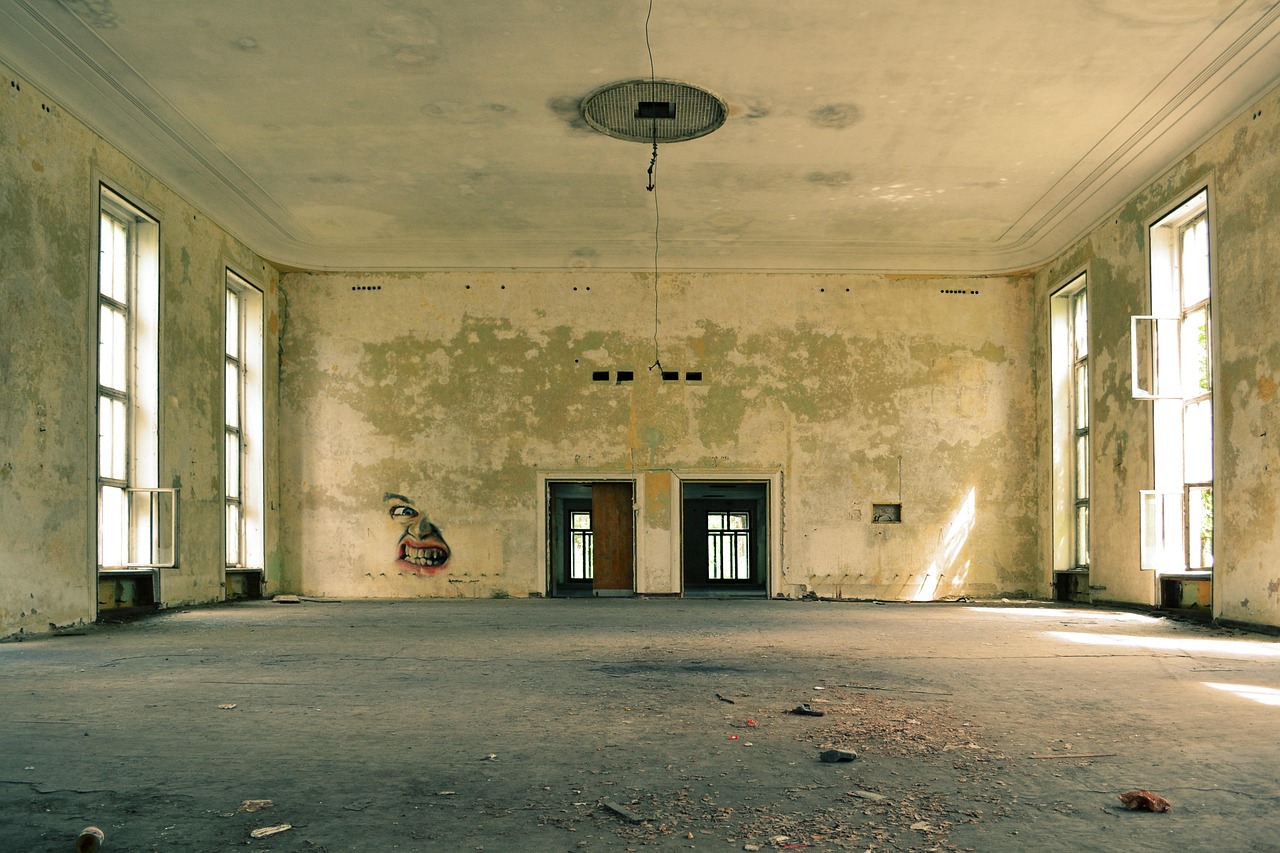
The language of bingo halls, or bingo hall lingo, is as integral to the experience as the numbers on the cards. For newcomers, understanding these terms can seem overwhelming, but grasping even a few key phrases can enhance your enjoyment and participation. Many of these calls have deep roots in bingo hall history & culture, evolving from the social and economic contexts of their time. The term "dauber" refers to the pen used to mark numbers, a practical term that has endured due to its simplicity and effectiveness.
At the core of bingo hall communication are the call numbers, each assigned to a specific space on the card. These numbers, ranging from 1 to 75 (or sometimes 80), act as a shared language among players, creating a sense of camaraderie. The host, or caller, plays a crucial role in the rhythm of the game, using clear, distinct voices to announce each number. This practice dates back to the early days of bingo halls, where clarity was essential in venues that often hosted large crowds, and the need for affordable bingo hall equipment was paramount.
Understanding these fundamental terms is just the beginning. The Canadian Bingo Heritage Guide highlights the importance of licensed bingo halls, where players can enjoy a safe and regulated gaming environment. Here, player retention becomes a key focus, with hosts employing various strategies to keep the game engaging and the crowd entertained. From quick announcements to interactive games within the game, these techniques not only maintain the energy but also educate players about the history and culture of bingo halls. A caller might exclaim, "Come on, folks! We're hitting the 25s, so mark your cards sharp!"
Beyond Bingo: Exploring Game Variations and Culture

Beyond the walls of a bingo hall, a vibrant culture thrives, reflecting its rich history and diverse community. Understanding the variations in bingo games is crucial for players looking to understand local installations. The history of bingo itself is deeply intertwined with social and economic shifts, from its emergence during the Great Depression to its popularity as a form of entertainment during World War II. This cultural phenomenon has evolved, with each region adopting its unique spin on the classic game.
In Canada, exploring the best local bingo halls reveals a mix of community engagement. Many licensed bingo halls near me serve as hubs for social interaction, offering more than just games; they provide a sense of belonging and entertainment for all ages. The Canadian Bingo Heritage Guide showcases the diversity of these establishments, from traditional community centers to modern venues featuring Art Deco designs. Each hall has its own character, from the call numbers and dauber pens to the lively chatter and the dopamine rush of winning. Emergency bingo hall services, for instance, demonstrate the industry's adaptability to unforeseen circumstances, ensuring players can enjoy the game safely and comfortably.
Game variations, from 75-ball to 90-ball bingo, offer players diverse experiences. Each variation has its own set of rules, call numbers, and strategies, adding depth to the cultural fabric of bingo. 90-ball bingo, popular in the UK, introduces a second set of numbers, increasing the challenge and excitement. Understanding these nuances is essential for players looking to master the game and appreciate its rich cultural heritage. By examining the various forms of bingo, players can gain a deeper connection to the social and historical significance of these establishments.
The Social Scene: Bingo Halls as Community Hubs
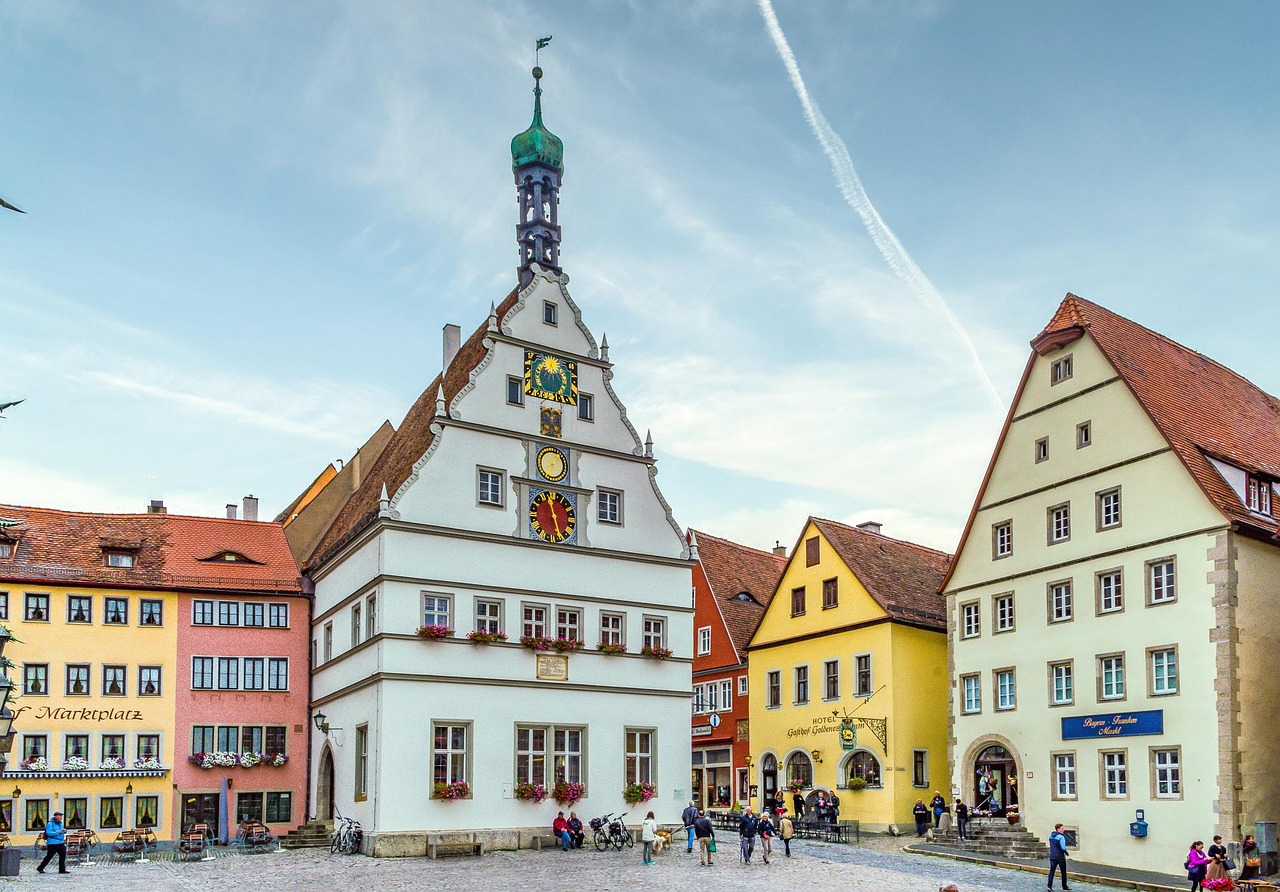
Bingo halls have long served as more than just gaming establishments; they've been community hubs for decades, deeply rooted in bingo hall history & culture. These spaces have fostered connections, provided social outlets, and offered a sense of belonging, especially during challenging times like the Great Depression and World War II. In many communities, the nearest bingo hall to me has become a gathering place for all ages, from seniors reminiscing about the past to younger patrons enjoying a fun night out.
The social scene at bingo halls is vibrant and diverse. Players come from all walks of life, united by a shared love for the game. The buzz of conversation, laughter, and friendly banter fills the air, creating a lively atmosphere that goes beyond the dauber pens and call numbers. This social aspect is a significant draw, especially for those who may feel isolated or lack other community connections. The sense of camaraderie among players is a sign of the role bingo halls have played in preserving and nurturing community bonds.
Same-day bingo hall rentals and pop-up events have become a popular way to bring communities together for special occasions or fundraising efforts. These temporary setups can be found in various settings, from community centers to schools, showcasing the adaptability of bingo halls as community hubs. Certified bingo hall trainers often collaborate with local organizations to host these events, ensuring a smooth and enjoyable experience for all participants. The Canadian Bingo Heritage Guide even highlights the historical significance of bingo halls as community anchors, particularly in rural areas where they filled a vital social void. By understanding and embracing this social fabric, bingo halls continue to thrive as essential cultural institutions in modern society.
Modern Bingo: Adapting to Changing Times and Trends

Modern bingo halls have undergone a remarkable transformation, reflecting the dynamic nature of the industry and adapting to the evolving preferences of players. In the past, bingo was often associated with traditional community centers and social gatherings, deeply rooted in the rich bingo hall history & culture of many communities. However, with technological advancements, the game has embraced the digital age, offering exciting opportunities for growth and innovation. Top-rated bingo hall software now enables virtual games, expanding the player base and providing accessibility from the comfort of home. This shift is particularly appealing to younger generations who may not have the time or preference for in-person gaming.
The transition to online bingo has been a major improvement, but it doesn't mean the end of the line for physical bingo halls. Many players still value the social aspect and the sense of community that comes with playing in a traditional setting. As a result, modern bingo halls are finding new ways to engage and attract players. Affordable bingo hall history and the nostalgia factor play a significant role in this strategy. By incorporating elements of the past, such as Art Deco design or classic call numbers, halls create a unique atmosphere that resonates with both longtime fans and curious newcomers. Some venues offer themed nights, bringing back popular games from different eras and appealing to a wide range of players.
To thrive in the current market, bingo halls must stay agile and responsive to trends. Implementing player retention strategies, such as loyalty programs and promotions, has become essential. These initiatives not only encourage repeat visits but also foster a sense of community within the hall. Loyalty points can be redeemed for discounts on merchandise or food, creating a fun and rewarding experience for regular players. By combining the traditional charm of bingo hall history & culture with modern marketing techniques, venues can ensure their longevity and appeal to diverse audiences, making the game accessible and exciting for all.
Throughout this guide, we've explored the vibrant history and diverse culture of bingo halls, from their humble beginnings during the Great Depression and their rise during World War II to their evolution as community hubs. We've demystified bingo lingo, uncovering the significance of call numbers and the art of dauber pen use. Beyond the traditional game, we've explored various variations and the social scene that surrounds these venues. Today, bingo halls adapt to modern times, incorporating technology and marketing strategies to engage a new generation. By understanding the rich bingo hall history & culture, operators can create immersive experiences that resonate with players, fostering a sense of community and entertainment that transcends generations. The insights gained offer a roadmap for success in this enduring industry.
Bingo halls, steeped in bingo hall history & culture, have evolved from community-building spaces during challenging times to vibrant cultural hubs. The game's origins, rooted in resilience and entertainment, are preserved in modern software and physical venues. Key terms, call numbers, and licensed halls foster a sense of inclusivity and camaraderie. Game variations and community events showcase the industry's adaptability. Despite the digital shift, traditional halls thrive by blending nostalgia with modern marketing, appealing to diverse audiences. Understanding this history offers players a deeper connection to the game and its cultural significance.