
Bingo halls, with their vibrant history and cultural significance, have long been a cornerstone of American communities, reflecting the nation's evolving social and economic landscape. Despite their humble appearance, these establishments have played a pivotal role in pop culture, serving as venues for social interaction, fundraising, and entertainment across generations. However, understanding their evolution requires a journey through time, exploring how bingo halls have adapted to changing regulations, cultural shifts, and technological advancements. This article examines the rich mix of bingo hall history & culture, offering a comprehensive timeline that showcases their enduring appeal and influence on American life.
- Early Beginnings: The Global Impact on American Soil
- Post-WWII Boom: Social Spaces and Community Building
- The 1970s and 80s: From Local Halls to National Sensation
- Cultural Significance: Beyond Games, a Social Fabric Weaving
- Modern Era: Adapting to Technology, Preserving Tradition
Early Beginnings: The Global Impact on American Soil

The global phenomenon of bingo, with its rich history and cultural significance, made its way to American soil in the early 20th century, leaving an indelible mark on the nation's pop culture. This journey began during challenging times, with the Great Depression and World War II shaping the social fabric and the role of community spaces. Bingo halls emerged as more than just gaming venues; they became pillars of community engagement, offering affordable entertainment and a sense of camaraderie.
In the early 1900s, the concept of licensed bingo halls near me was introduced, with the first official hall opening its doors in the 1920s. These early installations were often housed within community centers, catering to diverse populations and fostering a sense of belonging. The Art Deco style, popular during this era, influenced the halls' architecture, creating visually appealing spaces that became iconic landmarks in many towns. The National Association of Bingo Halls (NABH) was established, setting standards and promoting responsible gaming practices, which remain crucial in bingo hall history & culture today.
The local bingo hall community events of this period were diverse and inclusive, attracting people from all walks of life. From charitable fundraisers to social gatherings, these halls served as versatile spaces that brought people together. Bingo became a cultural touchstone, with its unique lingo and call numbers, creating a shared experience across communities. This era laid the foundation for bingo halls to become deeply ingrained in American society, influencing pop culture and fostering a sense of community long after the initial global impact.
By the post-war years, bingo halls had evolved into vibrant entertainment hubs, offering more than just games. They became centers for player retention, with loyalty programs and points systems, similar to those seen in modern-day establishments. These strategies, while refined over time, have their roots in the early days of affordable bingo hall history, where the focus was on building and maintaining a dedicated community.
Post-WWII Boom: Social Spaces and Community Building

After World War II, bingo halls experienced a surge in popularity across the United States, serving as more than just games of chance; they became vibrant social spaces and community hubs. This post-war boom reflected a nation's need for entertainment and a sense of camaraderie in the wake of the global conflict. Bingo hall history & culture during this period was characterized by a unique blend of social interaction, community building, and economic viability.
Many of these venues adopted a suburban focus, transforming into community centers that offered not only bingo but also various social activities, from dance classes to card games. The reliable management of these halls was crucial to their success, with state gaming commissions overseeing licensing requirements and ensuring fair play. This era saw the rise of art deco design in bingo halls, adding a touch of glamour to the gaming experience. The space became a place where neighbors gathered, fostering a sense of belonging and camaraderie, much like community centers today.
The social aspect of bingo halls was enhanced by the development of niche themes, which attracted diverse player bases. Themed halls could replicate the ambiance of a luxurious cruise or a cozy library, encouraging players to dress up and immerse themselves in the experience. This strategic marketing approach, coupled with top-rated bingo hall software, allowed these establishments to maintain a high level of player retention. The Canadian Bingo Heritage Guide even highlights how these venues became integral parts of local communities, hosting fundraisers and charity events, solidifying their role as social and economic anchors.
The 1970s and 80s: From Local Halls to National Sensation
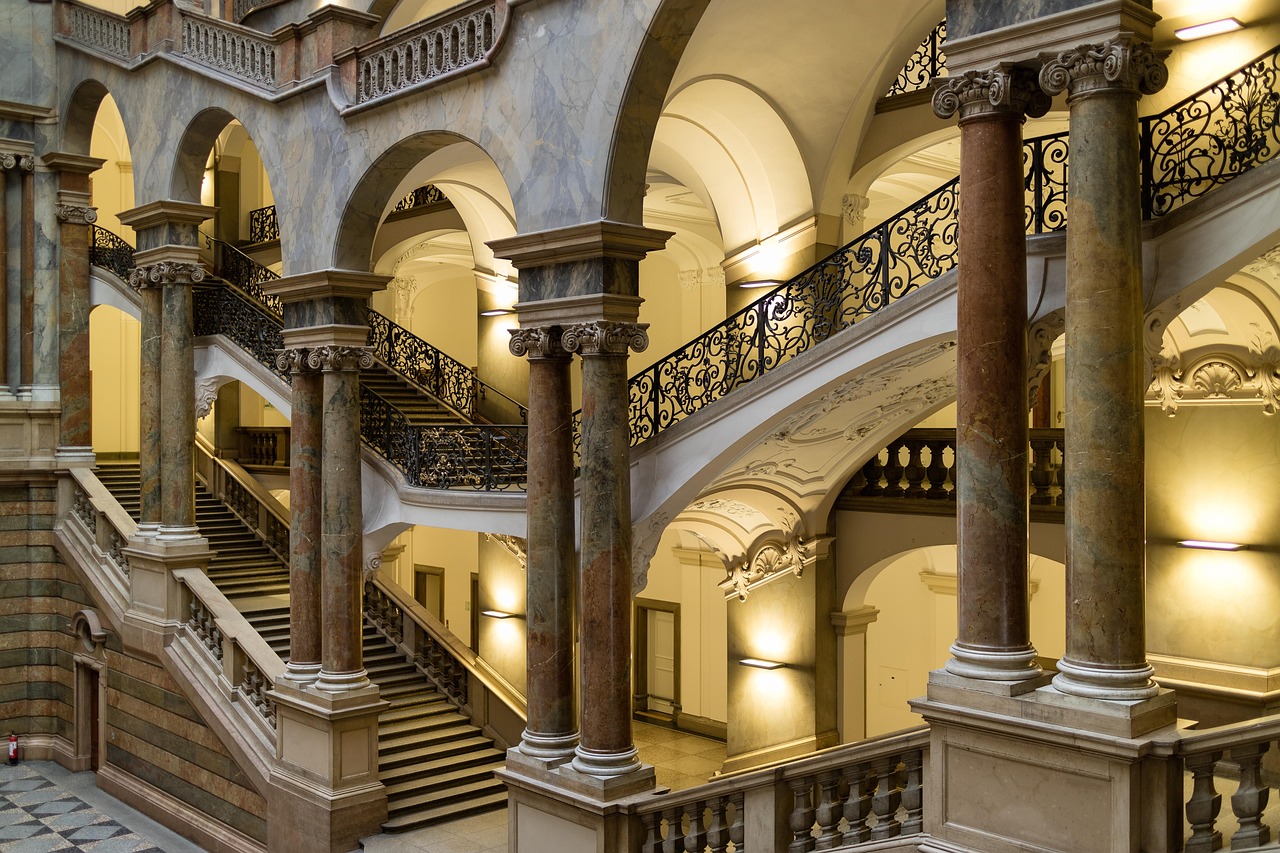
In the 1970s and 80s, bingo halls in America underwent a transformation from largely local institutions to a nationwide phenomenon, capturing the hearts and wallets of millions. This era witnessed a surge in popularity, driven by a combination of economic factors, changing leisure trends, and the emergence of professional and trusted bingo hall operators. The Great Depression and World War II had left a lasting impact on American society, with community centers, including bingo halls, becoming essential gathering places and a source of social interaction.
The 70s and 80s saw the rise of state gaming commissions and stricter gaming laws, which, paradoxically, contributed to the growth of bingo halls. Licensing requirements and regulated operations ensured a safer, more professional environment, attracting a broader demographic. Bingo hall history in this period was marked by an emphasis on entertainment, with art deco aesthetics enhancing the gaming experience. The introduction of same-day bingo hall rentals and affordable entry fees further democratized access, making bingo a truly national sensation.
Professional operators recognized the potential of bingo as a community event, investing in infrastructure and marketing strategies. The National Association of Bingo Halls was established to represent the interests of these operators, fostering a culture of quality and innovation. By the 80s, bingo had evolved from a simple game to a vibrant cultural phenomenon, with its own unique lingo and call numbers, solidifying its place in American pop culture. This era laid the foundation for the modern bingo hall industry, combining tradition with regulation to create a sustainable and engaging entertainment venue.
The success of bingo halls in this era can be attributed to their ability to adapt to changing times, while retaining a strong sense of community and tradition. Drawing inspiration from the past, today's bingo halls continue to thrive, with many drawing inspiration from the affordable and accessible spirit of the Canadian Bingo Heritage Guide, ensuring bingo remains a beloved pastime for generations to come.
Cultural Significance: Beyond Games, a Social Fabric Weaving
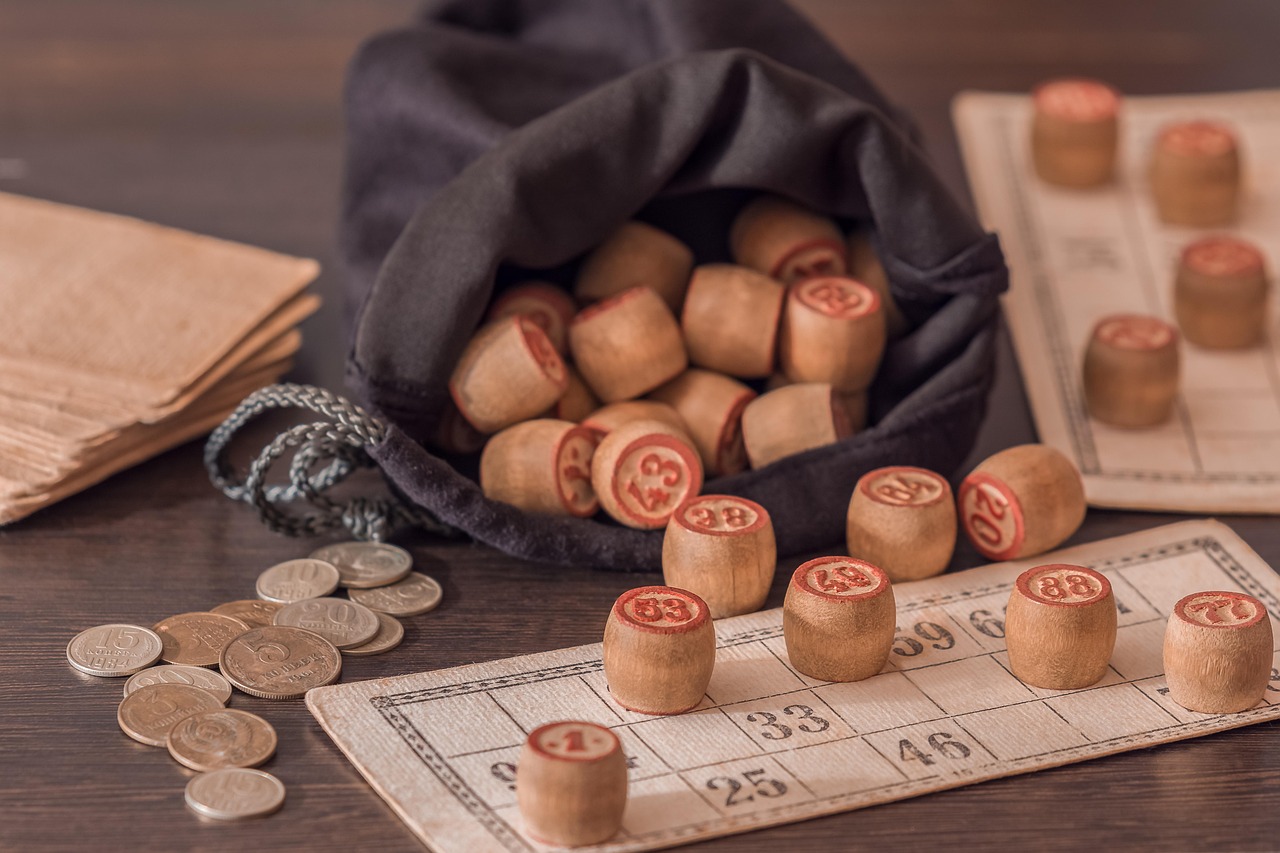
Bingo halls, once bustling community centers, have woven a rich mix into American pop culture, transcending the simple act of playing games. Their cultural significance extends far beyond the daubers and numbers, serving as a microcosm of social change, economic shifts, and community bonds. Bingo hall history & culture reflects the broader American experience, from the lean years of the Great Depression to the post-war prosperity of the 1950s. These venues not only provided entertainment but also served as safe spaces for social interaction, fostering a sense of belonging and camaraderie.
During the Great Depression, bingo halls became popular as cost-effective ways to bring communities together. In an era when money was tight, the low-stakes games offered a welcome diversion and a sense of camaraderie. World War II further cemented their role as community hubs, hosting fundraisers and events that supported the war effort. The post-war period saw bingo halls reach their peak popularity, becoming a symbol of American optimism and social engagement. The 1950s and 60s were a time when art deco architecture adorned many halls, reflecting the era's glamour and sophistication. This cultural significance extended beyond the games; bingo halls became touchstones for local identities, hosting everything from school dances to political rallies.
As the years passed, bingo hall history & culture evolved, but its role as a social fabric remained vital. Today, these venues continue to thrive, often incorporating modern marketing strategies to attract players. Many halls offer loyalty programs and promotions, leveraging technology to enhance the player experience while maintaining the traditional charm. Despite the rise of digital entertainment, the nearest bingo hall to me remains a cherished institution, offering a unique blend of nostalgia and excitement. Trusted bingo hall security ensures a safe environment, fostering peace of mind and encouraging a sense of community. By understanding and preserving this cultural heritage, we not only honor the past but also enrich the social fabric of our present.
Modern Era: Adapting to Technology, Preserving Tradition
As the 20th century progressed, bingo halls found themselves at a crossroads, facing the same challenge many traditional institutions did during the digital age: adaptation. The rise of modern technology and changing consumer habits demanded a new approach to preserving the beloved game's cultural significance while ensuring its longevity. Bingo hall history & culture, rich with social interaction and community building, had to evolve to stay relevant.
In response, many bingo halls embraced same-day rental services, transforming from static venues to adaptable spaces that could accommodate a variety of events. This shift allowed them to host not only traditional bingo games but also community meetings, birthday parties, and even emergency services, showcasing their versatility as community hubs. The ability to quickly adapt to different needs became a defining characteristic of successful bingo hall operations, reflecting the dynamic nature of American pop culture.
The digital revolution prompted the development of licensed bingo hall hosting services, where professional organizers could take over operations for special events. This model not only ensured consistent quality but also allowed for the occasional hosting of large-scale events, such as fund-raisers or themed nights, that drew from outside the regular bingo player base. The Canadian Bingo Heritage Guide, for instance, has documented numerous examples of how these services have revitalized local bingo halls, attracting new generations while preserving the hallowed traditions of the game.
To maintain player retention, many modern bingo halls implemented loyalty programs, offering points for frequent visits and special perks for dedicated players. This strategy, coupled with innovative marketing strategies that leverage social media and digital platforms, has allowed bingo halls to thrive in the modern era. By combining the warmth of community tradition with a willingness to embrace change, bingo halls continue to play a vital role in American pop culture, as evidenced by their enduring popularity and continued evolution.
Throughout their long and vibrant history, bingo halls have evolved from humble community centers to cultural institutions deeply woven into the fabric of American society. From the economic hardships of the Great Depression to the post-war social boom and the technological advancements of today, bingo halls have consistently adapted, serving as essential gathering spaces that foster community, entertainment, and social interaction. As the National Association of Bingo Halls attests, these venues are not just about games; they are cultural touchstones that have shaped our pop culture and continue to do so.
By understanding the historical and social context in which they emerged, the operational nuances that keep them running, and their profound cultural significance, we gain valuable insights into the role of bingo halls in shaping American life. This knowledge not only enriches our appreciation for these spaces but also guides their evolution, ensuring they remain vibrant centers of community and cultural exchange. Moving forward, the practical applications are clear: preserving tradition while embracing technological advancements, cultivating player retention through innovative marketing, and leveraging loyalty programs to strengthen community ties. The legacy of bingo hall history & culture is one that we can continue to build upon, making these spaces even more integral to our collective American experience.
Bingo halls in the United States have evolved from community centers during the Great Depression and World War II to vibrant entertainment hubs, reflecting broader social and economic shifts. They became pillars of community engagement, fostering a sense of belonging and camaraderie. In the 1970s and 80s, they became a nationwide phenomenon, driven by economic factors and changing leisure trends. Today, they adapt to the digital age, preserving their cultural heritage while leveraging modern technology and marketing strategies to thrive. Bingo hall history & culture is a sign of their enduring role in American pop culture.