Bingo halls have long been a cornerstone of community engagement and social interaction, especially during challenging times in our nation's history, such as the Great Depression and World War II. Beyond their role as community centers, bingo halls have a unique and rich culture, evident in their lingo and entertainment. However, for newcomers, navigating this world can be confusing. This beginner's guide aims to demystify the terms, rules, and social dynamics that make bingo halls such vibrant hubs of activity, offering a glimpse into the diverse and captivating history and culture that surrounds these beloved institutions. By the end, you'll be equipped to join in the fun with confidence.
- Achieving Bingo's Origin: A Journey Through History
- Common Calls: Recognizing Core Bingo Hall Terms
- Beyond Numbers: Cultural Significance of Bingo Calls
- The Social Scene: Bingo Hall Interactions and Etiquette
- Evolving Lingo: Trends in Modern Bingo Halls
Achieving Bingo's Origin: A Journey Through History
Introducing the rich mix of bingo hall history & culture offers a fascinating journey into the heart of community entertainment. The origins of bingo can be traced back to the Great Depression and World War II, when community centers served as vital hubs for social interaction and morale-boosting. In these challenging times, bingo provided a much-needed distraction, fostering a sense of camaraderie and shared experience.
Over time, bingo evolved from its humble beginnings to become a top-rated bingo hall experience, embraced by diverse communities across the nation. The post-war era saw the rise of professionally designed bingo halls, incorporating elements of Art Deco and other stylish aesthetics. These venues became not just places to play, but cultural landmarks that brought people together. The licensed bingo hall near me, as we know it today, is a sign of the enduring appeal of this game and its ability to adapt to changing times.
Bingo hall history & culture is a living, breathing phenomenon, shaped by the regulations and licenses enforced by state gaming commissions. These bodies ensure fair play and responsible gaming, contributing to the longevity of the game. The National Association of Bingo Halls, for instance, has played a crucial role in promoting the interests of the industry and its dedicated patrons. Understanding this history provides a deeper appreciation for the dopamine rush of a winning dauber pen, the thrill of calling out "Bingo!" and the camaraderie that has bound communities together for generations.
Common Calls: Recognizing Core Bingo Hall Terms
In any bingo hall, the flow of conversation is as integral to the experience as the games themselves. Understanding the lingo is crucial for both seasoned players and newcomers, providing insight into the social fabric of these community hubs. The core terms, or "calls," are the language of the hall, creating a unique atmosphere that transcends generations.
Bingo hall lingo is rich with history, reflecting the social and cultural shifts of the times. The term "dauber" dates back to the early days of bingo, when players used markers, or daubers, to mark their cards. Today, while digital cards have become prevalent, the term persists as a nostalgic nod to bingo's humble beginnings. Similarly, "call numbers" have evolved from simple numerical lists to a vibrant, often humorous, vocabulary that adds to the excitement of the game. The "Bingo!" cry, a staple of cinema and popular culture, is a direct descendant of the early 20th-century practice of using a bell or loud cry to signal a winner, a time when bingo was often held in community centers during the Great Depression and World War II.
Top-rated bingo hall software, while a modern development, often incorporates these historical calls to maintain a sense of tradition. The Canadian Bingo Heritage Guide, for instance, emphasizes the importance of preserving cultural heritage, including the language of bingo. This commitment to maintaining the unique character of bingo halls extends to decor as well. Certified bingo hall decor often incorporates Art Deco elements, a nod to the stylish and ornate design movement of the 1920s and 30s, reflecting the halls' historical role as vibrant community spaces. The lingo, decor, and software all contribute to the distinct ambiance, creating a local bingo hall community event that transcends age and background, drawing people together in a shared experience.
Player retention is heavily influenced by these cultural elements. The dopamine rush of a winning call, combined with the camaraderie of shared lingo, creates a powerful sense of community. Loyalty programs, often featuring loyalty points, further incentivize repeat visits, fostering a sense of belonging. By understanding and embracing the bingo hall lingo, players can fully immerse themselves in the experience, connecting with the hall's history, culture, and the people who make it vibrant.
Beyond Numbers: Cultural Significance of Bingo Calls

Beyond Numbers: Achieving the Cultural Significance of Bingo Calls
In the vibrant world of bingo hall history & culture, the calls go far beyond mere number announcements. Each distinctive term carries a unique weight, weaving together a mix of social interaction and community engagement. These calls, deeply rooted in the affordable bingo hall history, have evolved over time, reflecting the cultural shifts and social needs of their respective eras. During the Great Depression, bingo halls became community centers, where the calls served as a means of entertainment and a way to bring people together. Today, these calls still resonate, fostering a sense of camaraderie and excitement that transcends generations.
The language of bingo is a sign of the adaptable nature of these venues. From the trusted bingo hall security protocols that ensure fairness and safety, to the affordable bingo hall equipment that keeps costs down for players, the calls have adapted to include references to these practical aspects. "Full house," for example, not only signifies a winning pattern but also serves as a nod to the hall's well-maintained and secure environment. Similarly, "Dauber pens," the simple tools players use to mark their cards, have found their place in the lingo, underscoring the accessibility and affordability of bingo hall history & culture.
As bingo continues to evolve, the cultural significance of these calls remains paramount. They serve as a bridge between past and present, connecting players to the rich history of the game. By understanding and embracing this lingo, players not only enhance their bingo experience but also contribute to the preservation of a beloved aspect of community life. This tradition, rooted in affordable bingo hall equipment and trusted security, promises to continue thriving for generations to come.
The Social Scene: Bingo Hall Interactions and Etiquette
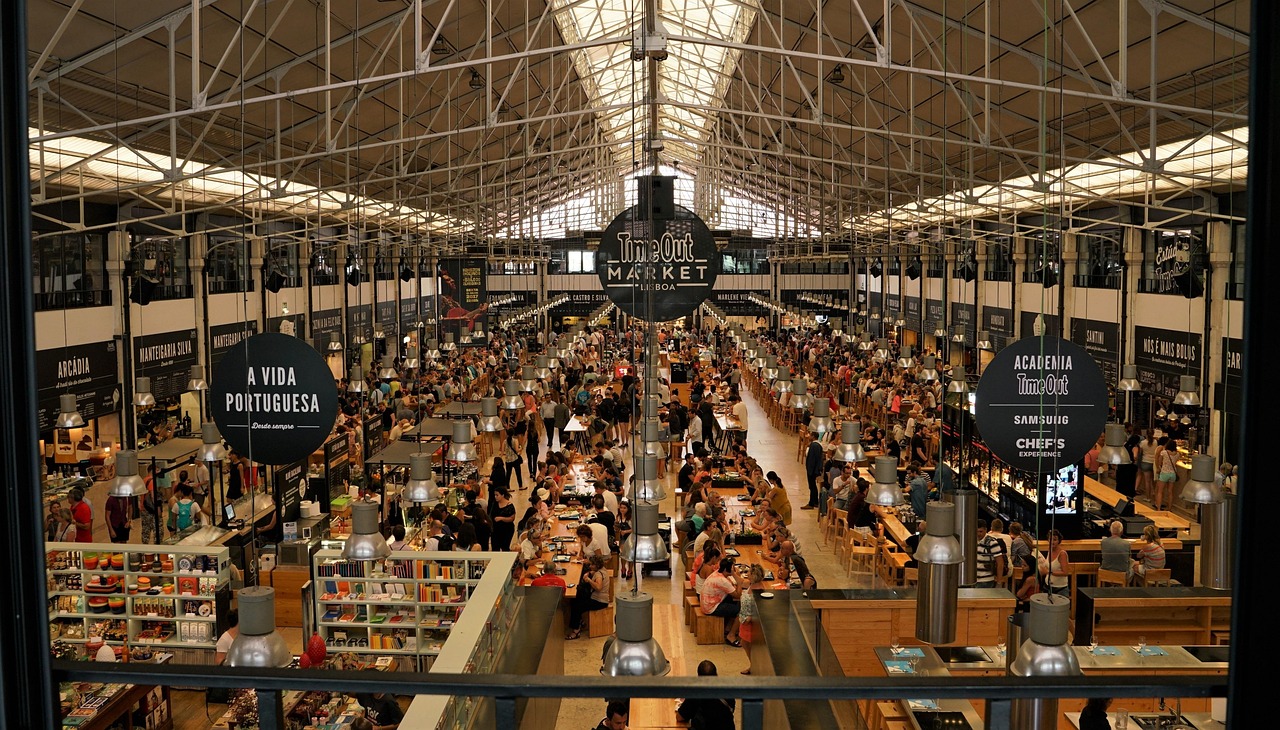
The social scene in a bingo hall is more than just a game; it's a community gathering that has evolved alongside the broader cultural shifts of the past century. From the tough times of the Great Depression to the wartime spirit of World War II, bingo halls have been a beacon of social interaction, offering a welcome respite from the hardships of the day. Today, these venues continue to thrive, reflecting the changing face of communities and the evolving nature of entertainment.
In the bustling environment of a bingo hall, players from all walks of life come together, each with their own unique story. Interactions are governed by a mix of unspoken rules and open communication, creating a dynamic and inclusive atmosphere. Players often form friendly rivalries, joking and bantering between games, while others form strong bonds through regular attendance, sharing laughs and life stories. The language of the bingo hall, or "bingo lingo," is a sign of its rich history and culture. Terms like "dauber pens," "call numbers," and "dopamine rush" are more than just words; they're phrases that have taken on deeper meanings within the community, evoking a sense of camaraderie and shared experience.
Etiquette matters in the bingo hall, fostering an environment where everyone feels welcome and respected. Simple gestures like taking turns, maintaining a quiet space while others are daubing, and sharing a smile or a kind word can go a long way in building a positive atmosphere. Some bingo halls even incorporate niche themes, from vintage-inspired designs with Art Deco accents to seasonal events that bring a fresh, festive vibe to the floor. These themes not only enhance the visual appeal but also encourage a sense of community among players, creating memorable experiences that extend beyond the game itself.
For marketing and player retention, the licensed bingo hall near me often stands out as a cost-effective strategy. By adhering to strict gaming laws and licensing requirements, these establishments maintain a safe and enjoyable environment for all. State gaming commissions play a crucial role in overseeing these operations, ensuring fairness and transparency. A well-managed bingo hall could implement loyalty programs, offering points for frequent visits or special events, which can be redeemed for prizes or discounts. The Canadian Bingo Heritage Guide itself is a sign of the enduring appeal of these venues, highlighting their role in fostering social connections and providing affordable entertainment for generations.
Evolving Lingo: Trends in Modern Bingo Halls

Over time, bingo hall lingo has evolved, reflecting not just the game's enduring popularity but also the social and cultural shifts of the times. In the early days, during the Great Depression and World War II, bingo halls served as community centers, fostering a sense of camaraderie and providing an affordable form of entertainment. Today, the language used in these establishments is a fascinating mix of traditional terms and modern slang, often influenced by the local communities they serve.
The industry has seen a surge in cost-effective bingo hall marketing strategies, recognizing the importance of attracting a new generation of players. Many modern bingo halls are now hosting local community events, transforming into social hubs that cater to diverse demographics. This shift has led to a more inclusive environment, encouraging regular players and newcomers alike to engage. The Canadian Bingo Heritage Guide highlights how themed nights and special events have become popular, utilizing affordable bingo hall equipment to enhance the overall experience.
However, the core elements of bingo hall culture remain constant. The iconic call numbers, once whispered among players, now echo through loudspeakers, signaling the excitement of daubing and winning. Dopamine-inducing moments of success continue to fuel the passion for the game. As bingo halls adapt to modern tastes, they cleverly blend old traditions with new marketing tactics, ensuring the game's longevity. This evolution showcases the resilience of bingo hall history & culture, making it a dynamic and engaging experience for players across generations.
Frequently Asked Questions About A Beginner's Guide to Understanding Bingo Hall Lingo
What are the origins of bingo hall lingo? Bingo hall lingo has evolved from a mix of traditional English, slang, and words adopted from the game itself. Many terms have roots in 19th-century gambling halls and have been passed down through generations of players. The game's global spread, particularly in Canada, has also contributed to its unique vocabulary, with local expressions and jargon varying from region to region.
How do I start understanding bingo calls? Begin by familiarizing yourself with the basic numbers and their corresponding terms. Learn phrases like "Full House" (a line of three numbers in a row), "Blackout" (when all numbers on a card are called), and "Coverall" (when all numbers on the card must be marked). Pay attention to the caller's tone and rhythm, as these cues can help you distinguish between similar-sounding words.
Are there any cultural differences in bingo lingo? Absolutely. Bingo, or "loteria" as it's known in some parts of Canada, has deep cultural significance in various communities. Each region may have its own set of terms and phrases, often reflecting local dialects and customs. The term "Bingo" itself can vary, with some halls using "House" or even unique, locally inspired names.
What are some common bingo hall terms I should know? Besides the terms mentioned earlier, here are a few more: "Dauber" (the marker used to mark numbers on a bingo card), "Card" (the sheet of paper with numbers to be marked), "Jackpot" (a large prize for a specific pattern), and "Break" (a pause in play for refreshments or to shuffle cards). Understanding these basic terms will help you immerse yourself in the bingo hall atmosphere.
Is there a way to practice and improve my bingo lingo skills? Absolutely! Regularly visiting a bingo hall, whether to play or just observe, is a great way to immerse yourself in the language. You can also practice with online bingo games, where the calls are often clearly announced. Keep a bingo lingo dictionary handy, and try to learn a few new terms each visit. The more you engage with the game, the easier it will become to understand and use bingo hall lingo.
As we've explored the rich mix of bingo hall history & culture, from its humble beginnings during challenging times like the Great Depression and World War II, to its evolution into a vibrant social hub, we've uncovered a unique blend of tradition and community. Key insights include the profound cultural significance of bingo calls, extending far beyond mere numbers, and the essential role these halls play in fostering connections and creating memorable experiences. By understanding the lingo, from "dauber pens" to "call numbers," and embracing the social etiquette, players can fully immerse themselves in this captivating game. Moving forward, modern bingo halls continue to evolve their lingo, reflecting contemporary trends while preserving the core values that have made this pastime a beloved institution for generations. This journey through bingo hall history & culture equips readers with a deeper appreciation for the game's rich heritage and its enduring appeal.
Bingo hall history & culture, rooted in community centers during challenging times, has evolved into a vibrant social scene. Key terms, or "calls," reflect its rich history, from "dauber" pens to "dopamine rush." These halls, governed by security protocols and affordable equipment, foster camaraderie and community engagement. Modern marketing, while cost-effective, preserves tradition through themed events and loyalty programs. The language, decor, and software all contribute to a unique ambiance, transcending age and background. Understanding this history enhances the bingo experience, fostering a sense of community and shared heritage.