
The ethics of bingo hall marketing are a vital yet often overlooked aspect of this enduring community institution. Bingo halls, deeply rooted in the history and culture of many communities, have been a source of social interaction, fundraising, and entertainment for generations. Yet, as these establishments adapt to modern marketing strategies, questions arise about the fairness and transparency of their promotional tactics. This article examines the ethical dilemmas facing the bingo hall industry, examining player retention strategies, loyalty programs, and the fine line between engaging promotion and manipulative marketing. By exploring the unique history and cultural significance of bingo halls, we gain insights into crafting responsible and sustainable marketing practices that honor the past while serving the present-day community.
- Understanding Bingo Hall Marketing Ethics: A Historical Perspective
- Fair Play: Defining Ethical Boundaries in Bingo Halls
- Targeting Players: Strategies and Their Impact on Bingo Hall History
- Transparency and Consent: Ensuring Ethical Consumer Engagement
- Regulatory Framework: Shaping Ethical Bingo Hall Practices
Understanding Bingo Hall Marketing Ethics: A Historical Perspective

The ethical landscape of bingo hall marketing is deeply rooted in the hall's history and culture. To understand fair play today, we must consider the social and economic contexts of the past. During the Great Depression and World War II, bingo halls served as community centers, providing a sense of camaraderie and entertainment amidst hardship. This history underscores the importance of responsible marketing practices today. Reliable bingo hall management understands that their marketing efforts must uphold the trust built by these historic roles.
Bingo hall history & culture also shapes the marketing strategies that are both cost-effective and respectful. The Art Deco aesthetic, for instance, has been expertly leveraged to create visually appealing and nostalgic atmospheres. This approach not only attracts players but also cultivates a unique cultural experience. However, this historical charm must be balanced with modern marketing techniques to ensure player retention. Effective strategies include loyalty programs, which, unlike traditional promotions, reward players for their consistent engagement rather than just one-off visits.
Licensing requirements and state gaming commissions play a crucial role in ethical marketing. Every licensed bingo hall near me must adhere to these regulations, ensuring that promotions and loyalty programs are fair and transparent. Loyalty points should be clearly explained, with players understanding the conditions for earning and redeeming them. By following these guidelines, bingo hall management can foster a positive and sustainable environment, building on the rich bingo hall history & culture while also meeting the expectations of modern players.
Fair Play: Defining Ethical Boundaries in Bingo Halls

Fair play is a cornerstone of any successful and ethical bingo hall operation. Defining the boundaries of what constitutes fair play in this unique cultural space involves navigating a complex web of historical context, regulatory requirements, and community expectations. Bingo halls, deeply rooted in community and social interaction, have evolved over time, reflecting the broader social landscape. During challenging periods like the Great Depression and World War II, bingo halls served as community centers, providing a much-needed respite and a sense of normalcy. This rich history underscores the importance of ethical conduct in modern bingo hall operations.
Professional bingo hall decorators and operators play a pivotal role in fostering an environment that encourages fair play. They must design spaces that are not only visually appealing but also functional, ensuring clear visibility for players and promoting an inclusive atmosphere. This involves adhering to art deco aesthetics, once a hallmark of many bingo halls, while also meeting contemporary accessibility standards. The interior design should enhance the player experience without distracting from the core gameplay, ensuring that every participant has an equal opportunity to succeed.
Ethical marketing practices are crucial for maintaining the integrity of the bingo hall experience. Local events, promotions, and loyalty programs can drive player retention, but they must be structured with fairness in mind. Loyalty points should be earned through genuine engagement, not manipulated through deceptive tactics. Bingo hall operators must resist the temptation to exploit players' dopamine rushes, ensuring that the focus remains on community enjoyment rather than gambling addiction. By balancing player engagement and fair play, professional and trusted bingo hall operators can contribute to a positive and lasting bingo hall culture, as celebrated in Bingo Hall History & Culture.
Fair play in bingo halls requires a delicate balance. It demands that operators respect the history and culture of their venues, prioritize the well-being of their players, and adhere to strict gaming laws and licensing requirements. By doing so, they can ensure that the bingo hall remains a vibrant and welcoming space for the local community, preserving its legacy while embracing the present.
Targeting Players: Strategies and Their Impact on Bingo Hall History

In the heart of community life, bingo halls have long served as more than just venues for games-they're cultural touchstones, reflecting the social and economic landscapes of their times. The history of bingo hall marketing is a fascinating exploration of how these spaces have adapted to changing player preferences and regulatory landscapes. Targeting players, a crucial aspect of marketing, has evolved from simple word-of-mouth to sophisticated strategies that shape the top-rated bingo hall experience.
During challenging periods like the Great Depression and World War II, bingo halls were community centers that fostered social interaction and provided entertainment. Today, successful marketing goes beyond the physical space; it involves engaging players both inside and outside the hall. Leveraging digital platforms to promote upcoming events and loyalty programs has become a common strategy. Certified bingo hall decor, reflecting the Art Deco style or contemporary themes, not only enhances the aesthetic appeal but also contributes to the overall player experience. Professional bingo hall decorators understand the importance of creating visually compelling spaces that capture the energy and excitement of the game.
However, as bingo hall history & culture evolves, ethical considerations come to the forefront. Balancing player engagement with responsible marketing practices is paramount. Exaggerated claims or deceptive tactics can erode public trust, which is vital for the longevity of these institutions. Marketing strategies should focus on transparent promotions and loyalty programs that reward players for their continued engagement. Instead of relying on high-pressure sales tactics, halls can encourage player retention through thoughtful incentives and community-building initiatives. By embracing ethical marketing, bingo halls can preserve their cultural significance while ensuring a sustainable future.
The success of bingo hall marketing lies in understanding and catering to the evolving needs of players. As the industry navigates regulatory changes and technological advancements, adopting best practices that uphold the integrity of the game will be key. By doing so, bingo halls can maintain their position as beloved cultural hubs, offering not just a game but a sense of community and belonging.
Transparency and Consent: Ensuring Ethical Consumer Engagement
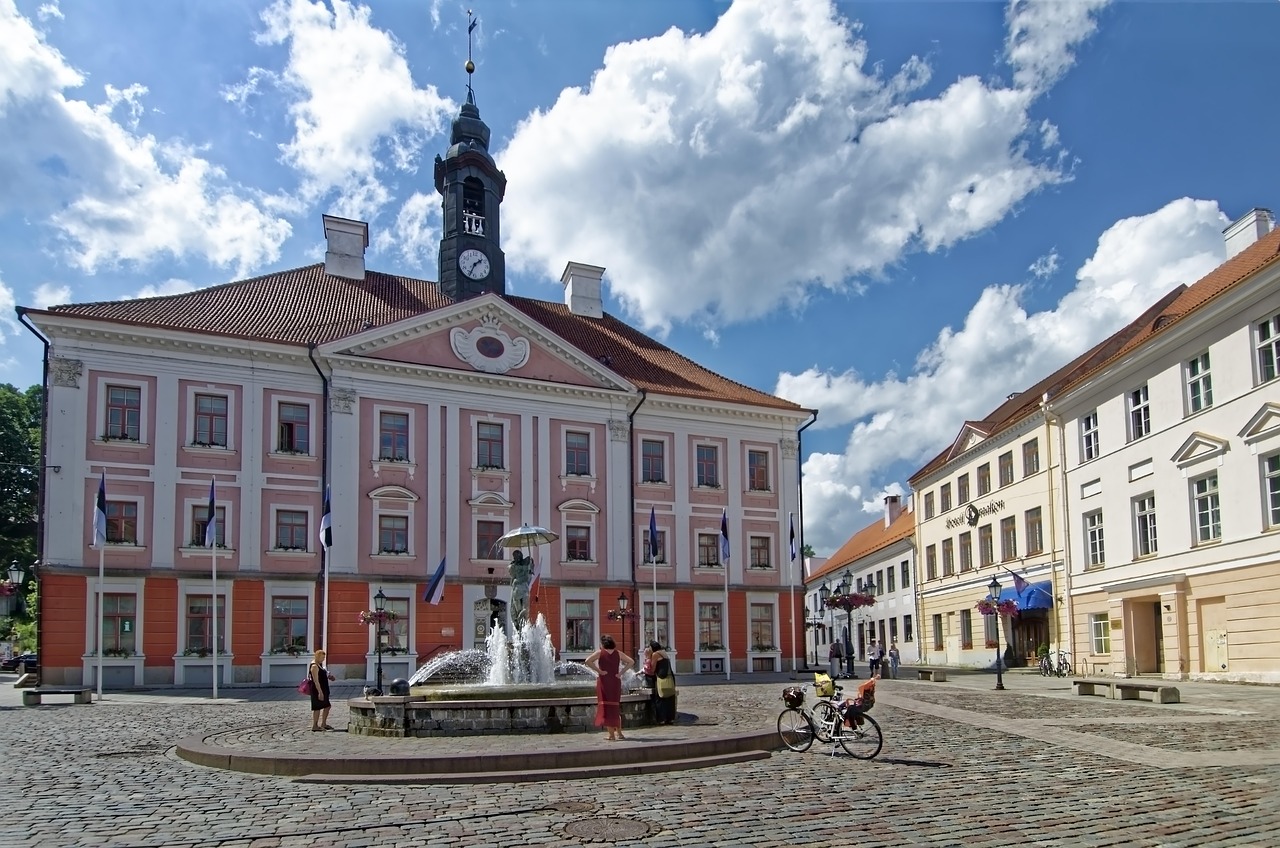
In the rich mix of bingo hall history & culture, ethical marketing has evolved alongside the game's popularity. As licensed bingo hall hosting has become more prevalent, so has the need for transparency and consumer consent. Bingo halls, once community centers that thrived during the Great Depression and World War II, now face modern challenges, including how to engage players fairly while leveraging promotional strategies. The National Association of Bingo Halls and state gaming commissions play pivotal roles in setting and enforcing standards, ensuring that marketing practices are honest and beneficial to both operators and patrons.
Transparency is the cornerstone of ethical marketing. Bingo hall operators must be clear about promotion details, rules, and any associated costs. Same-day bingo hall rentals require full disclosure of rental fees, setup costs, and expected player turnout. A trusted bingo hall security system, integrated into the marketing strategy, can further reassure players and promote fairness. Operators should also obtain explicit consent for marketing communications, respecting players' privacy and autonomy, which aligns with the values of the Canadian Bingo Heritage Guide. This approach fosters trust and encourages player retention, a key metric in the competitive bingo market.
Actionable advice for operators includes providing clear, concise terms and conditions for promotions and offering opt-out options for marketing materials. Implementing loyalty programs with transparency in point accrual and redemption rules can enhance player engagement without crossing ethical boundaries. By prioritizing open communication and player consent, bingo halls can maintain their cultural significance while navigating modern marketing landscapes, ensuring a positive and ethical experience for all who enter.
Regulatory Framework: Shaping Ethical Bingo Hall Practices

The regulatory framework plays a pivotal role in shaping ethical practices within the bingo hall industry, especially in light of the game's rich history and cultural significance. Bingo hall history & culture, as evident from community centers during the Great Depression and its popularity during World War II, underscores the need for responsible marketing. Each country and region has its own set of gaming laws and licensing requirements, with state gaming commissions overseeing operations to ensure fairness and player protection. The Art Deco aesthetics that often characterize top-rated bingo hall interiors reflect a commitment to both style and substance, with each element serving a purpose in enhancing the player experience.
Marketing in best local bingo halls must adhere to these regulatory guidelines while also employing cost-effective strategies to attract and retain players. Promotions, loyalty programs, and loyalty points are powerful tools that, when used responsibly, can foster a vibrant and engaged community. However, practices like high-pressure sales tactics or misleading promotions can erode trust and damage the bingo hall's reputation. A well-designed loyalty program, for instance, should incentivize regular attendance without creating an environment where players feel pressured to spend beyond their means. Top-rated bingo hall software often integrates these features seamlessly, allowing for accurate tracking of player interactions and rewards while maintaining a user-friendly interface.
The challenge for bingo hall operators lies in balancing the need to attract new players and retain existing ones with the ethical obligation to protect their well-being. This requires a nuanced understanding of the target audience and a commitment to responsible marketing. Using dopamine-inducing tactics to encourage excessive spending can lead to problematic gambling behaviors. Instead, focusing on creating a fun, inclusive environment that emphasizes social interaction and community can foster a positive association with the game. Bingo Hall History & Culture offers valuable insights into the game's enduring appeal, reminding us that ethical marketing is not just a regulatory requirement but a key to sustaining the bingo hall experience into the future.
Frequently Asked Questions About The Ethics of Bingo Hall Marketing: What's Fair Play?
What are the primary ethical concerns with bingo hall marketing? Bingo hall marketing raises ethical questions around transparency, manipulation, and inclusivity. Practices like enticing bonuses with strict withdrawal conditions, targeting vulnerable populations, and using aggressive promotions can blur the line between entertainment and exploitation. Ethical marketing should prioritize player welfare, ensure clear and honest communication, and avoid exploiting social or economic vulnerabilities.
How can bingo halls ensure fair play in their promotions? Fair play in bingo hall marketing means offering transparent and equitable promotions. This includes clearly outlining bonus terms and conditions, ensuring random number generators are unbiased, and providing easy access to responsible gaming information. Bingo halls should also avoid using manipulative tactics, such as offering free spins with strings attached, and focus on promoting responsible gaming behaviors.
Who regulates bingo hall marketing ethics? Regulatory bodies, like gambling commissions, set guidelines and enforce rules for ethical marketing in the bingo industry. These bodies monitor advertising, bonus practices, and player protection measures to ensure compliance with fair play standards. It's crucial for bingo halls to stay informed about local regulations and adapt their marketing practices accordingly.
How can players protect themselves from unethical marketing? Players can protect themselves by carefully reviewing bonus terms, understanding the risks involved, and setting personal spending limits. Being aware of common marketing tricks, like "no deposit bonuses" with high wagering requirements, is essential. Players should also choose bingo halls that prioritize transparency and responsible gaming, as evidenced by clear and readily available information on their websites.
What happens if a bingo hall engages in unethical marketing? The consequences for unethical marketing practices can be severe. Bingo halls found to be in violation of fair play standards face penalties, including fines, license suspensions, or even revoking their operating license. Reputational damage can also be significant, as word of unethical practices spreads among players and the public. Most importantly, players have the right to report suspicious activities to the relevant regulatory bodies.
As we've explored the ethics of bingo hall marketing and its place within the broader context of bingo hall history & culture, several key insights emerge. Firstly, the evolution of bingo halls from community centers during challenging times, like the Great Depression and World War II, underscores the importance of fair play and inclusivity. This historical context serves as a constant reminder that bingo halls should remain accessible and beneficial to all.
Fair play, in this regard, involves defining and adhering to clear ethical boundaries. This includes transparent marketing strategies that respect player autonomy, as evidenced by the rise of targeted promotions and their impact on player retention. By understanding how these strategies have shaped bingo hall history, operators can ensure they maintain a balance between engagement and exploitation.
The regulatory framework plays a crucial role in shaping ethical practices. Licensing requirements and oversight by state gaming commissions are vital to maintaining consumer trust. The National Association of Bingo Halls has been instrumental in advocating for responsible gaming, contributing to the robust regulatory environment we see today.
Looking forward, the practical takeaways are clear. Bingo hall operators should prioritize transparency and consent in all marketing efforts, ensuring players understand the implications of their participation. Implementing loyalty programs, with clear structures and benefits, can foster a sense of community and encourage fair play. By heeding these principles, bingo halls can thrive while upholding the values that have enriched their history & culture.
Bingo hall marketing must balance history & culture with ethical, fair play practices. Operators must consider the game's past, from community centers in hard times to its popularity during WWII, to create meaningful, inclusive spaces. Ethical strategies include transparent promotions, loyalty programs that reward genuine engagement, and compliance with licensing requirements. By merging historical charm with modern marketing, bingo halls can foster a positive, sustainable environment that respects players and preserves cultural heritage.