
Bingo halls have long been more than just venues for games; they are vibrant hubs of community engagement and social interaction, steeped in a rich history that mirrors the cultural shifts of their respective regions. Europe, with its diverse mix of traditions, boasts some of the most storied bingo halls in the world, each echoing the unique history & culture of its locale. This guide aims to navigate you through the continent's best, from the historic Art Deco halls of France to the communal spirit of Germany's traditional community centers. We'll explore how these venues have evolved, not just as gambling spots, but as cultural touchstones that have weathered economic crises, wars, and social changes, providing a unique glimpse into bingo hall history & culture across Europe.
- Introducing Europe's Rich Bingo Hall Heritage
- Top Bingo Halls: A Cultural Tour de Force
- Historical Insights: The Evolution of Bingo Halls
- Best Practices: Choosing Europe's Premier Halls
- Experiencing the Unique Culture of Bingo Halls
Introducing Europe's Rich Bingo Hall Heritage

Europe boasts a vibrant and historic bingo hall culture that transcends the traditional gaming experience. Exploring these venues offers a unique glimpse into the continent's social fabric and a rich history dating back to the post-war era. The evolution of bingo halls in Europe is a sign of their enduring appeal and their ability to adapt to changing times.
During the challenging periods of the Great Depression and World War II, bingo halls emerged as essential community centers, providing a much-needed respite from the hardships of the time. These spaces fostered a sense of camaraderie and social interaction, often becoming the heart of local neighborhoods. The post-war years saw a boom in bingo hall construction, with many establishments adopting the Art Deco style, reflecting the era's architectural trends. Today, Europe's top-rated bingo halls not only preserve this historical legacy but also embrace modern technology, offering advanced software and interactive experiences. Some venues have incorporated digital display systems, allowing players to enjoy the classic bingo lingo with modern visual aids.
Local bingo hall community events have become integral to the European cultural calendar, attracting players from all walks of life. These gatherings not only promote player retention but also foster a sense of belonging within the local community. Many top-rated bingo halls organize regular tournaments and themed nights, ensuring a vibrant atmosphere. The National Association of Bingo Halls in various European countries plays a pivotal role in maintaining and celebrating this rich bingo hall heritage. By combining tradition with innovation, Europe's bingo halls continue to thrive, offering visitors a unique cultural experience that goes beyond the game itself.
Top Bingo Halls: A Cultural Tour de Force

When exploring Europe's vibrant cultural landscape, a visit to a bingo hall offers more than just a chance to win a few euros. These venues are rich in history and culture, reflecting the unique character of each country while providing a space for community engagement. The best bingo halls in Europe are not just gaming hotspots but cultural tour de forces, where tradition meets modernity.
One of the most captivating aspects of European bingo halls is their architectural diversity. From the Art Deco glamour of halls in France to the rustic charm of rural English establishments, the design of these venues mirrors the artistic and cultural trends of their respective eras. Professional bingo hall decorators often collaborate with local artists to create immersive environments, ensuring that each hall is a unique experience. A hall in Spain might feature murals inspired by Pablo Picasso, while a Danish hall could showcase the work of renowned local sculptors. This blend of art and entertainment elevates the bingo hall experience, transforming it into a cultural event in itself.
Bingo hall history & culture also matters in shaping the games and rituals that bring communities together. The "call numbers" and "dauber pens" used in these halls have evolved over time, reflecting changes in society and technology. Today, many European bingo halls offer a mix of traditional and modern games, appealing to both long-time players and newcomers. Bingo hall reviews and ratings reflect not just the quality of the games but also the overall atmosphere and community feel, which are crucial aspects of the cultural experience. The nearest bingo hall to me, for instance, may offer a rich cultural exchange, with players from diverse backgrounds sharing stories and laughter.
Player retention and community engagement are key aspects of successful bingo hall operations, and many venues employ loyalty programs and promotional events to foster a sense of belonging. These initiatives not only boost repeat visits but also contribute to the social fabric of local communities. By understanding the historical and cultural context of European bingo halls, visitors can fully appreciate the warmth and camaraderie that these venues offer, making each visit a meaningful cultural experience.
Historical Insights: The Evolution of Bingo Halls
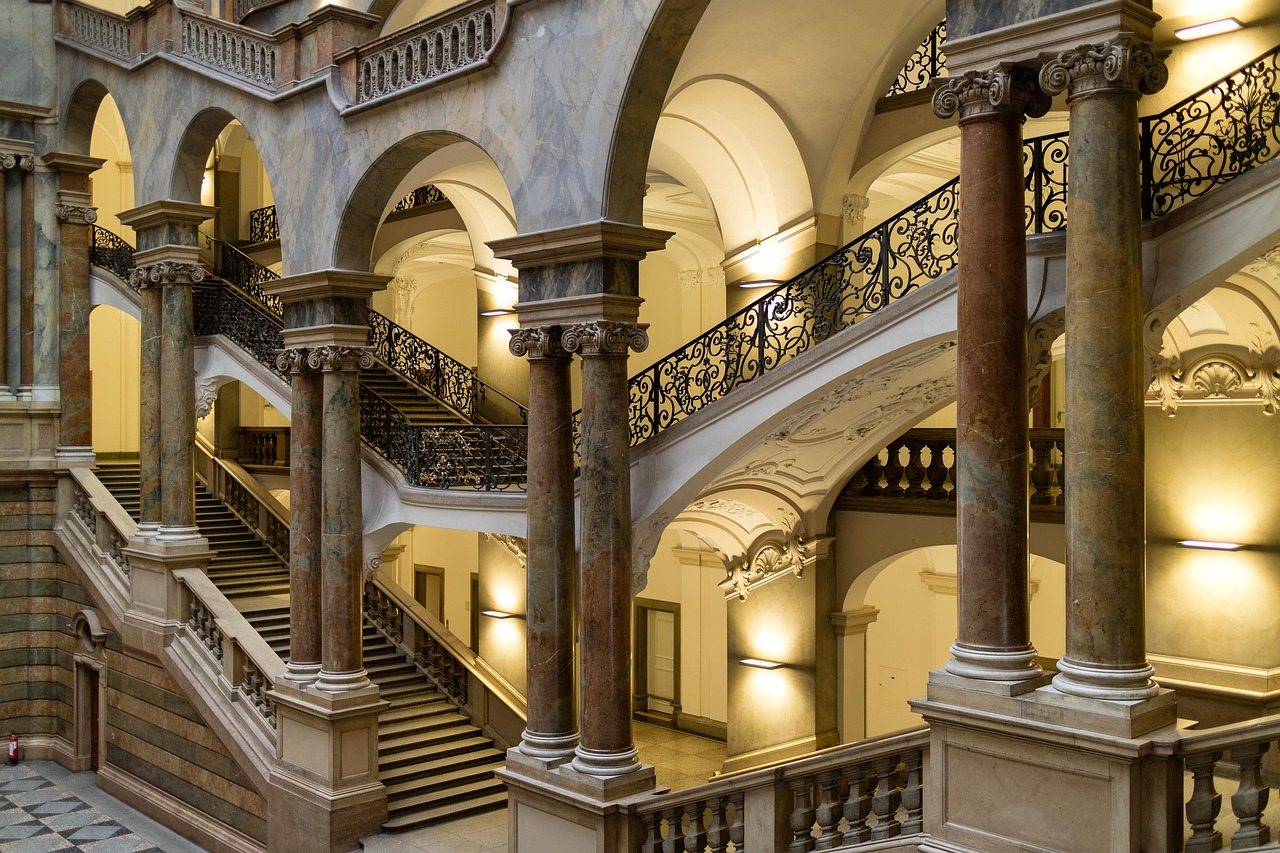
Bingo halls, once community pillars, have evolved significantly over the years, reflecting broader social and cultural shifts. The history of bingo hall culture offers a unique window into the past, revealing their role as hubs for social interaction, entertainment, and even economic stability. During the Great Depression and World War II, bingo halls served as vital community centers, providing both a source of income through gaming and a space for people to connect and find respite from the hardships of the times. The National Association of Bingo Halls, for instance, played a crucial role in regulating and promoting these venues, ensuring their reliability as safe and enjoyable spaces for locals.
Reliable bingo hall management has been a cornerstone of their success throughout history. Art Deco, a popular design movement of the 1920s and 1930s, left its mark on many bingo halls, creating striking and immersive environments that attracted players. Today, while the architecture may have evolved, the social aspects remain, with local bingo hall community events still providing a sense of belonging and camaraderie. These events not only foster a sense of community but also serve as a means to attract new players and retain existing ones, as player retention is a key focus for any successful bingo hall.
Looking closer to home, the nearest bingo hall to me has often been a place of both comfort and excitement, where neighbors gather not just to play but to socialize and support local causes. These halls have adapted to changing times, incorporating modern technologies and marketing strategies, such as loyalty programs and promotions, to keep up with evolving player expectations. The use of Dopamine-inducing rewards and the iconic Bingo lingo have remained, connecting players across generations. Despite the rise of digital alternatives, the bingo hall experience, rich in history and culture, continues to draw people together, proving that the social aspect of these venues is a timeless and valuable aspect of community life.
Best Practices: Choosing Europe's Premier Halls
When seeking out the best bingo halls in Europe, it's crucial to go beyond the gleaming facades and consider the rich history and cultural significance of these venues. The evolution of bingo halls is deeply intertwined with community, social interaction, and even economic shifts. During the Great Depression and World War II, bingo halls served as community centers, providing much-needed social outlets and entertainment. Today, Europe's premier halls blend this enduring social tradition with modern amenities, sophisticated software, and creative decor.
Choosing the top venues involves a blend of objective criteria and subjective preferences. Start by examining the hall's history and cultural impact. Long-standing establishments often carry the weight of tradition, while newer halls might offer innovative takes on the classic experience. Next, consider the reviews and ratings from players and industry experts alike. Platforms like Canadian Bingo Heritage Guide offer valuable insights into hall ambiance, game variety, and the quality of customer service. Look for facilities that prioritize player retention through engaging activities, exciting promotions, and loyalty programs-key practices that separate the truly exceptional halls from the ordinary.
Professional bingo hall decorators play a vital role in creating immersive atmospheres that cater to diverse tastes. From Art Deco elegance to contemporary designs, the aesthetic should resonate with players and reflect the hall's unique character. Similarly, top-rated bingo hall software is essential for a seamless gaming experience. Look for platforms that offer user-friendly interfaces, a wide range of games, and secure transactions, ensuring a fair and enjoyable gaming environment. The best practices for selecting Europe's premier bingo halls involve a harmonious blend of historical significance, modern amenities, and a commitment to providing memorable, engaging experiences for players.
Experiencing the Unique Culture of Bingo Halls

Experiencing the unique culture of European bingo halls is like stepping back in time while enjoying a thrilling game of chance. These halls, steeped in history, have evolved from simple community gathering places during challenging times, such as the Great Depression and World War II, into vibrant entertainment hubs. The art deco architecture and nostalgic ambiance of many top-rated bingo halls across the continent offer more than just games; they provide a window into the past while catering to modern players.
Same-day bingo events, for instance, have become a popular way to bring communities together. These quick-fire sessions, often with themes and entertainment, encourage local residents to drop in for an afternoon of fun and friendly competition. Many of the best local bingo halls have embraced digital advancements, featuring top-rated bingo hall software to enhance the player experience. This technology allows for dynamic game play, easy ticket scanning, and real-time leaderboards, while preserving the traditional bingo lingo and call numbers that have become synonymous with the culture.
Bingo Hall History & Culture matters in shaping these venues. The National Association of Bingo Halls, for example, has been instrumental in promoting responsible gaming and fostering a sense of community across Europe. By combining historical charm with modern amenities, these halls create an environment that is both nostalgic and exciting. Whether you're a seasoned player or a first-timer, visiting a local bingo hall offers a unique cultural experience that transcends language barriers and unites people from diverse backgrounds. Engaging in these same-day events can be a memorable way to immerse yourself in the local culture, while also enjoying the thrill of the game.
As we've explored the rich history and diverse culture of bingo halls across Europe, several key insights emerge. Bingo hall history & culture is deeply intertwined with broader societal shifts, from the economic struggles of The Great Depression to the communal spirit of World War II. These halls have evolved from community centers to vibrant entertainment venues, reflecting changes in gaming laws and social norms. The unique "bingo lingo" and rituals, like using dauber pens, create a sense of belonging and shared experience, releasing dopamine in much the same way as any rewarding activity.
Our guide highlights the best practices for selecting premier halls, emphasizing the importance of licensing and state gaming commission oversight. The art deco aesthetics and elaborate call numbers add to the allure, creating an immersive cultural experience. Moving forward, understanding this history and engaging with the community aspects of bingo halls can enhance player retention and foster a deeper connection to the game, both in Europe and beyond.
Europe's bingo hall culture is a vibrant mix woven with history and community. These venues, from Art Deco gems to modern spaces, offer a unique blend of tradition and innovation. Once community pillars during challenging times, they now thrive, attracting players with events, technology, and immersive experiences. The National Association of Bingo Halls plays a pivotal role in preserving and celebrating this rich heritage. Visiting a European bingo hall is not just a game; it's a cultural exchange, offering a warm, welcoming space where people connect and share stories.