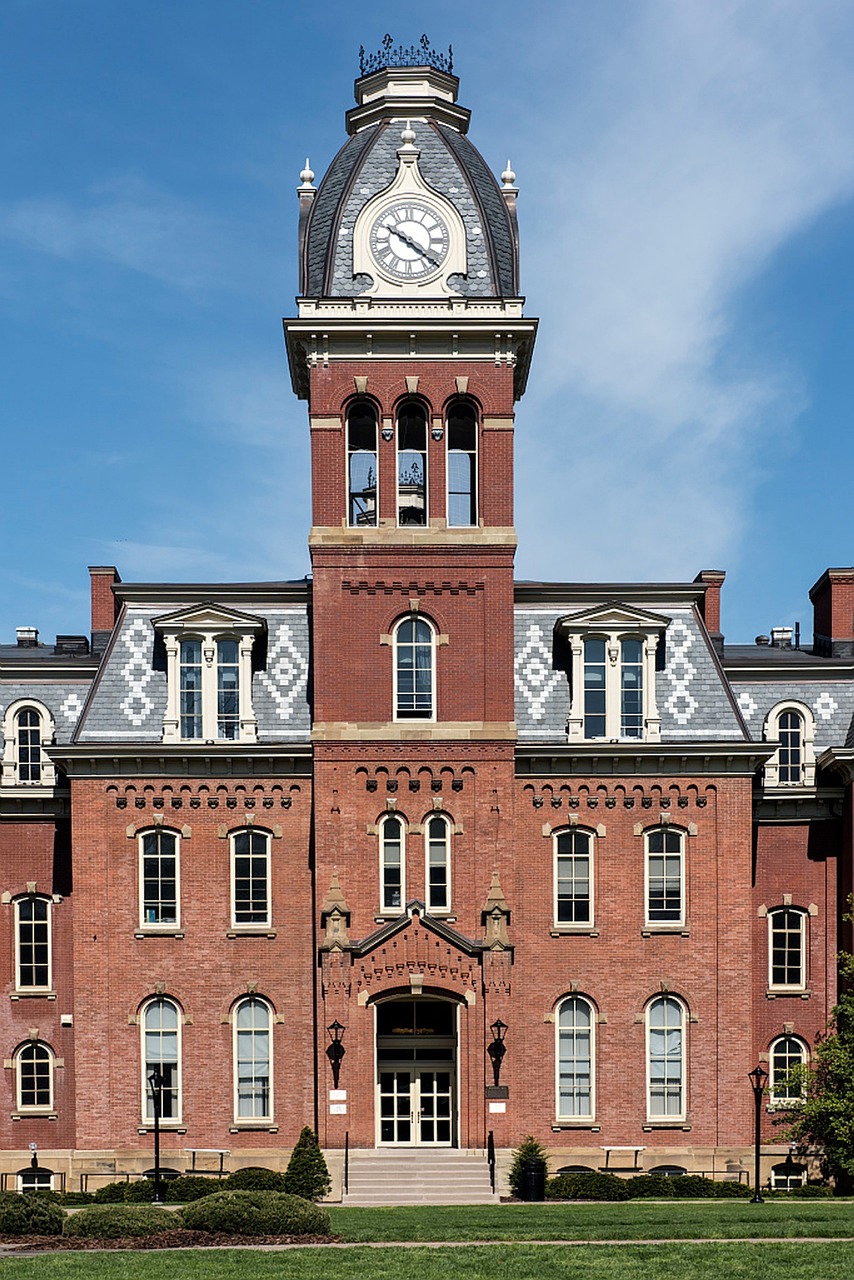
Bingo halls, with their vibrant history and cultural significance, have long been a cornerstone of community engagement and entertainment. These spaces, often overlooked in the grand narrative of architecture, encapsulate a unique blend of social interaction, tradition, and design evolution. However, the evolving landscape of gaming regulations and shifting cultural preferences pose challenges to maintaining the vibrancy of bingo hall history & culture. This article examines the intricate relationship between architecture and the social fabric it serves, exploring how design choices reflect and shape the experiences within. By tracing the evolution of bingo halls, from their humble beginnings during the Great Depression to their role in World War II, we uncover the rich mix of community centers that have shaped generations.
- The Evolution of Bingo Hall Design: A Historical Overview
- Cultural Influences Shaping Bingo Spaces Across Canada
- Functional Space Planning: Optimizing Bingo Hall Layouts
- Architectural Styles and the Bingo Hall Experience
- Preserving Cultural Heritage: Bingo Halls Today and Tomorrow
The Evolution of Bingo Hall Design: A Historical Overview
The evolution of bingo hall design is a fascinating journey through social history and architectural trends. Bingo hall history & culture is deeply intertwined with the socio-economic climate of their time, reflecting the needs and aspirations of the communities they served. During the Great Depression, for instance, bingo halls emerged as essential community centers, providing a sense of camaraderie and entertainment in the face of hardship. These early halls were often modest spaces, utilizing existing structures like schools or churches, with simple, functional designs that facilitated social interaction and the spirit of camaraderie.
World War II further shaped bingo hall culture, with many halls converted for military use or contributing to the war effort. Post-war, as the industry boomed, halls began to adopt more vibrant and diverse architectural styles. The 1950s and 1960s saw the rise of Art Deco influences, characterized by geometric patterns, bold colors, and sleek lines, reflecting the era's optimism and modern sensibilities. This period also marked the beginning of certified bingo hall trainers, who played a crucial role in ensuring consistent quality and professionalism across installations. By the 1970s, bingo hall design became more niche, with some halls adopting specific themes to cater to diverse player preferences. Some halls incorporated rustic log cabin designs or exotic locales, adding to the entertainment experience and fostering a sense of community.
Local bingo hall community events also became integral to the cultural fabric of these spaces. From themed nights to charity fundraisers, these gatherings brought people together and reinforced the social bonds that made bingo halls such beloved institutions. As the industry continued to evolve, local halls faced new competition from larger, more technologically advanced venues. However, many halls adapted by offering unique experiences, such as progressive jackpots, live entertainment, and loyalty programs. Today, the Canadian Bingo Heritage Guide celebrates and preserves these rich bingo hall histories & cultures, ensuring that the tradition of community, camaraderie, and entertainment thrives for future generations.
Cultural Influences Shaping Bingo Spaces Across Canada

The cultural landscape of Canada is as diverse as the communities it embraces, and this diversity is reflected in the architecture and design of local bingo halls. These spaces, integral to community life and social interaction, have evolved over the years, influenced by historical context, social trends, and the unique character of each region. The design of a bingo hall in a coastal town might bear resemblance to nearby fishing villages, while urban centers may feature modern, sleek aesthetics.
Bingo hall history & culture is a mix woven with threads of social gathering, community support, and entertainment. During the challenging times of the Great Depression and World War II, bingo halls became more than just places for games; they served as community centers, providing a sense of normalcy and a platform for social connections. This history is evident in the design choices of many licensed bingo halls, which often incorporate warm, inviting spaces with comfortable seating and vibrant decor, reminiscent of the Art Deco era. The National Association of Bingo Halls plays a crucial role in maintaining these cultural standards, ensuring that each hall respects gaming laws and licensing requirements while preserving the rich heritage.
Professional bingo hall decorators understand the power of space and aesthetics in creating an immersive experience. They meticulously craft environments that cater to the sensory needs of players, using color, lighting, and sound to enhance the overall atmosphere. Dauber pens and call numbers, integral parts of the bingo experience, become design elements themselves, displayed on walls or incorporated into decorative themes. The goal is to create a space that feels both familiar and exciting, appealing to a diverse range of players from all walks of life. The Canadian Bingo Heritage Guide emphasizes the importance of these cultural influences, encouraging the preservation and celebration of unique local designs that contribute to the vibrant mix of Canadian bingo hall history.
By understanding the cultural influences that shape these spaces, nearest bingo hall to me enthusiasts and operators can appreciate the depth of tradition and community that each hall represents. This knowledge can guide future renovations and designs, ensuring that the physical space continues to reflect and honor the rich history and culture of bingo in Canada.
Functional Space Planning: Optimizing Bingo Hall Layouts
In the heart of community spaces across the nation, bingo halls have long served as more than just gaming venues; they're cultural touchstones that reflect the evolving design and social landscape. As a sign of their enduring appeal, understanding the art of functional space planning in bingo halls is crucial. This approach ensures every element-from seating arrangements to promotional materials-is strategically placed to enhance the player experience, a key aspect of the rich bingo hall history & culture.
Optimizing bingo hall layouts involves a deep examine the psychology of space and movement. Professional bingo hall decorators often leverage color theory, lighting design, and furniture placement to create a vibrant, inviting atmosphere. Warm hues and strategic lighting can guide players towards the stage, encouraging active participation. It's not just about aesthetics; functional space planning considers the flow of people, ensuring easy access to registration desks, food service areas, and rest rooms, especially during peak hours. This strategic approach not only enhances player comfort but also facilitates efficient operations, a critical factor for successful bingo hall management.
The evolution of bingo hall design reflects the broader societal changes that have shaped our spaces. During the Great Depression and World War II, community centers, often double as bingo halls, became crucial social hubs. Today, while the focus on entertainment and player engagement remains, the nearest bingo hall to me often incorporates modern amenities and technology to cater to a diverse player base. Certified bingo hall trainers, leveraging the insights of the Canadian Bingo Heritage Guide, play a vital role in ensuring staff are equipped to manage these dynamic spaces, providing exceptional service and fostering a sense of community.
Successful bingo hall layouts are those that adapt to the evolving needs of players while paying homage to the hallowed traditions of the game. By balancing historical charm with contemporary design, operators can create spaces that not only attract but also retain players. Whether through thoughtful seating arrangements or the strategic placement of promotional materials, each element contributes to a rich and rewarding bingo experience, a cornerstone of the vibrant bingo hall history & culture.
Architectural Styles and the Bingo Hall Experience

The architectural style of a bingo hall is more than just aesthetics-it's a key component of the overall experience, reflecting the cultural and historical context of these community gathering spaces. As the Bingo Hall History & Culture of these venues has evolved over time, so too have their designs. Early bingo halls, often born from the need for community centers during the Great Depression and World War II, showcased simpler, functional architecture. These spaces were designed to accommodate large numbers of people and facilitate easy movement, with clear lines of sight for the caller-a sign of the social and economic realities of the time.
As bingo gained popularity, so too did the architectural sophistication of these halls. The post-war era saw the rise of Art Deco influences, with bold geometric shapes and luxurious materials. This aesthetic shift mirrored a broader cultural movement towards consumerism and entertainment, reflecting a desire to create more vibrant, engaging spaces. Professional bingo hall decorators played a crucial role in this transformation, infusing these venues with a sense of glamour and excitement. Today, many modern bingo halls blend classic design elements with contemporary touches, aiming to appeal to a diverse, multi-generational player base. Incorporating vibrant colors and modern furniture can create a welcoming atmosphere for younger players while preserving the nostalgia for older, regular attendees.
The experience within a bingo hall extends beyond its physical design. Local bingo hall community events play a significant role in fostering a sense of belonging and loyalty. These events, often featuring themes, music, and food, encourage players to return not just for the game but for the social interaction and sense of community. Professional and trusted bingo hall operators understand the importance of these gatherings and tailor their spaces and activities to enhance them. By creating an environment where people feel comfortable, welcomed, and entertained, these operators ensure that bingo halls remain vibrant hubs in their respective communities, reflecting the bingo hall history & culture that has evolved over generations.
Preserving Cultural Heritage: Bingo Halls Today and Tomorrow

Bingo halls, with their vibrant history and cultural significance, have evolved over the decades, blending tradition with contemporary design. Today, the preservation of bingo hall history & culture is not just about maintaining physical spaces; it involves a nuanced understanding of their social and recreational role. Professional and trusted bingo hall operators recognize this, often integrating niche bingo hall themes that cater to diverse player preferences while still honoring the core cultural heritage.
Some operators have transformed former community centers into modern bingo halls, preserving the original architecture that holds historical value. This approach not only maintains the character of the space but also connects players to the broader history of the area. Reviews and ratings play a crucial role in this process, as they help players discern the authenticity and respect for cultural heritage displayed by different halls. Platforms like Bingo Hall History & Culture offer detailed insights, allowing players to explore the unique ambiance of each hall, from Art Deco-inspired interiors to themed rooms that pay homage to specific eras.
Looking ahead, the future of bingo halls lies in striking a balance between innovation and tradition. As the industry grows, operators must continue to prioritize the preservation of cultural heritage, ensuring that the social and recreational value of bingo halls endures. This involves not only maintaining historical spaces but also creating new experiences that resonate with players from all walks of life. By doing so, bingo halls can remain vibrant institutions, serving as cultural touchstones for communities across generations.
Frequently Asked Questions About Bingo Hall Architecture: A Journey Through Design and Space
What is the history behind Bingo hall architecture? Bingo halls have evolved over time, reflecting cultural trends and technological advancements. Their architecture can trace its roots back to the early 20th century, with many early halls designed to mimic theatres or opera houses, emphasizing the social and community aspects of the game. As technology improved, so did the design, incorporating modern materials and lighting to create vibrant, engaging spaces. Canadian Bingo Heritage Guide highlights the unique cultural significance of bingo halls, with some structures dating back to the post-World War II era, showcasing mid-century modern aesthetics.
How do you create an engaging and accessible bingo hall design? Accessibility is key; wide aisles, clear signage, and visible stage areas ensure players feel comfortable. Incorporate vibrant colors and patterns, using lighting to create a lively atmosphere. Consider the flow of movement-seating arrangements, exit paths, and the placement of prizes-for a well-organized, user-friendly space. The contractor should work with architects and interior designers to balance functionality, aesthetics, and the unique needs of bingo hall patrons.
What are some common design challenges for bingo halls? One challenge is balancing the need for a large, open space for seating and gameplay with the requirement for private areas like rest rooms and prize distribution centers. Accommodating wheelchairs and other accessibility aids while maintaining the hall's layout is also critical. Managing noise levels, especially with larger halls, is essential for both player comfort and the smooth operation of games.
Are there any notable architectural styles for bingo halls? While there's no one-size-fits-all style, many modern bingo halls blend contemporary and traditional elements. Some incorporate mid-century modern aesthetics, with clean lines and bold colors, while others opt for warm, inviting spaces with rustic touches. The style often reflects local cultural influences, with some halls featuring indigenous design elements, celebrating the community they serve.
How long does it typically take to design and build a bingo hall? Most installations take one to two days, depending on the hall's size and complexity. This timeline includes architectural design, engineering, and construction phases. The planning stage, which involves assessing the site, obtaining permits, and finalizing the blueprint, can take several weeks or even months, emphasizing the importance of early consultation with architects and contractors.
As we've explored the evolution of bingo hall design, from its historical roots in community centers during the Great Depression and World War II to its present-day cultural significance across Canada, one thing becomes clear: bingo hall history & culture is not merely about the architecture and aesthetics. It's about the people, the experiences, and the community connections that bring these spaces to life. From the functional space planning that optimizes every square meter to the architectural styles that evoke a sense of place, each element contributes to the unique bingo hall experience.
Preserving this cultural heritage is not just about maintaining physical structures; it's about keeping alive the traditions, the lingo, and the social interactions that have defined bingo halls for generations. Moving forward, the practical next steps for operators and designers are clear: understand the history, embrace the culture, and continuously innovate to meet the evolving needs of players. By doing so, we ensure that bingo halls remain vibrant hubs of community engagement, enriching lives and fostering connections for years to come.
Bingo hall design reflects socio-economic climate and community needs, evolving from modest spaces during hard times to vibrant, diverse styles post-war. Local history, cultural influences, and technological advancements shape these spaces, with certified trainers and community events fostering a sense of camaraderie. Preserving bingo hall history & culture involves maintaining physical spaces, honoring traditions, and catering to diverse player preferences while embracing innovation.