
Bingo halls, once vibrant hubs of community engagement, have played a unique and often overlooked role in American pop culture. Their history and culture reflect the nation's social, economic, and political shifts over the decades, from the grim backdrop of the Great Depression to the post-World War II era. This article examines the timeline of bingo hall history, exploring how these venues have evolved and adapted, not just as gaming spaces but as cultural centers that have fostered connections and provided respite. By tracing their journey, we uncover the rich mix of American life, revealing the enduring appeal of bingo halls and their enduring place in our cultural landscape.
- Origins and Early Growth: Seeds of American Bingo
- Post-World War II Boom: Bingo's Cultural Impact
- Community Hubs: Bingo Halls as Social Spaces
- Media Representation: From Films to Folklore
- Modern Evolution: Adapting to Changing Times
Origins and Early Growth: Seeds of American Bingo
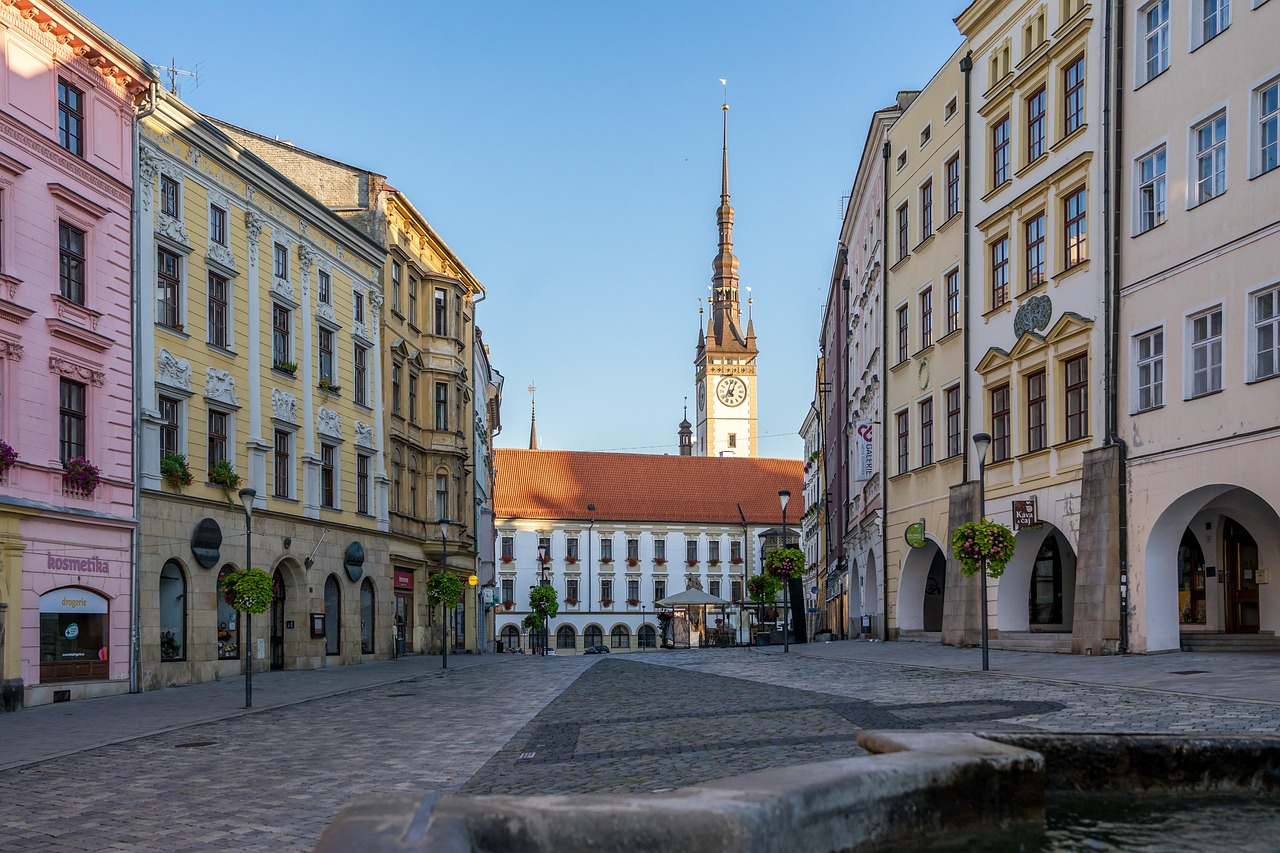
The origins of bingo in America trace back to the early 20th century, nestled within the broader social and economic landscape of the time. During the Great Depression, communities across the nation sought affordable entertainment that fostered a sense of camaraderie. Bingo, then known by various names like "Beano" and "Lucky Number," filled this need, offering a simple yet engaging game accessible to all. The first documented American bingo halls emerged in the 1920s, often located in urban areas, serving as community gathering places that provided much-needed respite from the hardships of the era.
World War II further propelled the growth of bingo halls. With soldiers away at war, these establishments became essential social hubs for civilians, reinforcing their role as community centers. The post-war period saw a boom in bingo's popularity, with the game's accessibility and appeal to a wide demographic making it a staple in small towns and big cities alike. The 1950s and 1960s witnessed the rise of organized bingo operations, with states introducing gaming laws and licensing requirements to regulate these venues. This era also marked the beginning of the association of bingo halls with Art Deco architecture, adding a touch of elegance to what was otherwise a simple game.
As bingo hall history & culture evolved, the game's lingo, call numbers, and iconic dauber pens became part of the American lexicon. The dopamine rush of a winning number, combined with the camaraderie of fellow players, created a unique and addictive atmosphere. The success of bingo halls as community entertainment centers led to their integration into the fabric of American pop culture, with local events and fundraisers often centered around these venues. Even today, trusted bingo hall security, thorough reviews and ratings, and community-focused events remain integral to the bingo hall experience, as evidenced by the ongoing popularity of these establishments, including those highlighted in the Canadian Bingo Heritage Guide.
Post-World War II Boom: Bingo's Cultural Impact
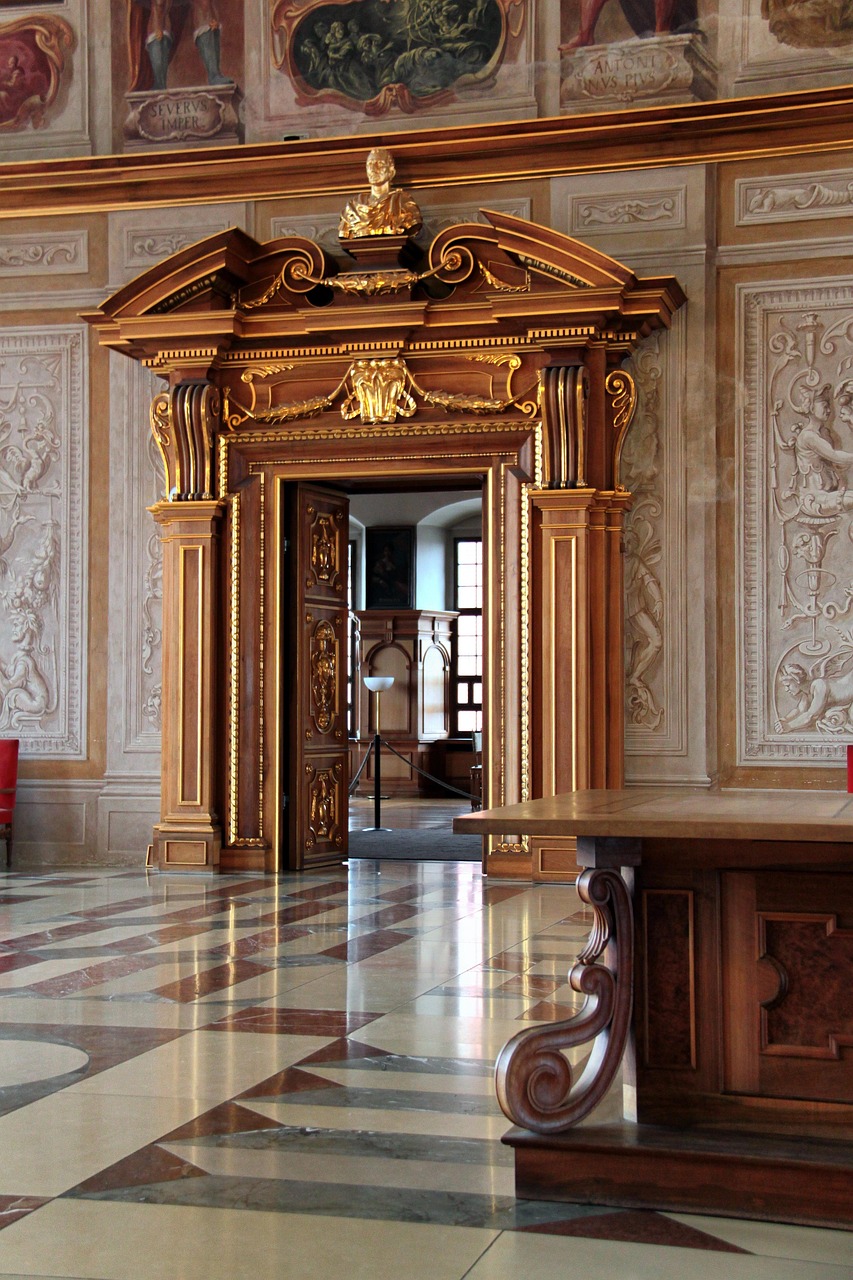
After World War II, America experienced a cultural and economic boom that significantly impacted the popularity of bingo halls. As communities recovered from the war's devastation, bingo halls became more than just gaming venues; they became cultural hubs, reflecting the nation's evolving spirit. This era saw the rise of themed bingo halls tailored to specific communities, with some offering unique settings to attract players. Rural areas might host country-themed halls, while urban centers embraced more modern, eclectic designs. These niche offerings not only entertained but also fostered a sense of community, with local businesses often collaborating with bingo hall owners to sponsor events or provide services.
The post-war period also marked a time when bingo halls became more accessible, with the relaxation of gaming laws and the establishment of licensing requirements by state gaming commissions. This accessibility was accompanied by a surge in popularity, driven by the appeal of social interaction and the chance to win money in an atmosphere that was both lively and inclusive. The design of bingo halls during this era was heavily influenced by Art Deco aesthetics, reflecting the era's focus on modern, streamlined design. This aesthetic not only made the halls visually appealing but also contributed to their status as cultural landmarks.
Bingo's cultural impact went beyond entertainment; it was a source of social interaction and community building. The use of unique "call numbers" and "dauber pens" became part of the bingo lingo that was integral to the experience. For many, the dopamine rush of a winning number was not just about the game; it was a social high, reinforcing bonds between friends and neighbors. This sense of community extended beyond the hall doors, with local emergency services often utilizing bingo halls as temporary shelters or meeting points during crises. The versatility of bingo halls as community resources was a sign of their enduring significance in American pop culture and bingo hall history & culture.
Community Hubs: Bingo Halls as Social Spaces

Bingo halls have long served as more than just venues for games of chance; they have evolved into vibrant community hubs in American pop culture, fostering social connections and providing a space for people from all walks of life to gather. This aspect of bingo hall history & culture is often overlooked, yet it's a critical piece of the puzzle when understanding their role in society. During the challenging times of the Great Depression and World War II, bingo halls provided a much-needed escape and a sense of community, showcasing their ability to adapt and thrive as social spaces.
These establishments often double as community centers, hosting not only bingo games but also various events and activities that cater to diverse demographics. From senior citizen gatherings to youth programs, reliable bingo hall management understands the importance of catering to all ages. Many halls offer senior-focused days with lower stakes and special promotions, fostering intergenerational interactions. This dual function as both entertainment and community hub has been a consistent thread in bingo hall history, reflecting their adaptability to changing social landscapes.
The concept of the nearest bingo hall to me has taken on added significance as these venues have become essential services in times of crisis. During emergencies, bingo halls can quickly transform into temporary shelters or resource centers, providing much-needed support to local communities. This ability to pivot and serve as emergency services showcases the resilience and responsiveness that has characterized bingo hall history & culture. In times of natural disasters, local bingo halls have opened their doors to offer food, shelter, and assistance, solidifying their position as integral parts of the community fabric.
By embracing their role as community hubs, bingo halls can continue to thrive and evolve, ensuring that their history remains an ongoing, dynamic part of American pop culture. This approach not only fosters player retention but also strengthens the bond between the halls and the people they serve. Recognizing and leveraging this aspect of bingo hall history & culture is crucial for any organization looking to sustain and grow its presence in the community.
Media Representation: From Films to Folklore
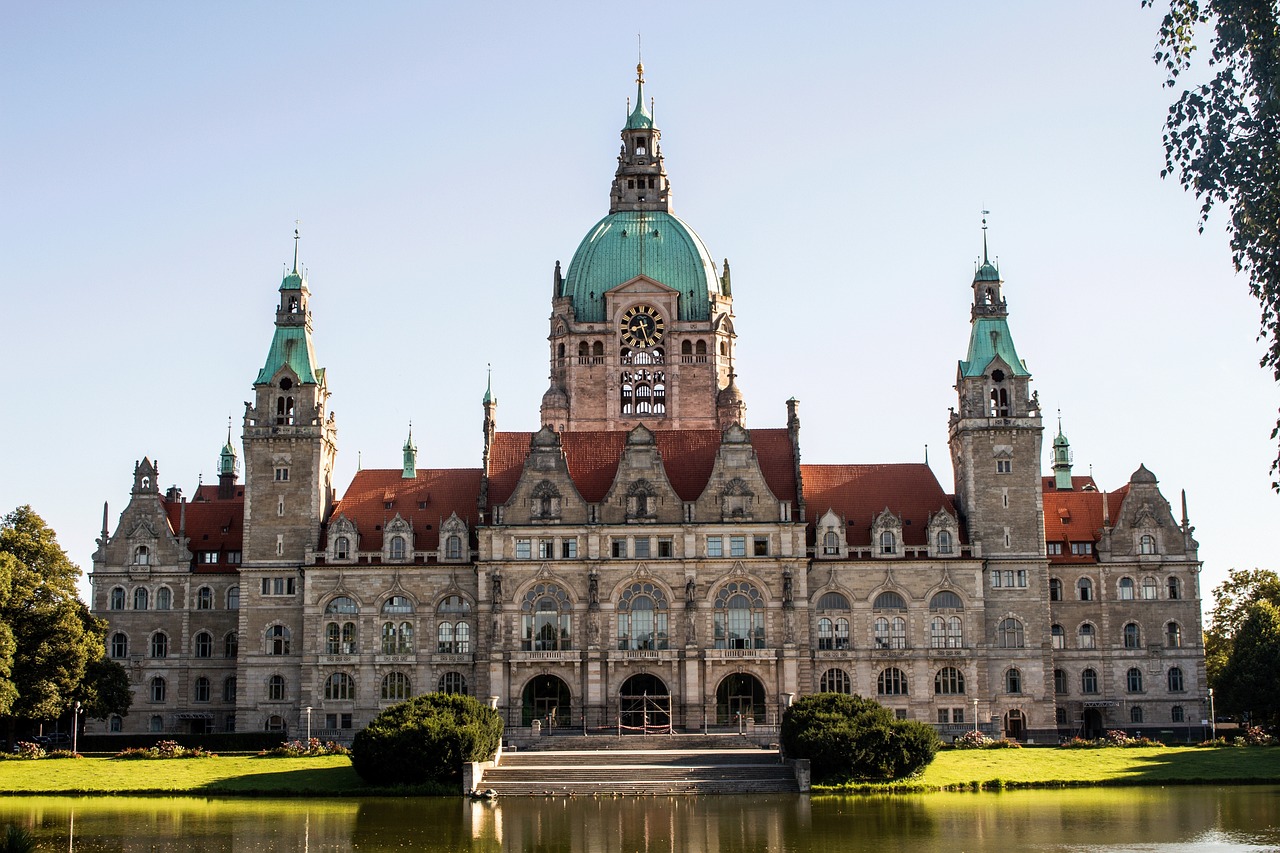
The media's portrayal of bingo halls has played a significant role in shaping public perception and contributing to the vibrant culture surrounding these venues. From the early 20th century onwards, bingo halls have been a prevalent theme in American folklore and popular culture, often depicted as a place for community gatherings and, more recently, as a hub for social interaction and friendly competition.
In the golden age of cinema, films like The Golden Girls (1985) and Diner (1982) showcased bingo as a social activity, reinforcing the idea of a friendly, community-oriented space. These representations resonated with audiences, reflecting the reality of many licensed bingo hall near me, which often double as community centers. The 1940s and 1950s saw bingo grow in popularity, with the post-World War II era and the subsequent economic boom creating a fertile ground for social entertainment. Bingo hall history & culture, rich with social interaction and camaraderie, was woven into the fabric of American pop culture during these times.
As bingo's popularity evolved, so did its media representation. Today, top-rated bingo hall software and innovative gaming technologies have transformed the experience. Same-day bingo events, now a common feature in many venues, offer a sense of immediacy and excitement, keeping players engaged and eager to return. This modern twist on a classic game has ensured bingo's place in contemporary American culture, with new generations discovering the fun and camaraderie that has long been a hallmark of bingo halls. By embracing technological advancements while preserving the social heart of the game, bingo continues to thrive as a vibrant and accessible form of entertainment for all.
Modern Evolution: Adapting to Changing Times
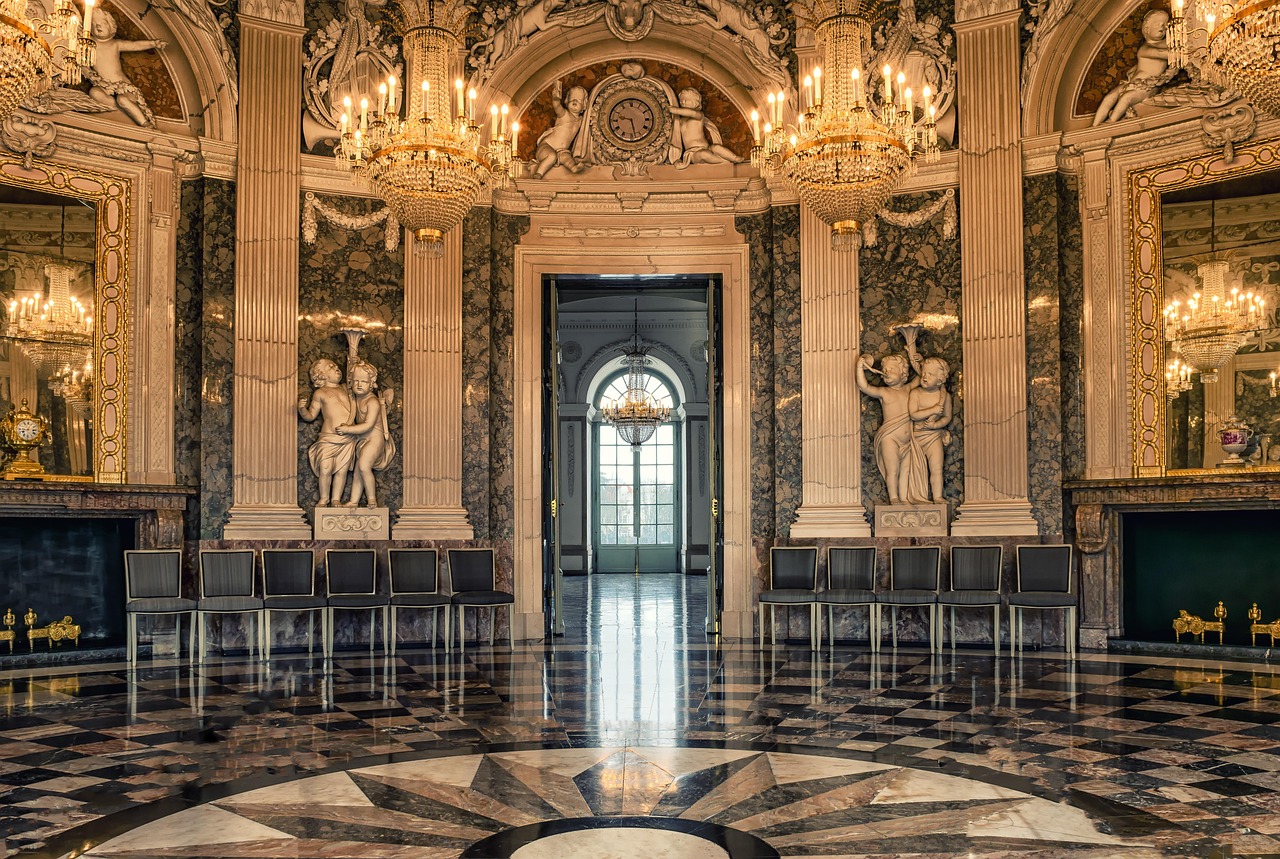
As the American landscape changed in the late 20th century, so too did bingo halls adapt, evolving from community centers to modern entertainment venues. This transformation reflects not only shifting social norms but also advancements in technology and gaming laws. The industry has seen a renewed focus on player retention and enhancing the overall experience, leading to a surge in innovative marketing strategies and the introduction of digital bingo.
Bingo hall reviews and ratings have become crucial for players, offering insights into the quality of games, customer service, and overall atmosphere. Websites like Canadian Bingo Heritage Guide now serve as digital directories, allowing individuals to easily find and compare nearby bingo halls. This accessibility has democratized the gaming experience, making it more inclusive for modern players. Certified bingo hall trainers now offer workshops on topics like game rules, hosting, and even digital platform management, ensuring staff are equipped to meet the demands of a diverse customer base.
The modern bingo hall has also embraced the concept of loyalty programs, a far cry from its humble beginnings. These programs, often coupled with digital loyalty points, incentivize frequent visitors and foster a sense of community. Such initiatives have proven successful in fostering customer loyalty and have become a key differentiator for many establishments. By understanding and catering to changing player preferences, the bingo hall history & culture continues to evolve, ensuring its place as a vibrant segment of American pop culture.
Frequently Asked Questions About The Role of Bingo Halls in American Pop Culture: A Timeline
What is the historical significance of bingo halls in American culture?
Bingo halls have played a significant role in American culture since their introduction in the early 20th century. They emerged as popular gathering places, offering a simple, affordable form of entertainment during a time of economic hardship. Bingo became a social activity that transcended age, race, and social status, fostering a sense of community. Its popularity grew, especially during World War II, when it provided a distraction for troops and raised funds for war efforts. This history is marked by its adaptability, evolving from a game of chance to a cultural touchstone that has endured for generations.
How did bingo halls evolve over time, and what changes did they undergo?
The evolution of bingo halls mirrors the cultural shifts in America. Initially, they were informal, community-based gatherings. As time passed, these spaces transformed into more organized, commercial enterprises. The 1970s and 1980s saw the rise of large, multi-story bingo halls with elaborate decorations and prizes, catering to a broader audience. This shift brought increased competition, leading to innovations in game formats and technology. Today, modern bingo halls incorporate online booking, digital displays, and themed events, reflecting the industry's adaptability to changing consumer preferences.
What role did bingo halls play during significant historical events?
Bingo halls have been integral to various historical events. During the Great Depression, they provided a source of revenue for struggling communities, with games often raising money for local charities. During World War II, bingo was used as a morale booster for troops, with military bases hosting games to entertain soldiers. In the post-war era, bingo halls became a hub for community events, fundraising, and social gatherings, often supporting local schools and religious organizations.
Are there any notable cultural references to bingo halls in popular media?
Absolutely. Bingo halls have been featured in numerous films, television shows, and literary works, often representing a slice of Americana. The 1980s film The Blues Brothers includes a memorable bingo hall scene, showcasing the social atmosphere and community spirit these venues embody. Many books and plays have also explored bingo as a cultural touchstone, highlighting its role in shaping social interactions and community dynamics across generations.
How have bingo halls adapted to modern technology and changing demographics?
Bingo halls have embraced technology to stay relevant. Many now offer online gaming, allowing players to participate remotely. This shift has broadened their reach, appealing to younger generations and those with limited mobility. They have also adopted digital marketing strategies, utilizing social media and online platforms to attract new players. The industry's adaptability is evident in its ability to blend traditional gameplay with modern technology, ensuring its longevity in an ever-changing entertainment landscape.
Bingo halls have played a multifaceted role in American pop culture, evolving over the decades from a simple game of chance to a vibrant cultural institution. From their emergence during the Great Depression as a means of community support to their surge in popularity post-World War II, bingo halls have served as social spaces, entertainment hubs, and economic drivers. They have been portrayed in films, woven into folklore, and even embraced as symbols of local identity. Today, bingo hall history & culture continues to shape community engagement, with modern venues adapting to changing demographics and preferences, such as implementing digital technologies and offering diverse events. Key takeaways include the importance of community, the resilience of bingo as a cultural touchstone, and the ability of these halls to adapt and thrive in different eras. Next steps for understanding and leveraging bingo hall history & culture include further exploration of their role in community development, their impact on local economies, and innovative ways to preserve their unique social and cultural significance.
Bingo halls in America originated as community entertainment and social gathering spaces during the Great Depression and World War II, evolving into vibrant cultural hubs that reflect changing social and economic landscapes. They became essential community centers, offering a mix of social interaction, entertainment, and fundraising opportunities. Bingo hall history & culture is characterized by accessible games, iconic lingo, and a sense of camaraderie. Over time, these venues adapted to modern tastes, embracing technology and innovative marketing while preserving their core community focus. Today, bingo halls continue to thrive, providing accessible, engaging entertainment for diverse demographics, as evidenced by their ongoing popularity and positive reviews.