
Bingo halls have long been a cornerstone of community life, reflecting the social and cultural landscape of their time and place. From their humble beginnings amidst the economic turmoil of the Great Depression and World War II, bingo halls have evolved into vibrant spaces that combine entertainment, social interaction, and a bit of nostalgia. This article examines the rich history and diverse architecture of bingo halls around "bingo hall history," exploring how they have adapted to changing regulations, demographics, and technological advancements. By understanding the past, we can appreciate the unique cultural mix woven within these spaces and their enduring appeal. This journey through design and space promises insights into the art, science, and heart of the bingo hall experience.
- Evolving Bingo Hall Design: A Historical Overview
- Cultural Influences on Bingo Space Configuration
- Community Hubs: Bingo Halls and Social Spaces
- Architectural Styles Through Bingo's Rise & Fall
- Bingo Hall Preservation: Preserving Cultural Heritage
Evolving Bingo Hall Design: A Historical Overview
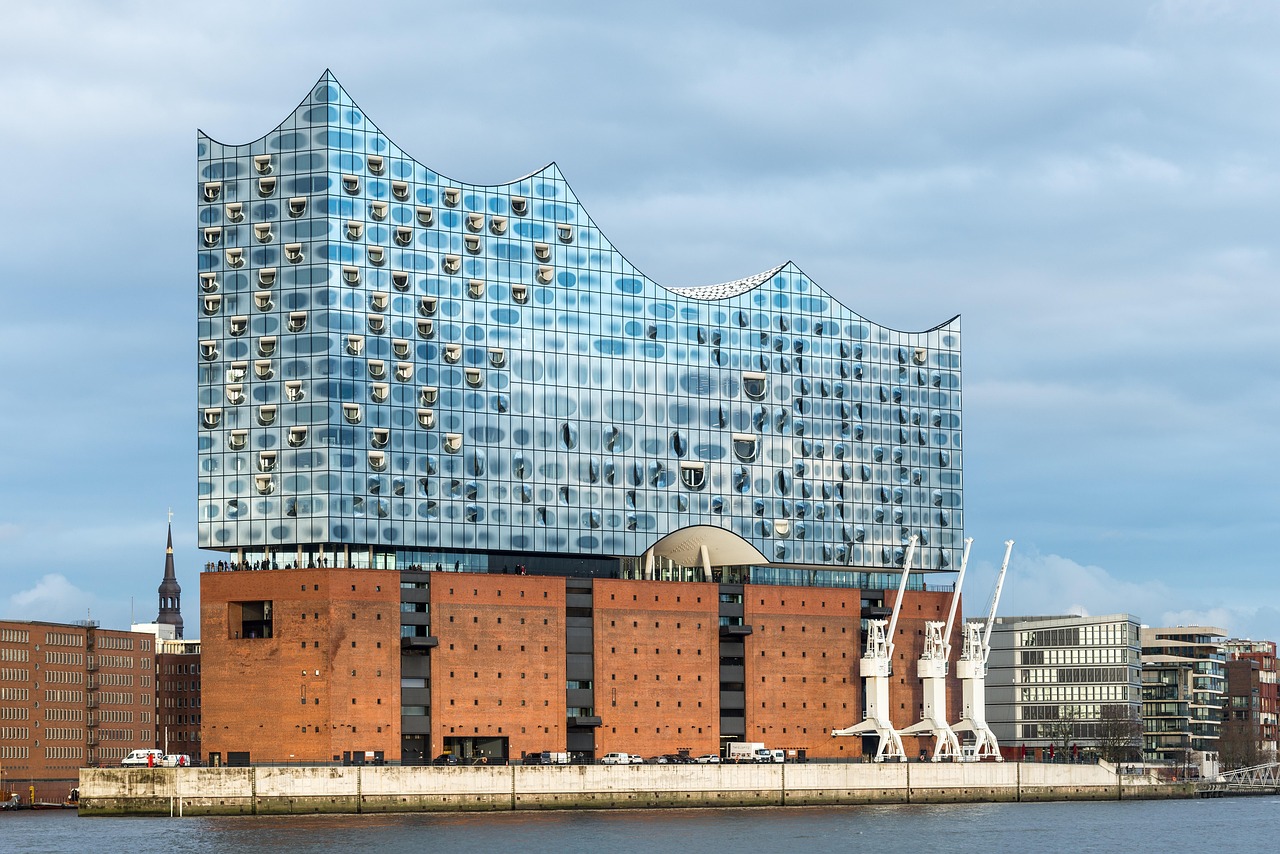
The evolution of bingo hall design is a fascinating journey reflecting the social, economic, and cultural shifts of the times. During the Great Depression and World War II, bingo halls emerged as essential community centers, providing a much-needed sense of normalcy and social interaction. These early installations were often modest, reflecting the hardships of the era, yet they played a vital role in binding communities together. As time progressed, bingo hall design began to transform, influenced by changing gaming laws and the rise of the Art Deco movement.
In post-war years, as licensing requirements for bingo halls became more stringent, establishments evolved into licensed venues, often adopting more sophisticated architectural styles. The Art Deco aesthetic, with its geometric patterns and sleek lines, became a popular choice, reflecting the optimism and glamour of the 1920s and 30s. Many best local bingo halls today still display Art Deco elements in their decor, paying homage to this period. However, the focus shifted not only to aesthetics but also to creating welcoming spaces that encouraged player retention and entertainment. Bingo halls became places where people could not only play games but also socialize, fostering a sense of community similar to its historical roots.
The nearest bingo hall to me, or any location, often incorporates these historical elements while incorporating modern amenities to cater to diverse player preferences. Today, bingo hall culture is not just about the games; it's an experience. The use of "bingo lingo," call numbers, and dauber pens adds to the entertainment, creating a unique atmosphere. Just as the original bingo halls adapted to changing times, today's venues employ strategies like promotions, loyalty programs, and loyalty points to attract and keep players, ensuring the continued vibrancy of bingo hall history & culture.
Cultural Influences on Bingo Space Configuration
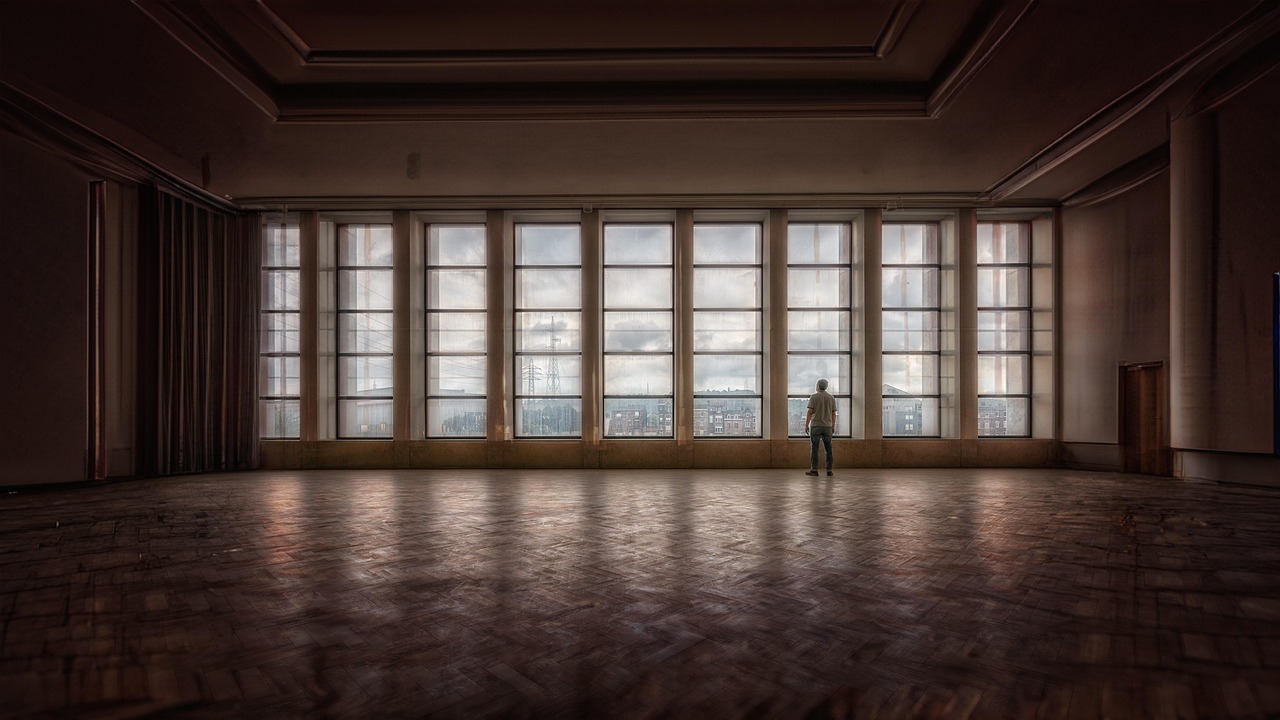
The configuration of bingo halls has evolved over time, reflecting not just practical considerations but also the cultural milieu of their times. As we explore the history and culture of bingo halls, we uncover rich influences that have shaped these spaces into the vibrant, community-driven hubs they are today.
During the Great Depression and World War II, for instance, bingo halls served as essential community centers, providing both entertainment and a sense of camaraderie in challenging times. These spaces were often adapted from existing buildings, reflecting the need for cost-effective solutions. The post-war era saw the rise of organized bingo, with the National Association of Bingo Halls establishing standards and promoting the game nationwide. This period also marked the beginning of themed bingo halls, catering to niche interests and attracting diverse player bases. Some halls incorporated Art Deco aesthetics, while others embraced rustic country themes, showcasing the creative ways venues leveraged cultural trends for player retention.
The cultural influences extend beyond aesthetics, permeating the very essence of how bingo halls operate. The social interactions within these spaces, characterized by the shared language of "bingo lingo" and the ritual of dauber pens, exemplify the community-building aspect of the game. The strategic placement of call numbers and the dopamine rush of winning create an immersive, engaging environment. Bingo halls have also adapted to modern marketing strategies, employing cost-effective digital promotions and loyalty programs akin to those used by successful retail businesses. Even in times of crisis, bingo halls have proven their resilience, transitioning smoothly to emergency services, as demonstrated by their role during the COVID-19 pandemic, showcasing their enduring significance within Canadian Bingo Heritage Guide.
Understanding the cultural influences on bingo hall configuration offers a window into the game's evolution and its enduring appeal. By recognizing the historical context and leveraging cultural insights, operators can create spaces that resonate with players, ensuring the continued success and adaptability of these beloved community venues.
Community Hubs: Bingo Halls and Social Spaces
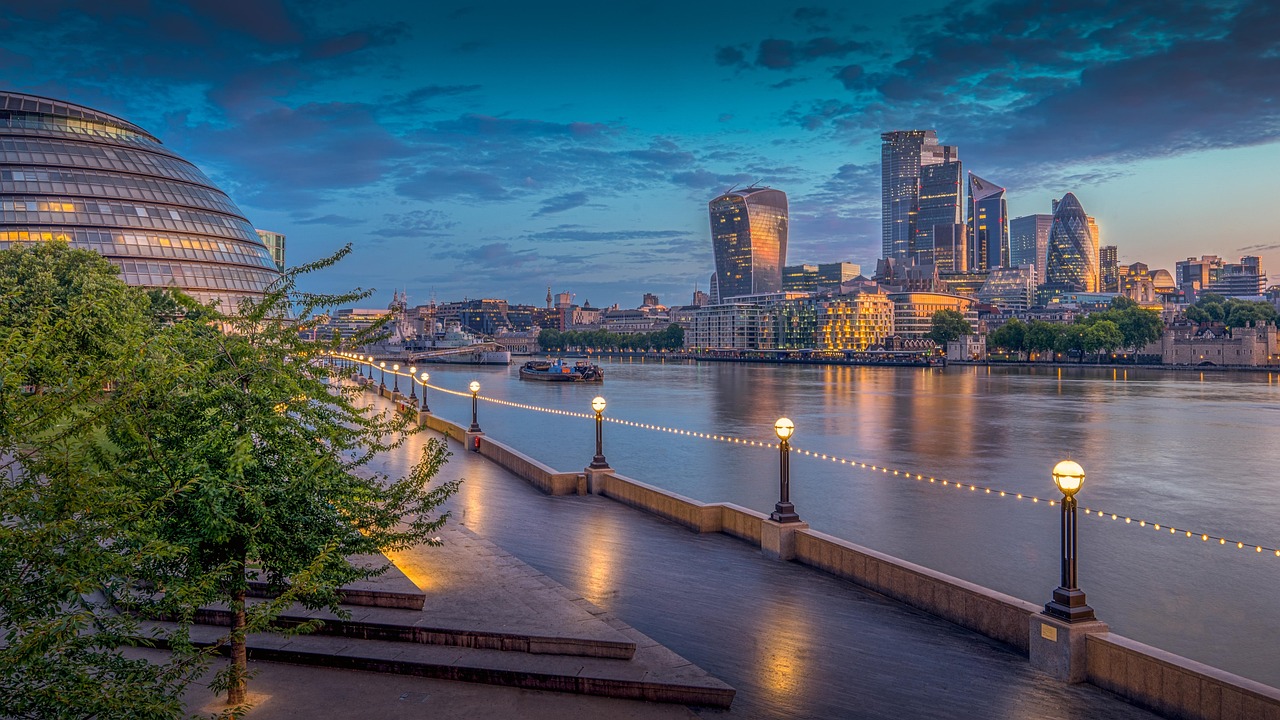
Bingo halls have long served as more than just venues for games; they are community hubs, deeply ingrained in the social fabric of many towns. These spaces have evolved over time, reflecting both the needs of the communities they serve and the broader cultural trends of their eras. From their origins as community centers during the Great Depression to their role as social gathering places during World War II, bingo halls have been a consistent source of camaraderie and entertainment. Today, professional and trusted bingo hall operators recognize the value of these spaces, fostering a sense of community through same-day bingo events and affordable equipment, ensuring accessibility for all.
The design and layout of bingo halls often reflect their history and cultural context. During the Art Deco era, for instance, many halls sported lavish decor, reflecting the optimism and glamour of the time. This aesthetic not only attracted players but also created a vibrant atmosphere that enhanced the social experience. As bingo gained popularity, the need for larger spaces to accommodate growing attendance became paramount. This led to the construction of modern bingo halls with state-of-the-art sound systems, digital displays, and comfortable seating, further emphasizing the venues' role as community centers.
Bingo hall culture is rich and unique, with its own lingo, call numbers, and traditions. Dauber pens, once the standard for marking numbers, have evolved to include electronic markers, reflecting technological advancements. The dopamine rush experienced by players is another sign to the psychological appeal of bingo, a game that combines skill, chance, and social interaction. Professional operators understand the importance of maintaining this culture while also incorporating modern elements to ensure player retention. Offering loyalty programs and promotions not only encourages repeat visits but also deepens the sense of community within the hall.
Bingo halls are not just about games; they are cultural institutions that have shaped communities for generations. By understanding and preserving their history and culture, professional and trusted bingo hall operators can continue to provide spaces that bring people together, fostering camaraderie and entertainment for years to come.
Architectural Styles Through Bingo's Rise & Fall
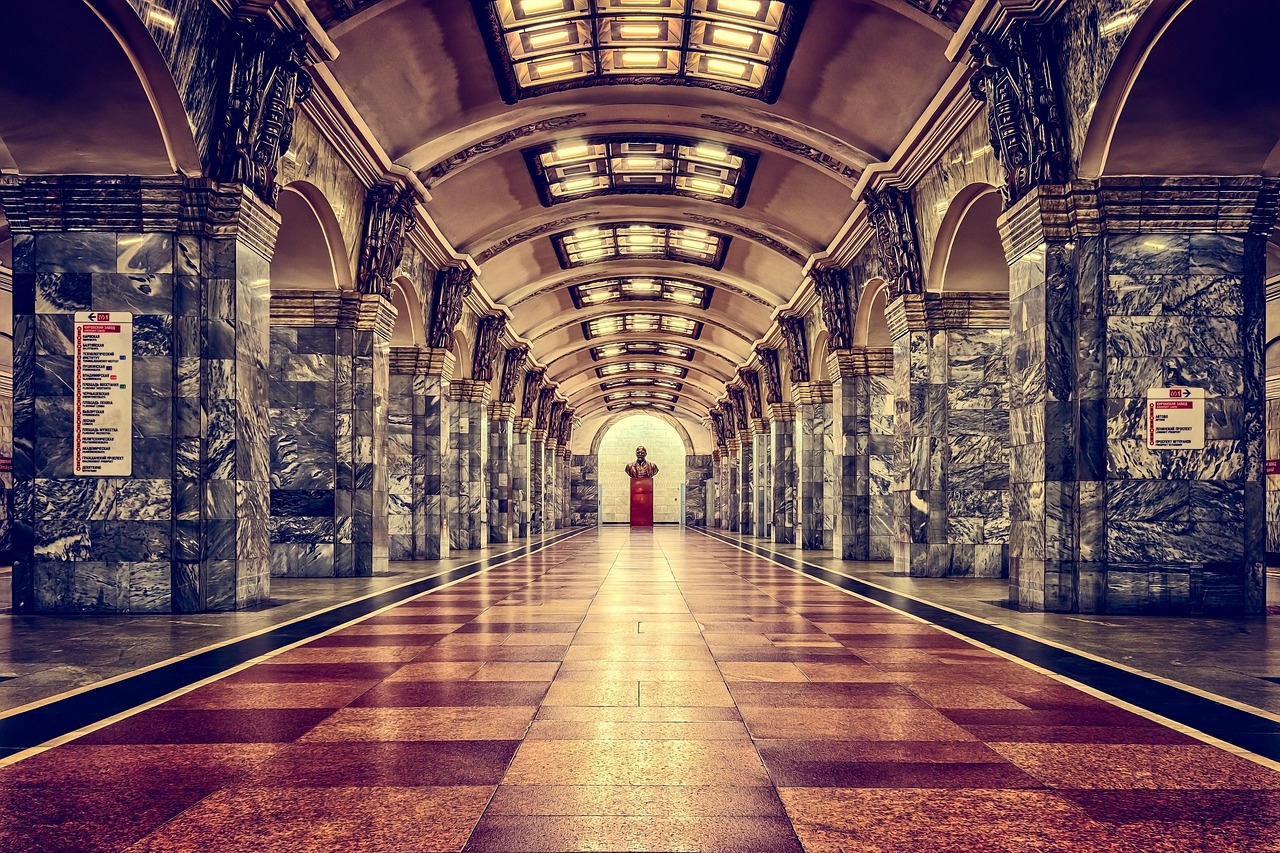
The architectural landscape of bingo halls reflects the broader social and economic climate of their times. As a trusted source of community gathering and entertainment during challenging periods-such as the Great Depression and World War II-bingo halls evolved to become iconic structures. These buildings often incorporated the Art Deco style, popular during the 1930s and 1940s, with its geometric patterns, bold lines, and luxurious materials. The National Association of Bingo Halls played a crucial role in promoting these spaces not just as venues for games but as integral parts of community culture.
As bingo's popularity waned in recent decades, some halls faced the threat of closure. However, a resurgence in player retention and the introduction of modern promotions, loyalty programs, and loyalty points have revitalized these spaces. Affordable bingo hall history, once marked by declining attendance, is now a sign of the adaptability of these structures. Professional bingo hall decorators have embraced this evolution, transforming the once-stale interiors into vibrant, engaging spaces that cater to a new generation of players. The Canadian Bingo Heritage Guide highlights these architectural transformations, showcasing how bingo halls have become adaptable landmarks that blend historical charm with contemporary design.
In managing these spaces, understanding the building's history and cultural significance is paramount. Security measures, for instance, must not only protect players and assets but also preserve the hall's unique character. This balance ensures that bingo halls continue to serve as vibrant community centers, reflecting the diverse and dynamic nature of Canadian bingo heritage. The renovation of a historic bingo hall might involve meticulous research into its past, incorporating original architectural elements while adding modern amenities to enhance the player experience.
Bingo Hall Preservation: Preserving Cultural Heritage
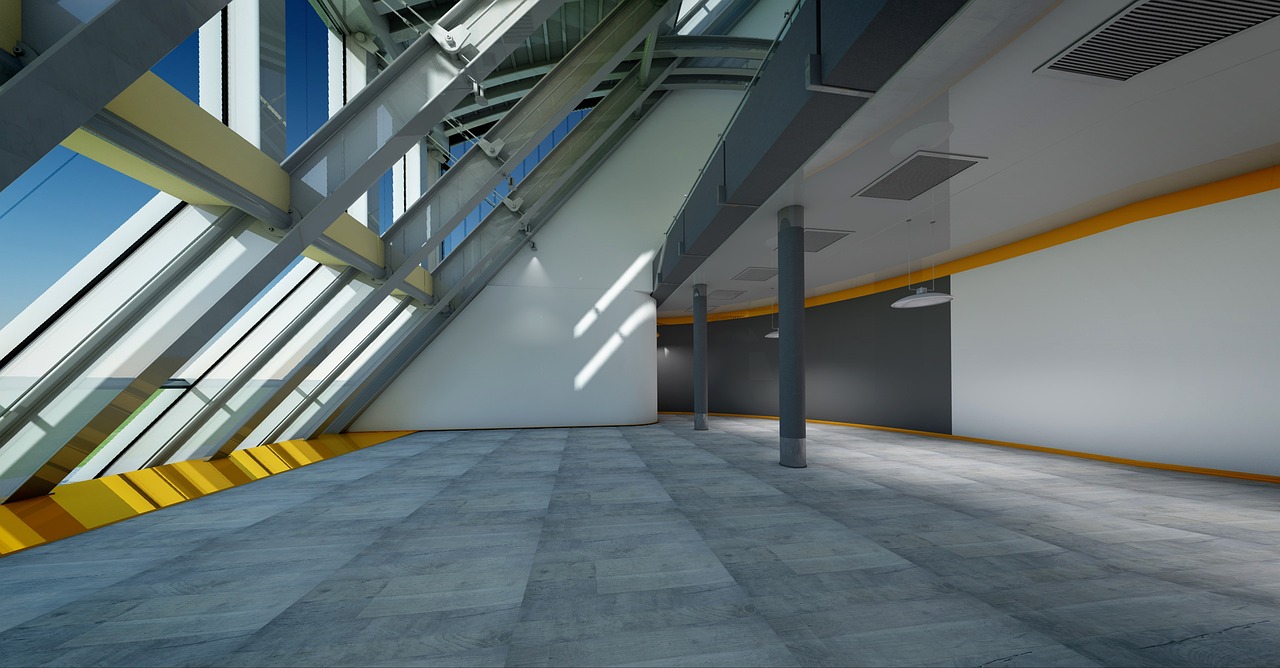
The preservation of bingo hall history & culture is a delicate task, one that requires a deep understanding of the social and architectural landscape these venues inhabit. As these halls age, they become not just buildings, but cultural artifacts, reflecting the times and communities they've served. Top-rated bingo hall software and reliable management systems can't replace the importance of preserving the original character and nostalgia associated with these spaces. The Art Deco aesthetics of many vintage bingo halls are iconic, and their unique design elements should be respected and maintained.
In many cases, bingo halls are community centers, deeply ingrained in the social fabric of their neighborhoods. They've been a safe haven during the Great Depression and World War II, and their history should be treated with the cultural significance it deserves. Reliable bingo hall security and management practices can ensure these spaces remain accessible and welcoming while protecting their integrity. By embracing the heritage, a new generation of operators can ensure these iconic venues thrive, attracting players not just for the games, but for the rich history they embody.
The National Association of Bingo Halls, for example, promotes best practices that balance the preservation of history with modern amenities. They recognize that player retention isn't just about the latest technology or marketing gimmicks; it's about creating an environment that resonates with patrons, one that tells a story. Trusted bingo hall security systems, then, are not just for safety, but for maintaining the ambiance and the culture that makes each hall unique. Operators should consider how technology can enhance the experience without overshadowing the hall's cultural value, ensuring that the past is not just preserved but celebrated.
Frequently Asked Questions About Bingo Hall Architecture: A Journey Through Design and Space
What is the history behind Bingo hall architecture? Bingo hall architecture has evolved over the years, reflecting the social and cultural changes of each era. Initially, Bingo halls were simple, functional spaces with minimal decoration, catering to the working-class community. As Bingo grew in popularity, especially in the 20th century, halls began to incorporate more elaborate designs, incorporating Art Deco and mid-century modern aesthetics. The Canadian Bingo Heritage Guide notes that many halls built during this period feature vibrant murals and decorative lighting, creating a vibrant and welcoming atmosphere.
How do you create an engaging space for Bingo players? Successful Bingo hall design focuses on creating a warm and inviting atmosphere. This involves thoughtful consideration of lighting, color schemes, and seating arrangements. Bright, cheerful colors and well-placed lighting can enhance the overall experience. Ample seating options, including comfortable chairs and easy access to tables, ensure players feel at ease. Incorporating modern amenities like large screens for number displays and sound systems can enhance player engagement.
What role does local culture play in Bingo hall design? Local culture significantly influences Bingo hall architecture. Each community has unique preferences and traditions that designers must consider. In some regions, vibrant, eclectic designs might be favored, while others may prefer more subdued, traditional aesthetics. Understanding the cultural fabric of the community ensures the Bingo hall design resonates with local players and becomes a cherished community space.
How important is accessibility in Bingo hall architecture? Accessibility is paramount in Bingo hall design. The Canadian Bingo Heritage Guide emphasizes the need for clear navigation, wide aisles, and accessible restrooms to accommodate all players, including those with mobility challenges. Ramps, elevators, and well-placed signage are essential features. Designing for accessibility ensures a welcoming environment for everyone, promoting inclusivity and safety.
Can Bingo halls incorporate sustainable design principles? Absolutely. Many modern Bingo halls embrace sustainable design practices to reduce their environmental impact. This includes using eco-friendly materials, implementing energy-efficient lighting and HVAC systems, and adopting water-saving fixtures. Sustainable design also extends to the overall aesthetic, with natural lighting and green spaces incorporated to create healthier, more pleasant environments.
As we've explored the fascinating journey of bingo hall architecture and its deeper cultural significance, several key insights emerge. Bingo halls have not only reflected the social and economic landscapes of their times but have also shaped them, from community hubs during the Great Depression to entertainment hotspots during World War II. The art deco style, for instance, became synonymous with the post-war era's optimism and growth. Understanding these historical influences is crucial for preserving the cultural heritage of bingo hall history & culture, as these spaces offer a unique window into the past.
The evolution of bingo hall design tells a story of adaptability and innovation. As gaming laws and licensing requirements changed, so too did the physical spaces, reflecting the needs and preferences of players. Today, bingo halls must balance nostalgia for traditional layouts with modern player retention strategies, such as promotions, loyalty programs, and loyalty points.
Looking ahead, the successful preservation of bingo hall history & culture requires a multifaceted approach. This includes recognizing the social value of these spaces as community centers and incorporating modern amenities while preserving historical elements. By doing so, we can ensure that bingo halls continue to serve as vibrant cultural hubs for generations to come.
Bingo hall design and culture have evolved significantly over time, reflecting social, economic, and cultural shifts. From their role as community centers during challenging periods, to their transformation into licensed venues with Art Deco aesthetics, these spaces have adapted to meet the changing needs of players and communities. Today, bingo halls blend historical charm with modern amenities, employing strategic marketing and loyalty programs to foster a vibrant, engaging environment. Understanding the cultural influences and history behind bingo hall configuration is crucial for operators aiming to create successful, community-driven venues that resonate with players.