
Bingo halls, with their vibrant history and culture, emerged as more than just games of chance during the Great Depression. They became the pulsating heart of communities across the nation, offering solace, social interaction, and a much-needed economic boost. This article examines the profound impact of bingo hall history & culture as a beacon of hope during one of America's darkest periods. Through gaming laws, community centers, and the unique Bingo lingo, these establishments fostered connections, provided employment, and generated revenue, leaving an indelible mark on the social fabric of the era. By exploring licensing requirements, art deco aesthetics, and the dopamine rush of winning, we uncover the multifaceted role bingo halls played in fostering resilience and community spirit.
- Bingo Halls: Hubs of Social Connection During the Depression
- How Bingo Games Strengthened Community Bonds
- Economic Impact: Bingo Halls as Lifelines for the Poor
- Cultural Significance: Bingo Hall History & Heritage
- Community Resilience: Lessons from Bingo Halls in the 1930s
Bingo Halls: Hubs of Social Connection During the Depression
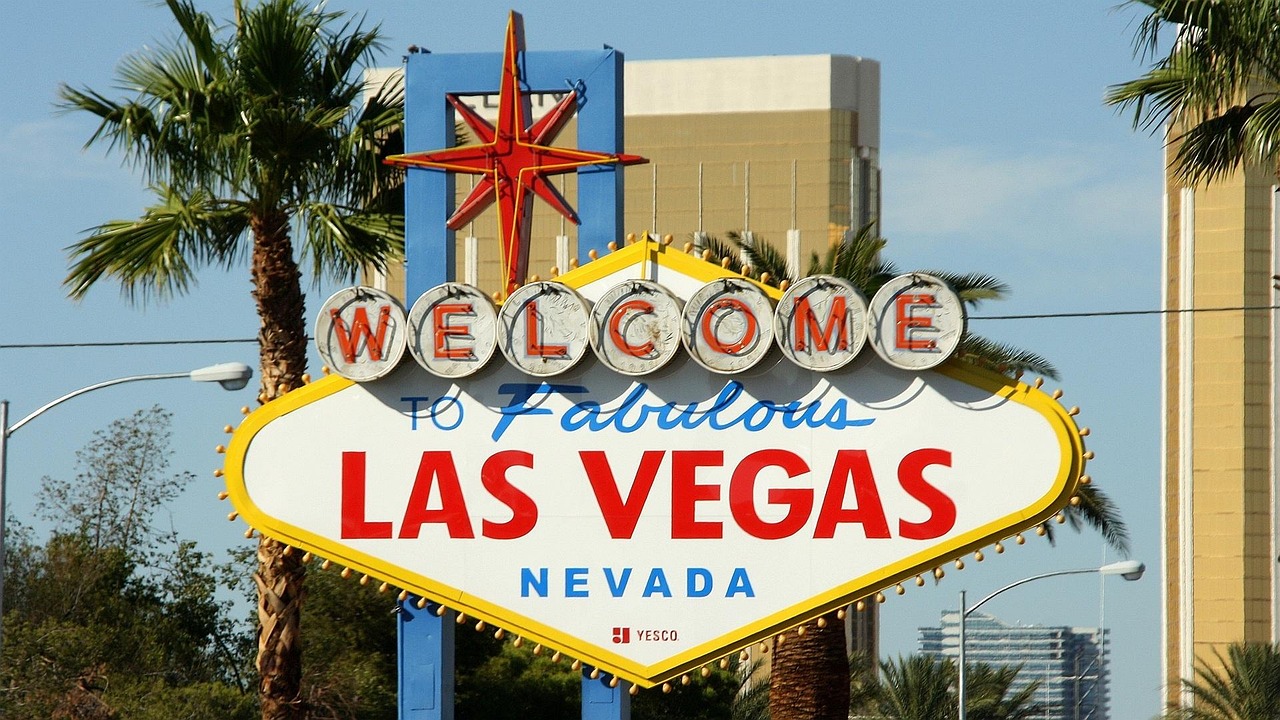
During the grim years of the Great Depression, bingo halls emerged as more than just venues for gambling; they became vibrant community centers, fostering social connections and providing much-needed respite from economic hardship. In a time when despair often permeated neighborhoods, these halls offered a rare beacon of hope and camaraderie. The allure of bingo, with its simple mechanics and exciting atmosphere, drew people from all walks of life, transcending social and economic barriers. This period saw the rise of bingo hall history & culture as a powerful force for community building, a sign of the resilience and resourcefulness of people facing unprecedented challenges.
Bingo halls, with their unique blend of entertainment and social interaction, provided a much-needed escape from the harsh realities of the depression. The gaming floor, alive with the chatter of players and the rhythmic click of daubers, became a communal space where strangers could bond over a shared passion. The game's rapid pace and the thrill of calling out numbers fostered a sense of excitement, lifting spirits and offering a temporary reprieve from the relentless pressures of the era. Top-rated bingo hall software of the time, often featuring Art Deco designs, enhanced the overall experience, attracting players seeking both entertainment and a sense of community.
The social aspect of bingo hall history & culture was further bolstered by the game's unique language and rituals. "Bingo lingo," with its colorful terms like "dauber," "cage," and "jackpot," created a secret language that fostered a sense of camaraderie among players. The ritual of using dauber pens to mark numbers on cards became a shared experience, reinforcing the bonds between strangers turned friends. Even the call numbers, announced with a distinct tone and pace, contributed to the hall's lively atmosphere, encouraging player interaction and engagement. This niche aspect of bingo hall culture-its ability to connect people through shared language and rituals-remains a powerful sign to the power of community even today.
As the country grappled with the dual challenges of the Great Depression and World War II, bingo halls played a crucial role in player retention and community morale. Loyalty programs and promotions, though not as sophisticated as today's, offered incentives for frequent visitors. Simple gestures, such as hosting special events and providing affordable entry fees, ensured that the halls remained vibrant and accessible. The National Association of Bingo Halls, for instance, advocated for fair gaming practices and licensing requirements, ensuring the integrity of these community gathering places. Even during these challenging times, bingo halls remained a sign of the enduring power of human connection and community spirit, as captured in the rich history of Canadian Bingo Heritage Guide.
How Bingo Games Strengthened Community Bonds

In the stark landscape of the Great Depression, bingo halls emerged as more than just gaming establishments; they became crucial community centers, fostering social connections and providing a much-needed respite from economic hardship. Bingo games, with their simple mechanics and engaging atmosphere, served as a powerful catalyst for strengthening community bonds, offering a shared experience that transcended social and economic divides. This phenomenon was not lost on reliable bingo hall management, who recognized the potential of these gatherings to foster a sense of camaraderie and belonging.
The structure of bingo itself encourages interaction and collaboration. Players chat, strategize, and share stories, creating a dynamic social fabric within the hall. This communal spirit was amplified by the top-rated bingo hall software of the era, which facilitated smooth gameplay and ensured fairness. The game's inherent unpredictability, with numbers randomly drawn, fostered a sense of shared fate and excitement, drawing people together in a way that few other activities could. Bingo halls, with their vibrant decor often reflecting the Art Deco style of the times, became vibrant hubs where people from all walks of life could come together, temporarily escaping the hardships of the outside world.
The themes of these bingo games, ranging from traditional religious motifs to popular culture references, offered a sense of escapism and shared identity. Niche bingo hall themes, such as historical events or literary classics, allowed players to immerse themselves in imaginative settings, fostering a sense of community within these themed games. The Canadian Bingo Heritage Guide notes that these gatherings were not just about winning; they were about the social experience, the camaraderie, and the sense of belonging that came from being part of a community. By providing a space for people to connect, share laughter, and even support one another, bingo halls played a vital role in nurturing resilience during one of history's most challenging periods.
Economic Impact: Bingo Halls as Lifelines for the Poor

During the Great Depression, bingo halls emerged as more than just gaming establishments; they became vital community centers, providing economic relief and social cohesion for the poor. In an era marked by unemployment and hardship, these venues offered a much-needed respite, attracting people from all walks of life seeking not only entertainment but also a sense of belonging. The economic impact of bingo halls was profound, serving as lifelines for communities struggling to make ends meet.
Many of the best local bingo halls across the country were established as non-profit organizations, with proceeds directly benefiting local charities and welfare programs. These halls became hubs for community gatherings, where people could connect, share resources, and support one another. Same-day bingo events, often held multiple times a week, attracted regular players who found solace in the camaraderie and friendly competition. The atmosphere was electric, with daubers clicking and call numbers echoing through the room, creating a unique and exhilarating experience. The Canadian Bingo Heritage Guide highlights how these gatherings fostered a sense of community spirit, offering a temporary escape from the harsh realities of the times.
The economic model of bingo halls was designed to be inclusive and accessible. Players could afford low-stakes games, often with small entrance fees or free admission, making it an attractive option for the unemployed or underemployed. The games themselves were structured to encourage participation, with call numbers announced clearly and a rhythm that prompted players to mark their cards swiftly. This fast-paced nature, coupled with the friendly environment, contributed to a high player retention rate, ensuring a steady flow of revenue to support local initiatives. Certified bingo hall decor, reflecting the Art Deco style popular at the time, added to the allure, creating an ambiance that was both glamorous and inviting.
Bingo halls' economic impact extended beyond direct revenue. They facilitated the exchange of information, news, and resources within communities. Many halls became centers for distributing government aid and relief efforts, ensuring that the most vulnerable populations received much-needed support. This network of support was crucial in maintaining the social fabric during a period of immense economic turmoil. By providing a space for social interaction and collective action, bingo halls played a critical role in fostering community resilience and helping people navigate the challenges of the Great Depression.
Cultural Significance: Bingo Hall History & Heritage

Bingo halls, often perceived as simple gaming venues, played a profound role in fostering community during the Great Depression. Beyond providing economic relief through modest winnings, these establishments became cultural hubs where people gathered not just to play but to socialize, share stories, and find respite from the hardships of the era. The bingo hall history & culture is a sign of human resilience and the power of community.
The cultural significance of bingo halls extended far beyond the daubing of numbers and the calling of "Bingo!" They became local gathering places for community events, offering a sense of belonging and camaraderie that was particularly vital during times of economic turmoil. These venues often featured vibrant Art Deco designs, creating an atmosphere that was both captivating and welcoming. The nearest bingo hall to me wasn't just a place; it was a neighborhood asset where people of all ages and backgrounds could connect.
Professional bingo hall decorators played a crucial role in shaping these spaces, turning them into vibrant, engaging environments that encouraged interaction. The decor often incorporated themes that catered to the community's interests, from local history to popular culture of the day. These halls became cultural magnets, drawing people in not just through the promise of winning but through the shared experiences and memories they created.
The bingo hall history & culture is replete with stories of people finding solace, support, and even hope in these spaces. During World War II, bingo halls served as community centers, providing a break from the war's stresses and a place for soldiers' families to gather and share updates. The National Association of Bingo Halls, formed during this period, underscores the critical role these establishments played in keeping communities connected and spirits high in the face of adversity.
Community Resilience: Lessons from Bingo Halls in the 1930s

During the Great Depression, bingo halls emerged as more than just games of chance; they became pillars of resilience and community for millions across the nation. In a time when economic hardship was widespread, these halls offered not only a distraction from despair but also a crucial space for social interaction, mutual support, and even financial stability for their operators. The 1930s saw a surge in bingo hall establishments, each reflecting the unique cultural and architectural trends of their era, from Art Deco glamour to simpler, more functional designs.
At their core, bingo halls served as community centers, providing a safe haven where people from all walks of life could gather, share a meal, and participate in a shared activity. In the absence of robust social safety nets, these halls offered a sense of belonging and purpose, fostering connections that transcended economic divides. The social aspect of bingo was paramount; it encouraged conversation, camaraderie, and a sense of collective effort, as players worked together to achieve the same goal-matching numbers and winning prizes. This communal spirit, evident in the nearest bingo hall to me as much as in the grandest top-rated bingo hall software, was a critical factor in building resilience during a time of national crisis.
Beyond social interaction, bingo halls played a significant role in generating revenue for their operators and, indirectly, for their communities. With strict gaming laws and licensing requirements in place, these establishments needed to be managed responsibly, providing fair games and transparent operations. The success of individual halls varied, but many became economic engines for their neighborhoods, supporting local businesses and contributing to the general well-being of the community. Professional bingo hall decorators played a vital role in creating vibrant, inviting spaces that attracted players and promoted a positive environment. The National Association of Bingo Halls, for instance, advocated for responsible gaming practices and provided a platform for operators to share best practices, ensuring that these establishments remained a positive force in their communities.
The resilience and vibrancy fostered in bingo halls during the 1930s offer valuable lessons for today. They demonstrate the power of community-focused spaces to boost morale, build connections, and even provide economic opportunities. In a contemporary context, top-rated bingo hall software and digital platforms can serve similar purposes, offering virtual spaces that connect people and promote social interaction, while also providing opportunities for player retention and loyalty programs that reward regular patrons. By learning from the history and culture of bingo hall operations, we can create modern spaces that not only entertain but also strengthen the bonds that make communities resilient.
Frequently Asked Questions About How Bingo Halls Fostered Community During the Great Depression
What was the role of bingo halls during the Great Depression? Bingo halls became essential community spaces during the Great Depression, providing a much-needed social outlet for people facing economic hardship. They offered a place for people to gather, interact, and share a sense of camaraderie, helping to alleviate the isolation and despair of the era. Games were often free or low cost, making them accessible to all.
How did bingo halls provide support beyond entertainment? Bingo halls facilitated community support in practical ways. They served as venues for fundraising events that aided local relief efforts, such as food banks and unemployment assistance. These halls often hosted educational and cultural events, offering a distraction from hardship and promoting community resilience.
Were bingo halls popular across all regions affected by the Great Depression? While the Great Depression impacted the entire United States, the popularity of bingo halls varied by region. Urban areas generally had more established bingo communities due to higher population densities, while rural communities adapted by creating their own games and gatherings. However, the common thread was the role these spaces played in building community bonds.
What social groups were particularly drawn to bingo halls? Bingo attracted a diverse cross-section of society, from the unemployed and homeless to middle-class families. It was particularly popular among women, who often organized and ran many of these events, providing a sense of empowerment during a time of significant economic and social upheaval.
Did bingo halls have any long-lasting impact on communities? The positive impact of bingo halls extended beyond the Great Depression. They helped establish a cultural tradition of community gathering and mutual aid. In many cases, these spaces continued to serve communities for decades, hosting events and fostering connections well into the 20th century.
Bingo halls emerged as vital community centers during the Great Depression, offering more than just gaming-they fostered social connection, strengthened bonds, and provided economic relief for the poor. Through their unique blend of entertainment, camaraderie, and cultural significance, bingo hall history & culture became an essential part of the nation's resilience in the 1930s. Today, these hallowed venues can teach us valuable lessons about community resilience, reminding us of the power of shared experiences to overcome challenging times. By understanding and preserving bingo hall history & culture, we can honor the past while inspiring innovative approaches to community building in the present. Moving forward, recognizing the social and economic impact of these institutions could lead to more effective community development strategies, ensuring that such safe spaces thrive in the future.
Bingo Halls During the Great Depression:
Bingo halls emerged as vibrant community centers during the Great Depression, offering social connections and respite from economic hardship. Their simple mechanics and exciting atmosphere drew people from all walks of life, fostering camaraderie. These halls provided a much-needed escape, with top-rated software enhancing the experience. Bingo's unique language and rituals strengthened bonds, creating a powerful sense of community. They played a crucial role in player retention and morale, with loyalty programs and events ensuring their popularity. The Canadian Bingo Heritage Guide highlights their enduring impact as community-building spaces.