
Bingo halls, with their vibrant history and unique cultural significance, have long served as more than just gaming venues for senior citizens. They represent a crucial social hub, offering a space for community engagement, social interaction, and cognitive stimulation for an aging population. However, the role of bingo halls in senior citizen engagement is facing challenges, with declining attendance and evolving demographics. Understanding and leveraging the rich bingo hall history & culture can be a key strategy to revitalizing these spaces, creating meaningful connections, and promoting active aging. This article examines the multifaceted role of bingo halls, exploring how they can be adapted to meet the diverse needs of contemporary senior citizens while preserving their rich heritage.
- Bingo Halls: Hubs of Social Interaction for Seniors
- Historical Evolution: From Lotteries to Modern Bingo
- Cultural Significance: Community Bonding and Tradition
- Engaging Seniors: Games, Activities, and Benefits
- The Future: Adapting Bingo Halls to Changing Needs
Bingo Halls: Hubs of Social Interaction for Seniors

Bingo halls have long been more than just venues for games; they serve as vital community hubs where seniors can connect, socialize, and experience a top-rated bingo hall experience. This tradition traces back to the challenging times of the Great Depression and World War II, when community centers, such as bingo halls, provided much-needed respite and social interaction for people across the nation. Over time, bingo hall history & culture evolved, reflecting the changing social landscape, while retaining its core function as a place for people to gather.
These establishments, often adorned with Art Deco aesthetics, offer not just a place to play but a rich cultural experience. The lingo, call numbers, and even dauber pens have become part of a unique, shared heritage. For seniors, visiting a bingo hall can evoke a sense of nostalgia, transporting them back to their younger years when these venues were bustling with activity. The same-day bingo hall rentals and professional, trusted operators ensure accessibility and quality, making them popular choices for community events and senior gatherings. The Canadian Bingo Heritage Guide underscores the enduring appeal of these spaces, which have adapted to modern times while preserving the essence of their rich history.
Bingo halls facilitate social interaction by creating an inclusive atmosphere where seniors can bond over a shared activity, fostering a sense of belonging. Player retention strategies, such as loyalty programs and points, further encourage regular attendance, making the bingo hall experience a cherished part of many seniors' routines. By understanding and leveraging bingo hall history & culture, operators can enhance the overall experience, ensuring these venues remain integral to the social fabric of communities for years to come.
Historical Evolution: From Lotteries to Modern Bingo
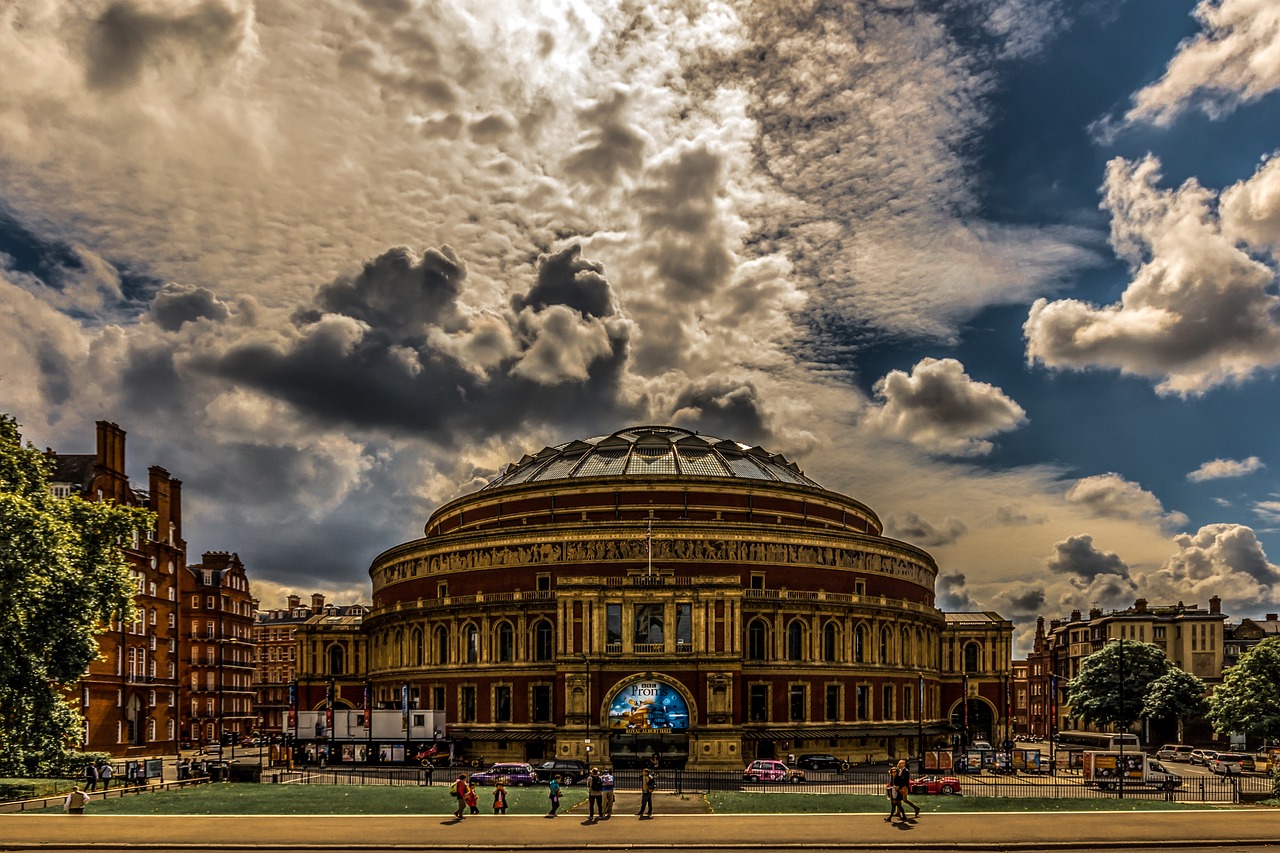
The evolution of bingo halls is a fascinating journey that reflects broader social and economic shifts, especially during tumultuous periods like the Great Depression and World War II. In the early days, lotteries and games of chance were common community-building activities, laying the groundwork for what would become a beloved senior citizen engagement venue. Bingo, as we know it today, emerged as a structured game in the 1930s, finding a natural home in community centers and social clubs. This historical context is essential to understanding the role of bingo halls in fostering connections and providing cognitive stimulation for seniors.
The post-war era saw a boom in bingo hall operations, with many establishments becoming beacons of social interaction and entertainment. The 1950s and 1960s were marked by the rise of top-rated bingo hall software and professional decorators who transformed these spaces into vibrant, engaging environments. The Art Deco aesthetic became a popular choice, reflecting the era's sophistication and elegance. This period also witnessed the emergence of certified bingo hall trainers, ensuring that staff were equipped to handle large crowds and deliver a high-quality gaming experience. The National Association of Bingo Halls was established, setting standards and promoting the business, and contributing to the development of a thriving culture around the game.
Over time, bingo halls have adapted to changing demographics and preferences while retaining their core appeal. Today, they offer more than just games; they serve as community hubs, providing seniors with opportunities for social interaction, cognitive exercise, and entertainment. The modern bingo hall experience incorporates advanced technology, with digital displays and interactive features enhancing the traditional game. This evolution ensures that bingo halls remain relevant and engaging, attracting new generations of players while continuing to serve as a vital part of senior citizen engagement in communities across the country.
Cultural Significance: Community Bonding and Tradition

The role of bingo halls in senior citizen engagement goes far beyond games and prizes. Deeply rooted in the fabric of community life, bingo halls represent a unique space where seniors gather not just to play but to foster connections, share stories, and preserve cultural traditions. Bingo hall history & culture serves as a powerful glue, binding generations together and offering a window into the social landscape of past decades.
During the Great Depression and World War II, bingo halls emerged as vital community centers, providing both entertainment and economic stability. They became safe havens where people from all walks of life could come together, offering a temporary escape from the hardships of the times. Today, these institutions continue to thrive, serving as a sign of their enduring appeal and relevance. Professional and trusted bingo hall operators understand the cultural significance of these venues, ensuring that they remain hubs for social interaction and intergenerational bonding.
Consider the art deco architecture and vibrant decor that adorn many bingo halls-they are not just aesthetic choices but deliberate efforts to create an inviting atmosphere. The use of dauber pens, call numbers, and even the language of "bingo lingo" contributes to a shared experience that transcends age and technological divides. Trusted bingo hall security ensures that these spaces remain safe and welcoming, allowing seniors to fully immerse themselves in the camaraderie and fun.
Cost-effective bingo hall marketing plays a crucial role in maintaining these cultural hubs. Operators employ loyalty programs and promotional events to encourage player retention, ensuring that the doors of these community centers remain open. Offering loyalty points for frequent visits not only incentivizes regular attendance but also fosters a sense of belonging among the senior citizens. By prioritizing both the social and economic aspects of their operations, professional bingo hall operators can preserve and enhance the cultural significance of these venues, enriching the lives of countless seniors.
Engaging Seniors: Games, Activities, and Benefits

Bingo halls, deeply rooted in Canadian bingo heritage guide, have evolved from community spaces during tumultuous periods in history to vibrant hubs of social engagement for seniors. Beyond the traditional game of chance, these venues offer a unique blend of activities and benefits tailored to meet the needs and interests of this demographic.
Engaging seniors requires more than just games, necessitating an environment that fosters social interaction, cognitive stimulation, and a sense of belonging. Bingo halls excel in this area thanks to their inherent social nature. Games are not just played but celebrated, fostering camaraderie among players. Certified bingo hall decor, with its often colorful and nostalgic themes, adds to the lighthearted atmosphere. Trusted bingo hall security ensures comfort and peace of mind, allowing seniors to focus on enjoying themselves without worry.
To regular games, bingo halls host a variety of engaging activities. These might include card clubs, arts and crafts workshops, and even emergency bingo hall services tailored for seniors with specific needs. A bingo hall could partner with local healthcare providers to offer wellness seminars or chair yoga classes for older adults. Loyalty programs, rewarding frequent visitors with points or prizes, further encourage participation and build a sense of community. These initiatives not only provide mental and social stimulation but also offer a critical support network for isolated individuals, contributing to improved quality of life for seniors.
The Future: Adapting Bingo Halls to Changing Needs
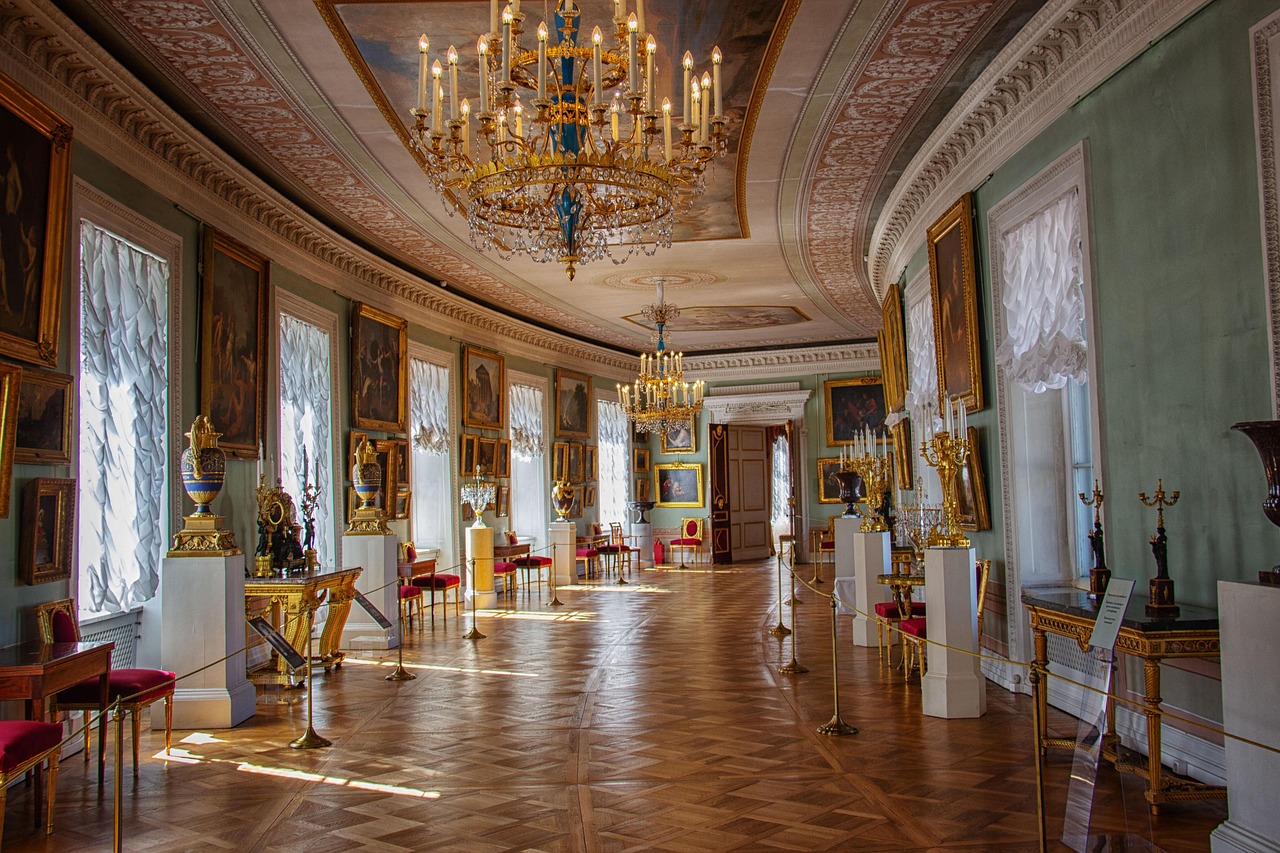
As senior citizens' needs and preferences evolve, the future of bingo halls lies in their adaptability to changing demographics and lifestyles. Bingo hall history & culture, deeply rooted in community engagement, can guide this evolution. Today's licensed bingo hall near me and nearest bingo hall to me must cater to a diverse and increasingly health-conscious senior population. This shift requires a strategic approach that balances tradition with innovation.
One promising direction is the integration of same-day bingo events 1-3 times weekly, offering regular social interaction and mental stimulation. Introducing themed nights, such as "Memory Monday" or "Health & Fitness Bingo," can attract seniors with specific interests or health goals. These events can incorporate elements from Bingo Hall History & Culture, like Art Deco decor, to create a nostalgic and engaging atmosphere. Technology can play a significant role; digital platforms can connect same-day events, allowing seniors who cannot attend in person to participate remotely, enhancing player retention.
Bingo halls can also foster community partnerships to provide additional services tailored to seniors' needs. Collaborating with local healthcare providers, for example, can facilitate on-site health workshops or screenings, promoting senior citizen engagement while addressing their health concerns. By embracing these adaptations, bingo halls can secure their relevance and become vital hubs for senior citizen interaction and well-being, ensuring their enduring legacy in community life.
Frequently Asked Questions About The Role of Bingo Halls in Senior Citizen Engagement
What is the history of bingo halls and their significance for senior citizens? Bingo halls have a rich history, tracing back to early 15th-century Italy with a game called Lo Giuoco del Lotto D'Italia. It evolved into various forms across Europe before reaching the United States in the 19th century. Today, bingo halls are a beloved social gathering place for seniors, offering a unique blend of entertainment, community, and financial incentives. They provide a platform for seniors to connect, engage in friendly competition, and enjoy a sense of camaraderie.
How do bingo halls contribute to senior citizen engagement? Bingo halls foster social interaction, combat loneliness, and provide mental stimulation for seniors. Regular attendance can lead to the formation of strong social bonds and a sense of belonging. Bingo is an easy-to-learn game, accessible to all ages and cognitive levels, making it an inclusive activity that encourages participation.
Are there any health benefits associated with participating in bingo hall activities? Regular social engagement, like that found in bingo halls, has been linked to improved mental health and cognitive function in seniors. Physical activity, often incorporated into bingo breaks, further contributes to the health benefits, promoting cardiovascular health and flexibility.
Do bingo halls offer any financial advantages for senior citizens? Many bingo halls offer discounted rates or special promotions for seniors, providing them with affordable entertainment options. Winning at bingo can also bring in additional financial gains, with some halls offering substantial prizes. These financial incentives, coupled with the social aspect, make bingo halls an appealing and rewarding destination for seniors on fixed incomes.
Can bingo halls cater to specific needs of senior citizens? Absolutely. Many bingo halls are designed with senior accessibility and comfort in mind, featuring wheelchair access, larger seating areas, and clear sightlines. Some halls also offer senior-specific events, themed games, and educational workshops, catering to diverse interests and abilities. This personalized approach ensures that senior citizens feel welcomed, valued, and included.
What role do bingo halls play in community building for senior citizens? Bingo halls serve as vibrant hubs for community building among seniors. They provide a regular meeting place where people can socialize, share experiences, and build friendships. These social connections are vital for mental health and well-being, combating feelings of isolation and promoting active aging. Bingo halls often become second homes for many seniors, fostering a strong sense of community.
Bingo halls, with their rich history and culture, have evolved into more than just venues for games; they serve as vital community hubs that foster social interaction, cultural traditions, and cognitive engagement for seniors. From their roots in ancient lotteries to their modern incarnation, bingo halls have played a significant role in providing seniors with opportunities to connect, compete, and thrive.
The article has explored how bingo hall history & culture offers a unique blend of nostalgia and entertainment, with activities like dauber pens and bingo lingo creating a sense of community and shared experience. These spaces not only provide a platform for social activities but also have a positive impact on cognitive health, as the focus and attention required during games stimulate the brain.
Looking ahead, the future of bingo halls lies in their adaptability. By incorporating modern technology, diverse game formats, and tailored activities, these halls can continue to engage seniors while appealing to new generations. Implementing loyalty programs, targeted promotions, and community partnerships can further enhance their appeal and ensure their longevity.
Bingo halls represent a unique cultural and social phenomenon, offering a space where seniors can gather, connect, and enjoy meaningful activities. By understanding and preserving their history and culture, we can leverage these spaces to foster intergenerational connections and improve the overall well-being of our aging population.
Bingo halls, rooted in history and culture, serve as vital community hubs for seniors, offering social interaction, cognitive stimulation, and entertainment. Their evolution from Great Depression-era community centers to modern venues reflects broader social shifts, with decor, language, and technology adapting to meet changing needs. Bingo hall history & culture plays a crucial role in fostering intergenerational connections and providing a sense of belonging. To stay relevant, operators must embrace adaptability, incorporating regular events, technology, and community partnerships, ensuring bingo halls continue to thrive as essential senior citizen engagement spaces.