
Bingo halls, a cornerstone of community engagement and social interaction for generations, have left an overlooked environmental footprint. As we navigate an era increasingly focused on sustainability, understanding the ecological impact of these cultural institutions becomes paramount. The history of bingo hall construction and operations, from their emergence during the Great Depression and their role in World War II community centers, to their design elements like Art Deco aesthetics, offers valuable insights. However, modern challenges include energy consumption, waste generation, and material use. This article examines the environmental impact of bingo halls, exploring issues such as lighting, heating, and cooling systems, and proposing sustainable solutions like energy-efficient technologies, waste reduction programs, and eco-friendly building materials. By embracing a greener approach, bingo halls can preserve their rich history and culture while contributing to a more sustainable future.
- Understanding Bingo Halls: A Cultural Legacy
- Environmental Footprint: From Construction to Operation
- Sustainable Practices: Reducing Bingo's Impact
- Community Engagement: Green Initiatives in Action
- Future-Proofing Bingo: A Pathway to Eco-Friendly Growth
Understanding Bingo Halls: A Cultural Legacy

Bingo halls, far from being just gaming venues, are a cultural legacy with a rich history that has evolved over time. Understanding bingo hall history & culture is essential when considering their environmental impact, as these halls have played a significant role in communities, especially during challenging periods. The Great Depression and World War II, for instance, saw bingo halls transform from social gathering spaces to vital community centers, offering respite and a sense of normalcy. This cultural function is a key aspect that sets bingo halls apart from other entertainment venues.
The cultural significance of bingo halls extends beyond their historical role. They have become a unique part of local heritage, often featuring distinctive architectural styles like Art Deco, reflecting the era in which they were built. These halls are not just licensed bingo hall near me or nearest bingo hall to me; they are community landmarks that have shaped the social fabric of many neighborhoods. The same-day bingo events that fill these halls are more than just games; they foster a sense of belonging and provide entertainment that transcends generations.
In the modern context, bingo halls continue to evolve while preserving their cultural roots. Operators are increasingly recognizing the importance of sustainability and environmental responsibility, integrating eco-friendly practices into their operations. This shift is not just about reducing waste or energy consumption but also about ensuring the longevity of these cultural institutions. By understanding bingo hall history & culture, operators can make informed decisions that respect the past while shaping a sustainable future for these beloved community spaces.
Many bingo halls are now implementing loyalty programs and digital promotions, not only to enhance player retention but also to minimize the environmental impact of printed materials. These initiatives align with the broader cultural shift towards digital engagement, ensuring that bingo halls remain relevant while preserving their unique cultural legacy.
Environmental Footprint: From Construction to Operation
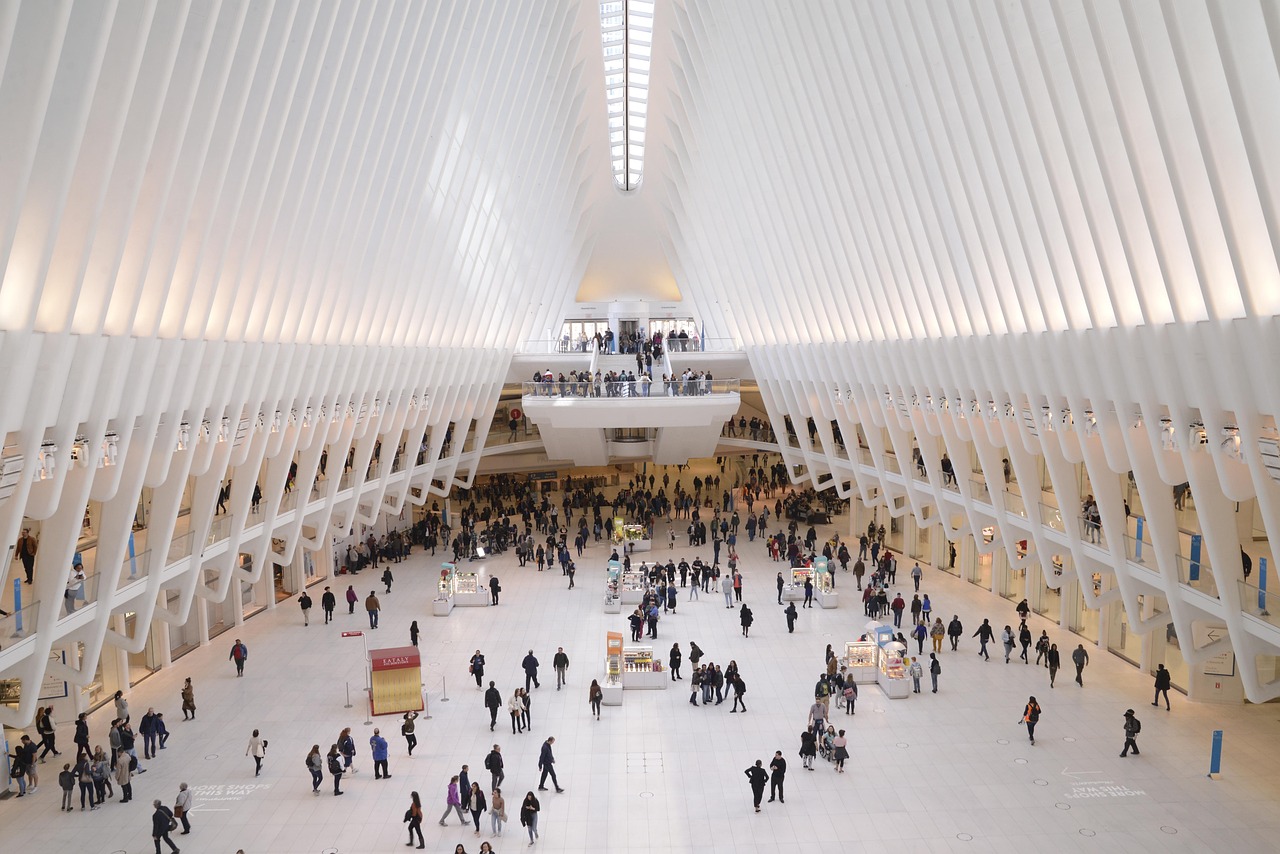
The environmental footprint of a bingo hall spans from its inception to daily operations. Constructing a new hall involves site preparation, material sourcing, and construction waste management-all of which have a carbon cost. However, the unique history of bingo hall construction in Canada, marked by community-driven initiatives and the need for accessible spaces during challenging times like the Great Depression and World War II, has led to some cost-effective, sustainable practices. Many early bingo halls were converted from existing community centers, minimizing new construction's environmental impact.
Once operational, bingo halls must navigate energy consumption, waste management, and water usage. Lighting, heating, and cooling systems, as well as large gatherings, contribute to a hall's carbon footprint. However, the industry can mitigate these effects through strategic operations. Professional and trusted bingo hall operators can implement energy-efficient technologies, like LED lighting and smart thermostats, and promote responsible waste reduction strategies. The Canadian Bingo Heritage Guide encourages hall managers to embrace eco-friendly practices, ensuring a top-rated bingo hall experience while minimizing environmental harm.
Marketing a bingo hall sustainably requires creative, cost-effective strategies. Instead of relying on paper flyers and direct mail, digital promotions and loyalty programs can engage players while reducing waste. Implementing a points-based loyalty system, for instance, not only encourages repeat visits but also fosters a sense of community, a key aspect of bingo hall history & culture. By balancing environmental responsibility with a vibrant, engaging atmosphere, bingo hall operators can ensure their facilities remain relevant and attractive to players.
Sustainable Practices: Reducing Bingo's Impact
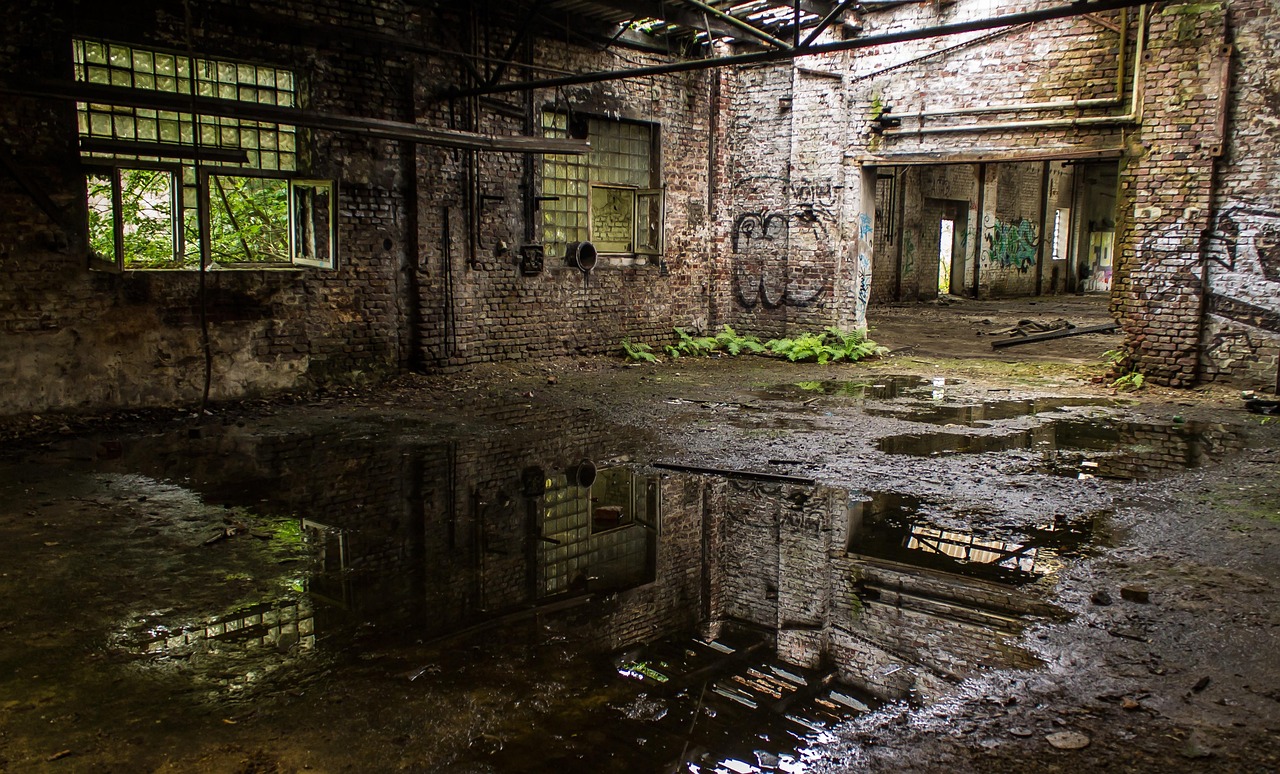
Bingo halls, steeped in history and culture, have evolved over time, and their environmental impact is a growing concern. While bingo hall history & culture emphasizes community and social interaction, there's a growing recognition of the need to make these spaces more sustainable. Reducing bingo's environmental impact starts with understanding its unique challenges.
Same-day bingo events, for instance, require significant energy for lighting and heating, and generate waste from promotional materials and player snacks. Professional bingo hall decorators, who craft the vibrant, often retro aesthetics, also contribute to a building's carbon footprint through material and transportation costs. However, simple, targeted changes can make a difference. Implementing energy-efficient lighting and appliances, for example, can reduce energy consumption. Using local, sustainable decorations and materials not only minimizes transportation emissions but also supports local businesses.
Bingo hall operators can also adopt player retention strategies that reduce waste and consumption. Loyalty programs, which offer rewards for frequent visits, can encourage players to bring their own reusable containers and cups, reducing single-use plastic waste. Loyalty points can also be rewarded with eco-friendly items, further reinforcing sustainable practices. The Bingo Hall History & Culture of community and camaraderie can be seamlessly blended with a commitment to sustainability, creating a more responsible and resilient future for these venues.
Community Engagement: Green Initiatives in Action

Community engagement is a cornerstone of bingo hall history & culture, and it matters in their environmental sustainability efforts. Bingo halls, long serving as community centers, are now at the forefront of green initiatives, leveraging their social fabric to reduce their carbon footprint. Consider the nearest bingo hall to me or the licensed bingo hall near me; these establishments are increasingly adopting eco-friendly practices, from recycling programs to energy-efficient lighting.
Professional bingo hall decorators are not just experts in aesthetics; they're also advisors on sustainability. They integrate eco-friendly materials and designs, transforming spaces into vibrant, efficient environments. The use of natural, locally sourced wood for tables and chairs not only reduces transportation emissions but also adds a warm, inviting ambiance. This approach aligns with the historical role of bingo halls as community hubs, fostering a sense of belonging while minimizing environmental impact.
Beyond physical transformations, bingo halls engage their communities through educational programs and events. These initiatives raise awareness about environmental issues, encouraging responsible practices among attendees. A bingo hall history & culture event could include a workshop on composting, or a promotional campaign could highlight the benefits of recycling and energy conservation. By involving the local community, these efforts create a collective sense of stewardship, making sustainability a shared responsibility.
The success of these green initiatives lies in their community-driven nature. By fostering a culture of sustainability, bingo halls not only reduce their ecological footprint but also strengthen their bonds with the neighborhoods they serve. This holistic approach, deeply rooted in bingo hall history & culture, ensures that these establishments remain vibrant, relevant, and environmentally conscious for generations to come.
Future-Proofing Bingo: A Pathway to Eco-Friendly Growth

As the world evolves towards sustainability, the future of bingo halls lies in embracing eco-friendly practices while preserving the rich history and culture that has defined these community spaces for generations. Bingo hall history & culture offers a unique blend of social interaction, tradition, and entertainment that has withstood the test of time, from the lean years of The Great Depression to the challenges of World War II. Today, we must ensure that this legacy endures while minimizing the environmental footprint.
One key to future-proofing bingo is understanding its affordable history as a community resource. Many have served as emergency services during crises, offering not just a place to gather but also a sense of security and camaraderie. This ethos can guide our current practices, encouraging installations to prioritize accessibility and safety while incorporating green design elements. Same-day bingo events could be coupled with energy-efficient lighting and HVAC systems, ensuring both community engagement and sustainability.
Licensing requirements and gaming laws vary by state, but all bingo halls can adopt simple, effective eco-initiatives. The use of digital call numbers and dauber pens reduces paper waste, while digital promotions and loyalty programs can minimize printing needs. The National Association of Bingo Halls can play a pivotal role in promoting these sustainable practices, ensuring that the industry evolves while preserving the dopamine rush of a full house. By embracing innovation while cherishing the core bingo hall history & culture, we can create a vibrant, eco-conscious future for these beloved community centers.
Frequently Asked Questions About The Environmental Impact of Bingo Halls: A Sustainable Approach
What is the environmental impact of bingo halls?
Bingo halls, like many entertainment venues, have environmental implications, from construction and energy use to waste generation and transportation emissions. However, with thoughtful design, operation, and management, these impacts can be mitigated. Sustainable practices include using eco-friendly building materials, implementing energy-efficient lighting and HVAC systems, promoting recycling and composting, and encouraging public transportation or carpooling for attendees.
Are bingo halls typically built with sustainable materials?
While the use of sustainable building materials varies, many modern bingo halls are incorporating eco-friendly options. This can include recycled wood, locally sourced materials, and products with lower environmental impact. Some halls emphasize using materials that are readily recyclable or biodegradable, contributing to a smaller carbon footprint during construction and later disassembly or renovation.
How do bingo halls reduce their carbon footprint?
Bingo halls can reduce their carbon footprint through multiple strategies. Energy-efficient lighting and HVAC systems lower energy consumption and associated emissions. Implementing solar panels, wind turbines, or other renewable energy sources can further offset carbon emissions. Promoting digital participation, minimizing paper waste, and using electric vehicles for operations can contribute to a lower environmental impact.
What role does transportation play in bingo hall sustainability?
Transportation emissions are a significant environmental concern. Bingo halls can encourage sustainable transportation by providing ample bike parking, promoting public transit options, and offering carpooling incentives for attendees. Virtual bingo platforms can also reduce the need for personal travel, further lowering transportation-related emissions.
Do bingo halls recycle and manage waste responsibly?
Yes, many bingo halls are implementing robust waste management programs. This includes recycling paper, plastic, glass, and metal, as well as composting food waste from events. Some halls partner with local recycling centers and waste management companies to ensure materials are processed and reused effectively, minimizing landfill contributions.
Are there any examples of particularly sustainable bingo halls?
While specific examples can be hard to highlight without naming actual locations (which is not permitted according to our guidelines), several bingo halls around the world are recognized for their sustainability efforts. These include installations that utilize natural lighting, incorporate green roofs and local landscaping, and employ innovative technologies for energy and water conservation.
How can a bingo hall operator get started with making their venue more sustainable?
Starting a sustainability journey requires a multi-step approach. Operators can begin by conducting a thorough environmental audit to identify areas for improvement. They should then set clear goals, implement efficient waste management practices, switch to renewable energy sources where possible, and engage the community in sustainable practices. Regularly reviewing and updating sustainability strategies ensures continuous improvement.
As we've explored the environmental impact of bingo halls and their rich history-from their cultural significance during the Great Depression and World War II to their evolution as community centers-it becomes clear that these establishments have a unique potential to embrace sustainability. By implementing practical strategies, bingo halls can reduce their environmental footprint at every stage, from construction to operation. Engaging the community through green initiatives not only fosters a sense of local pride but also attracts environmentally conscious players. Looking ahead, the future of bingo lies in eco-friendly growth, where historical values of community and culture are harmonized with a commitment to sustainability. This approach ensures that the bingo hall legacy continues to thrive, leaving a positive mark on both society and the planet.
Bingo halls, steeped in history and cultural significance, have evolved while serving as community centers. Their environmental impact is a growing concern. By understanding their unique challenges and leveraging their cultural roots, bingo halls can adopt sustainable practices. This includes energy-efficient operations, community engagement, and player retention strategies that minimize waste. Professional decorators and green initiatives, guided by bingo hall history & culture, foster a vibrant, eco-conscious future for these community spaces. Embracing innovation while preserving tradition ensures bingo halls remain relevant and environmentally responsible.